
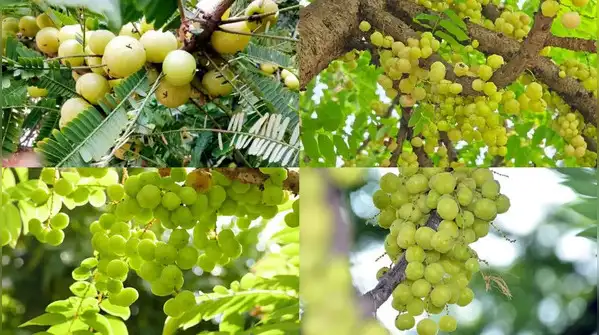
Amla is one of those trees many Indian households grow up with, whether it stood in a grandparent’s courtyard or just appeared in jars of pickle and bowls of murabba. It’s also tougher than it looks. The tree copes with heat, doesn’t need much fussing, and can fruit well even in a large pot on a sunny terrace. The main thing to know is that it’s a patient crop, so a little planning at the start saves years of waiting. Here’s a simple five-step guide for beginners.
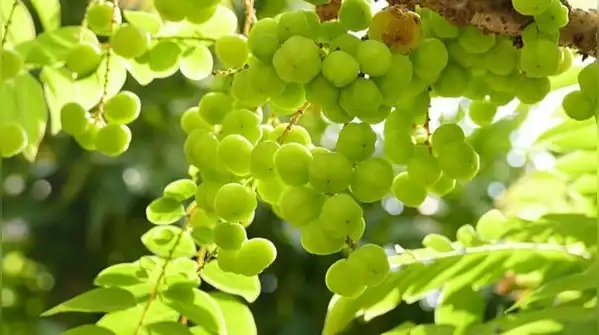
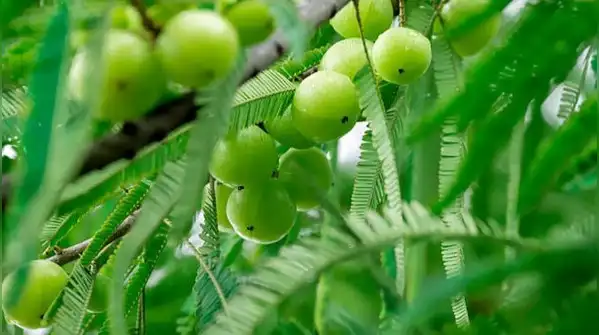
Young amla trees need regular watering, roughly every two to three days in hot weather, letting the top inch or two of soil dry between waterings. Once established, the tree is fairly drought-tolerant and needs far less, and overwatering is a bigger risk than underwatering. Feed it with compost or organic manure every two to three months, and mulch the soil surface with dry leaves to hold moisture. Prune dead or crossing branches in the dry season to keep the shape tidy and the size manageable.
Be patient, then harvest at the right time
A mix of garden soil, compost or well-rotted cow dung manure, and a bit of sand or cocopeat gives amla the loose, well-draining soil it likes. It tolerates a wide range of soils, but doesn’t enjoy heavy, soggy clay. Remove the sapling gently from its bag without disturbing the roots, set it at the same depth it was growing, and fill in around it. Press the soil lightly and water thoroughly. Keep it out of harsh afternoon sun for the first week or two. Amla flowers in spring, and the fruits usually ripen in winter, roughly from October to February in much of India. Pick them when they’re firm and turn a light greenish-yellow, twisting them gently off the branch or snipping them with scissors. Watch for pests like aphids or bark-eating caterpillars, and treat them early with neem oil spray. Don’t be discouraged if the first year brings only a handful of fruits, since the harvest generally improves as the tree matures.