
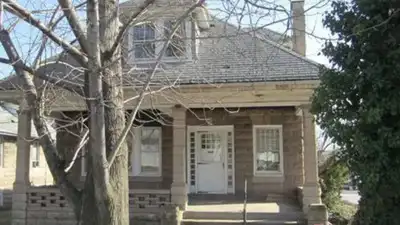
Luo denied receiving formal notice of the unpaid taxes or the impending sale of the Chester property. (Photo: Realtor listing)
A Pennsylvania man who owned a house in Chester for 10 years has won an appeal after his property was sold for $28,000 at a tax sale linked to unpaid property taxes. The Commonwealth Court of Pennsylvania ruled on October 13, 2026, that the Delaware County Tax Claim Bureau had failed to make the additional efforts required by law to notify the owner before selling his property. The property, located at 113 West 23rd Street in Chester, belonged to Gang Luo. It was put up for sale on September 22, 2022, to recover unpaid City of Chester real estate taxes for 2020, as per the official court document. The upset sale price was $5,741, while the successful bidder, Gerardo Ponce, purchased the property for $28,000. However, the Delaware County Court of Common Pleas rejected his petition in December 2023, finding that the tax bureau had followed the required procedures.
An upset price includes outstanding taxes, tax liens, municipal claims and statutory costs associated with a property. Luo challenged the sale, arguing that he had not received proper notice and that the authorities had failed to locate him after an important notice was returned unclaimed. Luo subsequently appealed the decision. After examining the evidence, a three-judge panel of the Commonwealth Court concluded that the bureau had not met its legal obligations.
Luo had owned the single-family house for approximately 10 years and rented it to a tenant, according to court records.
He told the trial court that he visited the property about once a month to carry out maintenance and check its condition.
Because he had previously contacted the office about another property he owned, at the October 2023 hearing, the bureau’s Upset Sales Coordinator, Janine Heinlein, explained that officials believed they had Luo’s correct mailing address.
The court reversed the earlier ruling and sent the case back to the lower court with instructions to set aside the tax sale.