
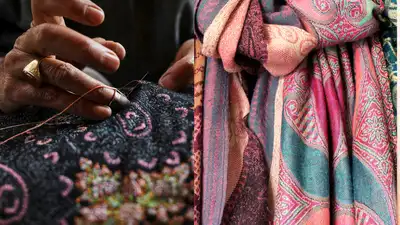
Image source- Canva
A simple, single-coloured shawl may cost approximately ₹20,000, and prices can go up to lakhs depending on the type of work involved. Today, the modern textile industry can produce 100% viscose or polyester shawls that are thin and slippery enough to pass through a ring effortlessly. 1. 2.
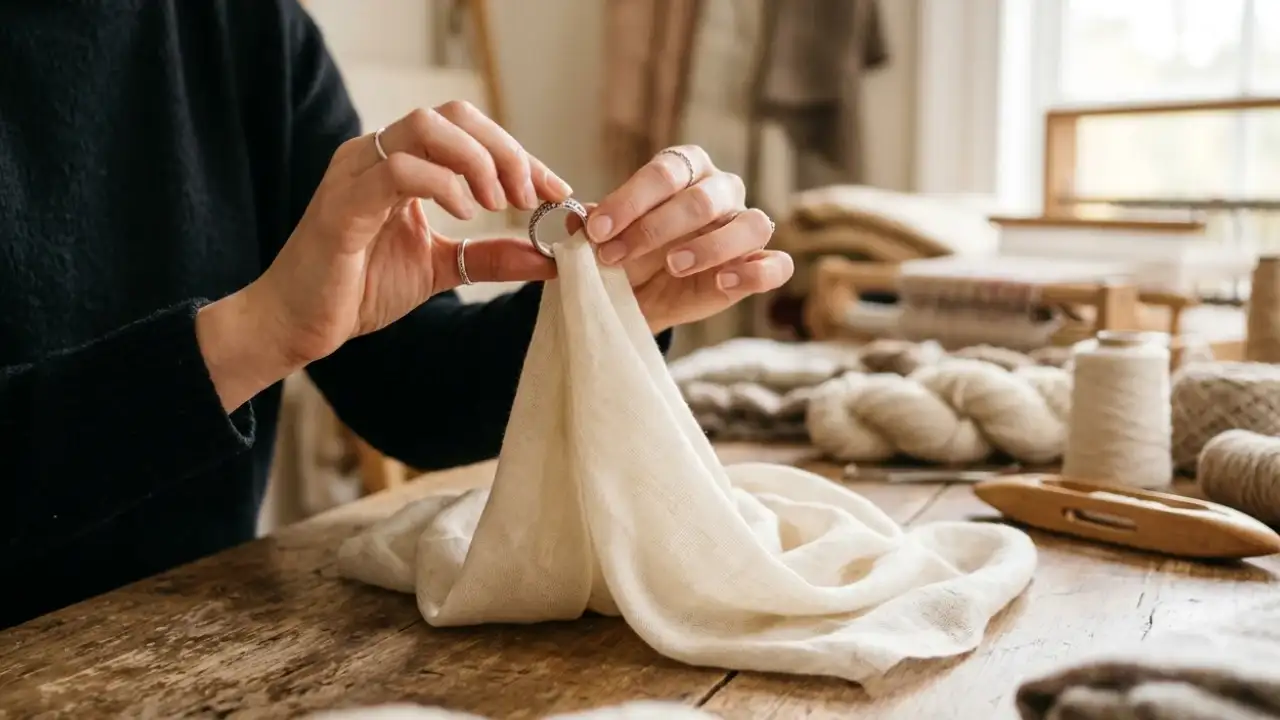
Due to a lack of awareness, myths about testing the authenticity of Pashmina continue to circulate, the most famous being the ring test. The government GI tag The government has introduced a GI-based certification system for authentic Kashmir Pashmina products. Nowadays, the markets are filled with sellers claiming to sell real and authentic Kashmiri Pashmina, and countless people believe them and buy from them, thinking they have got a good deal. The fabric, once considered rare and a symbol of exclusivity and luxury, is now sold at almost every market corner. Well, not exactly. Most of these shawls are just imitations made from polyester and viscose or are heavily blended. It is the seller’s confidence and the art of convincing that does the job. Pashmina is not just another fibre; it is an integral piece of Himalayan heritage, known for its silky texture and fine fibres. Authenticity matters deeply. A real Pashmina shawl is handwoven from the fine undercoat of the Changthangi goat, native to the high-altitude regions of Ladakh. It offers exceptional warmth, weighs next to nothing and can last for generations with proper care. A synthetic fake, however, may make you sweat, lose its shape and degrade quickly. Most people have never seen a genuine Pashmina. Here, we will debunk common misconceptions about Pashmina and explore how to tell whether your shawl is genuine. Pashmina ring test (AI generated) For generations, there has been a misconception that if a fabric passes through a ring, it must be genuine Pashmina. Well, that only shows that the fabric is thin enough; it has nothing to do with its authenticity. Certain types of workmanship, weaving techniques or embroidery can prevent a genuine, high-quality Pashmina shawl from passing through a ring. Does that invalidate its quality? In fact, a machine-made polyester shawl may pass through it more smoothly than an authentic handwoven shawl. This is one of the most common misconceptions among buyers and can lead them to purchase faux Pashmina instead of the real thing. Another popular method used to verify Pashmina involves burning a fibre. Even many people who sell genuine Pashmina consider it a reliable indicator. Since Pashmina is made from animal hair, it reacts to fire in a way similar to human hair. Burning it produces a smell similar to that of burning hair and leaves behind powdery ash that crumbles when touched. If it smells like burning paper or leaves, however, the fibre may be rayon or cotton. If it melts instead of turning to ash, it may be polyester. This indicator still does not confirm whether the shawl is genuine Pashmina. It can offer clues about the type of fibre, but other animal hairs, including sheep’s wool and camel wool, can produce similar results. Hence, the method cannot be considered a conclusive test of authenticity. There are two important ways to verify Pashmina authenticity. Independent laboratory testing An independent textile testing laboratory can analyse fibre samples using microscopy to examine their characteristics and measure fibre diameter in microns. Appropriate tests can also identify fibre types and quantify the proportion of different fibres in a blended product. The resulting report can help establish what the fabric is made of and how fine its fibres are. Certified products can carry identification labels with QR codes that allow buyers to verify their details. The certification process involves testing against defined parameters, and buyers may also be able to access certification documents. These certificates are more than just pieces of paper; they provide information about the product’s tested characteristics and certification status.
What to take care of while buying Pashmina
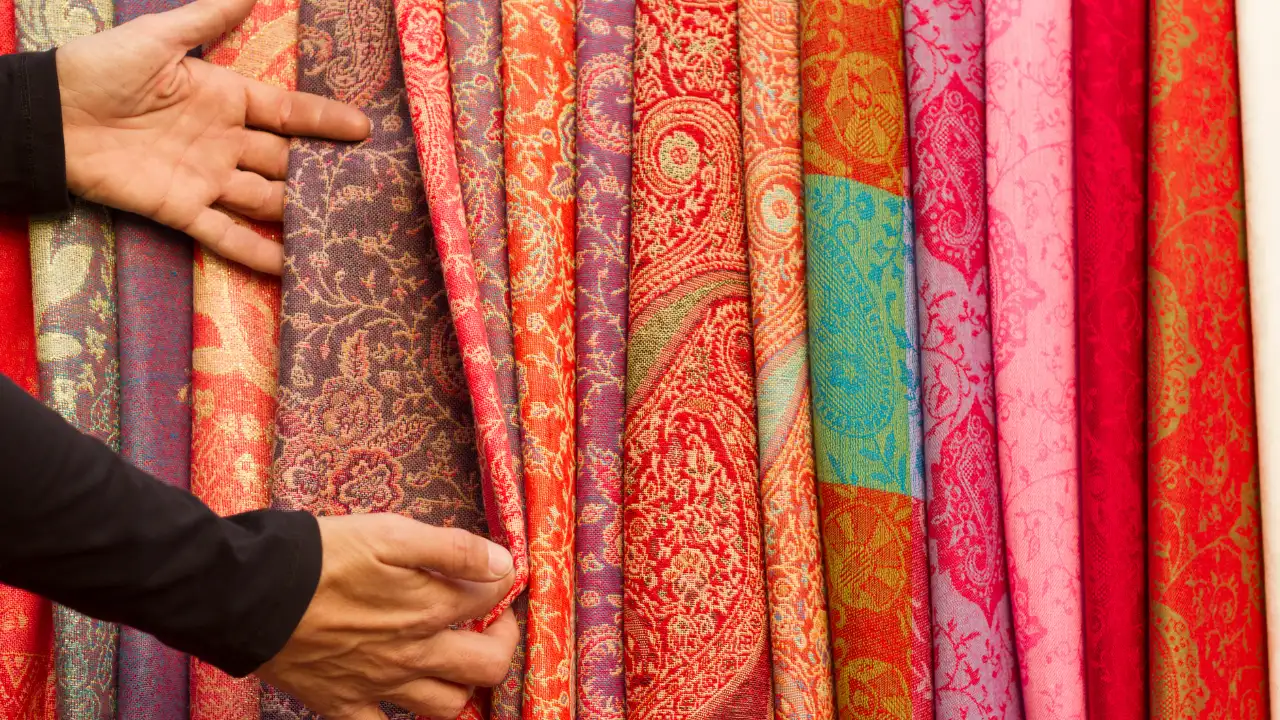
Image source: Canva If you are planning to buy a Pashmina shawl, there are a few things you should consider beforehand.
- Because of its fine fibres and labour-intensive production, look at the price As mentioned earlier, genuine Pashmina can be expensive. Prices can start at tens of thousands of rupees and go up to lakhs, depending on the workmanship involved. If a deal sounds too good to be true, your gut feeling might be right.
- Check its provenance Pashmina fibre comes from the high-altitude regions of Ladakh, while Kashmir has a long tradition of weaving these shawls. Many families have practised this craft for generations, making Pashmina an important part of their heritage. If the seller cannot provide credible information about the shawl’s origin or craftsmanship, you may want to reconsider the purchase.
- Watch out for labels such as ‘Pashmina blend’ or ‘Pashmina feel’ These terms can be misleading if buyers assume they guarantee genuine Pashmina. A Pashmina blend may contain cashmere, silk or other fibres in varying proportions, so check the composition rather than relying on the label alone. ‘Pashmina feel’ may simply describe the texture of a product and does not establish that it contains genuine Pashmina fibres. Buying Pashmina can be a significant investment, so you might not want to rush the decision. A genuine shawl can become a piece of heritage, passed down through generations You use AI every day. Now get your AI Quotient. Take the AIQ test Get the latest Lifestyle News and more. Download the TOI app.