
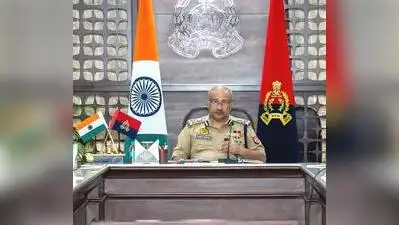
DGP Rajeev Krishna
Lucknow: With the start of festive season, DGP Rajeev Krishna on Thursday issued a statewide directive to police units to adopt a “zero-tolerance” approach towards crime, strengthen beat policing, crack down on repeat offenders and ensure zero fatalities during immersion processions and other festival-related events. Chairing a virtual crime and law-and-order review meeting from police headquarters, the DGP told officers that zero tolerance must be a policing mindset rather than merely a govt policy. To curb property crimes such as burglaries, thefts and chain-snatching, officers were told to increase patrolling and police visibility in markets, residential colonies and vulnerable areas.
He instructed field formations across the state to respond swiftly to every crime, identify lapses that allowed offences to occur and take strong preventive measures to stop repeat incidents. The meeting, attended by senior officers from all zones, commissionerates and districts, focused on crime prevention, pending investigations, festival security, traffic management, public grievance redressal, missing children and technology-driven policing initiatives. Krishna directed police stations to intensify intelligence gathering and strengthen beat policing. Circle Officers were asked to regularly monitor information collected by beat personnel and target local crime hotspots, particularly the illegal manufacture and sale of narcotic substances. Police Response Vehicles (PRVs), motorcycle patrols and technological surveillance resources are to be deployed strategically based on local crime patterns. Krishna ordered district police chiefs to make elaborate security and crowd-management arrangements, with a special focus on preventing accidents during idol immersions and bathing events. He directed officers to ensure proper barricading, warning signage, safe immersion zones and round-the-clock monitoring at vulnerable locations.
Senior officers were further directed to personally monitor investigations pending beyond 60 and 90 days, especially blind murder, robbery and chain-snatching cases. Districts with large numbers of unsolved crimes have been asked to prepare special action plans using forensic and technical evidence.