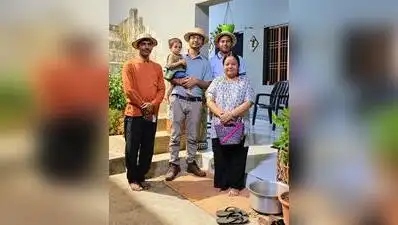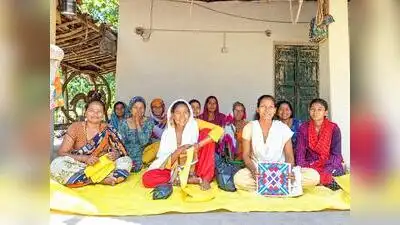
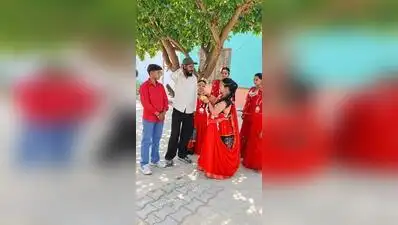
A group of traditionally dressed tharu women welcoming tourists at a home stay
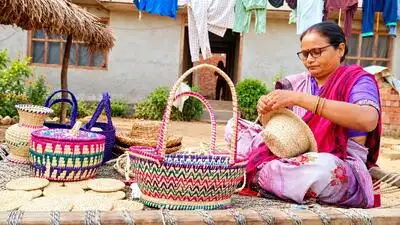
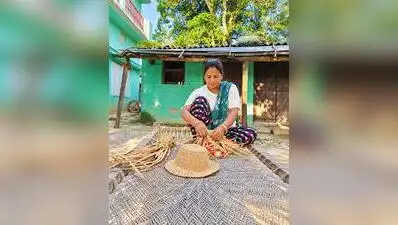
After joining the Rural Tourism Development Project in 2025, she converted part of her house into Saumya Homestay, expanding it from one guest room to two. Her handicraft outlet, which sells products made of jute, moonj and bamboo, earns around Rs 20,000 a month. A cultural group she formed has generated another Rs 50,000 through folk dance and music performances. She has encouraged 10 other women to join cultural performances and earned nearly Rs 1 lakh through food services and performances since entering the initiative. At Chandan Chowki, Mantiya earns Rs 10,000 to Rs 15,000 a month by making moonj and jute products, including bags, mats and baskets. Her tourism activities have generated nearly Rs 2 lakh, while her handicraft outlet earns around Rs 15,000 a month. Nearly 100 residents across the nine villages have received guide training, around 200 women have been trained in crafts and more than 50 women in Tharu cuisine.
You Can Also Check: Gold Rate in Lucknow | Silver Rate in Lucknow | Bank Holidays in Lucknow | Public Holidays in Lucknow | Lucknow AQI | Weather in Lucknow | Petrol Price in Lucknow | Diesel Price in Lucknow | CNG Price in Lucknow | LPG Price in Lucknow Stay updated with the latest Lucknow news.
“Around 25,000 Tharu residents across UP’s Terai belt are estimated to be linked with tourism-related livelihoods, directly or through households earning from homestays, food, handicrafts, guiding, transport and cultural performances,” additional chief secretary, tourism, culture and religious affairs, UP, Amrit Abhijat said. ACS Abhijat also said that the aim was to ensure tourism spending circulated within villages. Ban Devi Thar’s journey reflects a shift taking shape in villages around Dudhwa, where Tharu women are turning household skills, traditional cuisine and cultural knowledge into paid work Nirnala Devi with tourist at her home stay Mantiya Devi from Chandan Chowki A group of empowered tharu women A group of traditionally dressed tharu women welcoming tourists at a home stay Ban Devi Thar’s journey reflects a shift taking shape in villages around Dudhwa, where Tharu women are turning household skills, traditional cuisine and cultural knowledge into paid work Nirnala Devi with tourist at her home stay Mantiya Devi from Chandan Chowki A group of empowered tharu women A group of traditionally dressed tharu women welcoming tourists at a home stay Lucknow: From working as a daily wage labourer to running a homestay, handicraft outlet and folk performance group, Ban Devi Tharu of Bankati has built multiple income streams by taking her community’s traditional skills to tourists visiting Dudhwa. Her journey reflects a shift taking shape in villages around Dudhwa, where Tharu women are turning household skills, traditional cuisine and cultural knowledge into paid work. There are nine rural tourism villages — Bankati, Chandan Chowki, Gobraula, Himmat Nagar, Najhota, Parsia, Pipraula, Singhiya and Puraina — being developed as destinations where visitors can experience Tharu hospitality and village life alongside a forest visit. In Puraina, Maya Choudhary, a Panchayat Sahayak and mother of two, serves traditional Tharu cuisine and performs folk dances for visitors. Her products have reached exhibitions and markets in Delhi, Agra, Varanasi and the Kumbh Mela. She has also trained other women in the craft. Another example is Nirmala Devi Tharu, who built Shanti Homestay after moving away from daily wage work. Widowed at a young age and shouldering the responsibility of raising four children, she combined hospitality, traditional cuisine, handicrafts and folk performances to create multiple income streams. Together, these enterprises create several earning opportunities from a single visitor — accommodation for one household, food sales for another, purchases from artisans and paid performances by local cultural groups. Download the TOI App.
On International Day of Rural Women on Thursday, the success stories of these women highlight how tourism is creating opportunities beyond agriculture and wage labour, bringing their skills into a wider marketplace.