
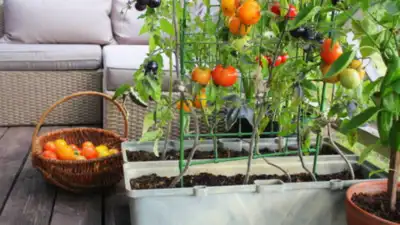
Which US state is easiest for gardening? Reddit users debate the best states to grow plants, flowers and vegetables
The responses revealed a familiar frustration among gardeners: the place that seems perfect for growing plants can also come with its own set of problems. A garden in California might be bursting with fruit trees while a gardener in Minnesota waits for winter to loosen its grip on the soil. Move to Florida, and the warmth may let you grow plants for much of the year, but heat, humidity and relentless pests can turn that apparent advantage into a battle. So, where in the US is gardening actually easiest? The answer turned out to be less straightforward than simply choosing the sunniest state. A discussion on Reddit’s r/gardening community asked users which American states make gardening easiest and which make it hardest. California, Minnesota, Florida and other regions all had their supporters, but the debate highlighted why climate alone cannot determine whether a garden thrives. New Jersey has a nickname that seems particularly fitting for this discussion: the Garden State. One Reddit user argued that its combination of rich soil, moderate temperatures and rainfall makes it an excellent place to grow plants. Another gardener from the state described a backyard where vegetables seemed determined to grow whether they had been deliberately planted or not. “Dog eats tomatoes, poops out seeds, tomato plants everywhere. They grow so well that I mow them. The same commenter described zucchini growing through gaps in the pavement and cucumbers appearing in abundance, possibly from compost. The complaint was not that the garden would not grow. It was that it sometimes grew too much.
Because california spans several distinct climate regions, that contrast matters. Because of shade, slopes, buildings and exposure to wind, even gardens within the same neighbourhood can have different microclimates. Because they are adapted to regional conditions, although individual species still have specific requirements, native plants are often a sensible starting point.
California was another contender, although the comments revealed why treating an entire state as one gardening climate can be misleading.
One Reddit user who had moved from Arizona to Minnesota offered a revealing comparison: “Damn, we came from Arizona and thought MN was easy mode for gardening lol” The comment is a reminder that gardening difficulty depends partly on what someone is accustomed to growing. For gardeners who spend weeks coaxing seedlings into life, this sounds almost unreal. But vigorous growth is not always the same as effortless gardening. Fast-growing plants can spread beyond their intended spaces, weeds can compete for nutrients, and abundant fruit can become difficult to harvest before it spoils. New Jersey also has its share of problems. The same discussion mentions unpredictable weather, dry spells, heavy rain and late spring frosts that can damage early crops and fruit trees. The state may offer favourable conditions for many plants, but even a productive garden can be vulnerable to a badly timed cold snap. One Reddit user described the central and northern coast as particularly favourable, citing mild temperatures, productive soil and the ability to grow plants throughout much of the year. The eastern desert regions, however, were described very differently: cold winters, scorching summers, dry conditions and difficult soil. A gardener near the coast may enjoy conditions that are very different from those experienced in an inland valley or desert community. The state’s agricultural productivity also does not mean every residential garden is easy to maintain. Water availability, irrigation requirements, local soil conditions and summer heat can all influence what grows successfully. For someone hoping to grow citrus, herbs, berries or vegetables, the exact location within California may matter more than the state’s reputation. Florida offers warmth that can allow gardeners to grow many plants for much of the year. But one commenter described a garden that seemed to have a life of its own. “Sometime in August you decide weeds aren’t that big of a deal. The Florida gardener described dealing with intense sunshine, vigorous vines and plants that spread into bushes and across fences. The comment captured the exhausting side of a climate where growth does not necessarily slow down when the gardener wants a break. Heat and humidity can also influence which plants thrive, while pests and plant diseases may create additional work. A long growing season sounds ideal until it becomes a long season of pulling weeds, pruning aggressive growth and managing plants that have outgrown their allotted space. For Florida gardeners, success may depend less on persuading plants to grow and more on choosing species suited to local conditions and keeping vigorous growth under control. Gardeners in hotter, drier parts of the country described a different challenge: keeping plants alive when heat and a lack of rain combine. A Texas commenter offered a practical approach to the state’s conditions: “You learn to love native plants and starting your own seeds indoors if you want to try gardening here. The same gardener noted that some heat-loving plants, including okra, loofah and certain hot peppers, perform well. This is a useful distinction. Gardening in a hot climate is not necessarily impossible, but it often requires a different choice of plants, careful watering and an understanding of when temperatures become too extreme for particular crops. An Arizona gardener offered a similarly nuanced perspective. Despite living in the Sonoran Desert, the commenter enjoys creating landscapes for birds and pollinators and pointed out that many native plants need less water than people might expect. The challenge, the gardener explained, is that extreme temperatures can still be difficult for many cultivated plants. The lesson is not that desert states are bad for gardening. It is that the plants best suited to a desert landscape may be very different from those that flourish in a humid coastal garden. Minnesota received mixed reviews. Its winters can be harsh, and the growing season is shorter than in warmer states. Late frosts, heavy rain, drought and hail can complicate planting plans. Yet some gardeners defended the state, arguing that summer conditions can support productive vegetable gardens when the right adjustments are made. A gardener who has spent years battling extreme heat and water shortages may find a cooler climate easier, even if winter limits the number of months available for planting. Minnesota gardeners may need to start seeds indoors, choose varieties suited to shorter seasons and protect sensitive plants from late frosts. But those adaptations can make a productive garden possible. The same principle applies across the country: learning the local growing calendar is often more useful than chasing a state with a supposedly perfect climate. The US Department of Agriculture’s Plant Hardiness Zone Map is a useful starting point for gardeners deciding which perennial plants are likely to survive winter in a particular location. The map is based on average annual extreme minimum winter temperatures and helps gardeners compare the cold tolerance of different plants. However, the USDA cautions that hardiness zones are only a guide. Soil type, moisture, humidity, wind, sunlight and summer heat can all affect plant survival. This helps explain why the Reddit discussion produced such different answers. A gardener growing tomatoes in New Jersey is dealing with different conditions from someone growing the same crop in the Arizona desert. A state that offers a long season for tropical plants may be less suitable for crops that need winter chilling or cooler summers. Water is another major consideration. In dry regions, irrigation can be essential, while places with heavy rainfall may present problems with drainage, fungal diseases or waterlogged roots. Choosing plants suited to the local climate can reduce the amount of work required and improve the chances of success. Gardeners can check their location using the USDA Plant Hardiness Zone Map and consult local university extension services for advice on planting dates, soil preparation and suitable varieties. The Reddit discussion does not produce a definitive ranking, and that may be its most useful finding. New Jersey gardeners praise fertile soil and abundant growth, but still contend with unpredictable weather. California offers an impressive range of growing conditions, yet its deserts and coastal regions pose very different challenges. Florida’s warmth can extend the growing season, while heat, humidity and aggressive plants add work. Texas and Arizona reward gardeners who understand drought-tolerant and heat-loving plants, while Minnesota can be productive despite its shorter season. The best state ultimately depends on what someone wants to grow and how much time, water and maintenance they are prepared to invest. A gardener dreaming of citrus trees may prioritise a very different climate from someone hoping to grow apples, roses or cool-season vegetables. And a person who wants a low-maintenance landscape may be happier with regionally adapted native plants than with a garden full of species that constantly need extra watering and protection. Neither experience means gardening is inherently easy or difficult. It means the most successful gardeners learn to work with their surroundings rather than expect every plant to grow everywhere. You use AI every day. Now get your AI Quotient. Take the AIQ test Get the latest Lifestyle News and more. Download the TOI app.