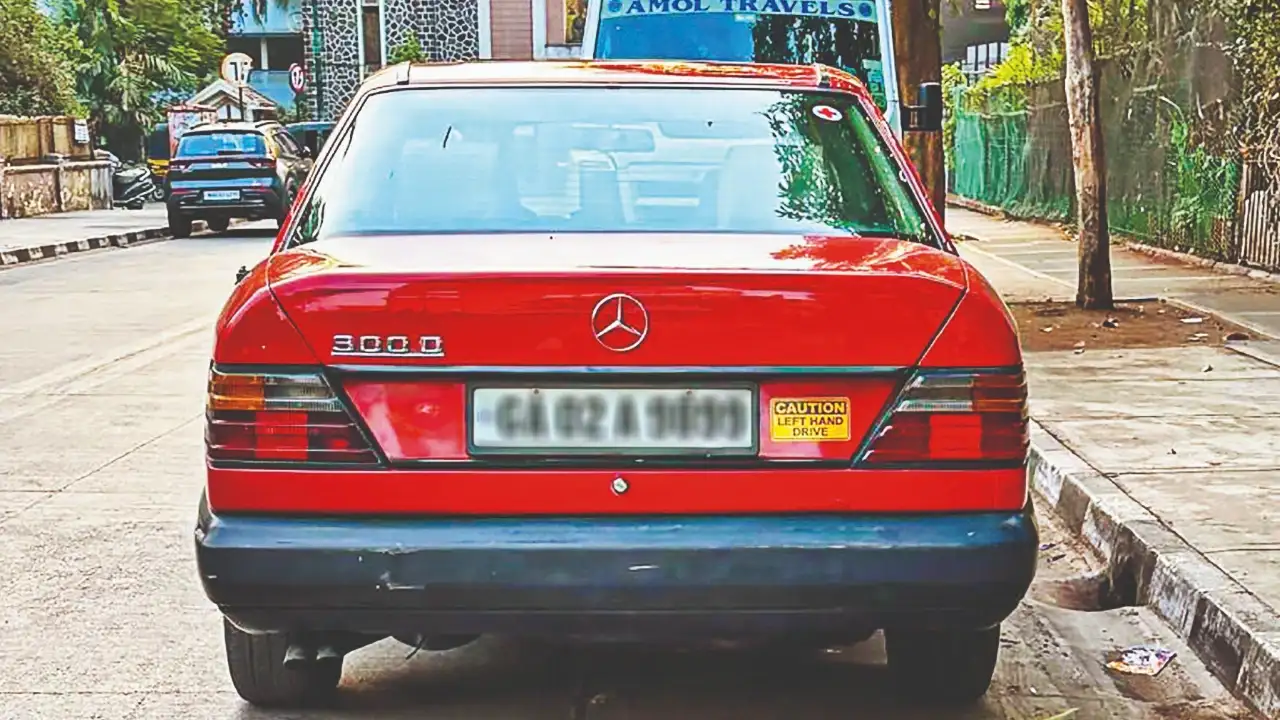
As per some state Motor Vehicles Rules (not the central Motor Vehicles Act, 1988), left-hand-drive vehicles must display a ‘Left Hand Drive’ marking on the rear
Dr Sambit Patnaik, founder of the Bombay Fiat Club, owns an enviable lineup of left-hand-drive cars, including imported Mercedes-Benz W124 and W123 models, a Fiat 1100D , to name a few The legality of left-hand-drive cars in India Section 120 of the Motor Vehicles Act states that no person shall drive or cause or allow to be driven in any public place any motor vehicle with a left-hand steering control unless it is equipped with a mechanical or electrical signalling device of a prescribed nature and in working order. Because left-hand drive (LHD) is the norm in many countries, that’s. Ever been on a vacation abroad and casually asked locals if left-hand driving feels odd – only to be met with a puzzled glare? Back home, however, Indian roads are firmly right-hand drive (RHD). Yet, a small but passionate group of Indian car enthusiasts choose to sit behind the left-hand wheel. From rare imports to classics, these LHD vehicles are not everyday rides but prized possessions for car enthusiasts. Collectors tell us how these cars legally exist on Indian roads, and what it really takes to drive them. As per some state motor vehicle rules, all left-hand-drive vehicles must clearly display a ‘Left Hand Drive’ marking on the rear.
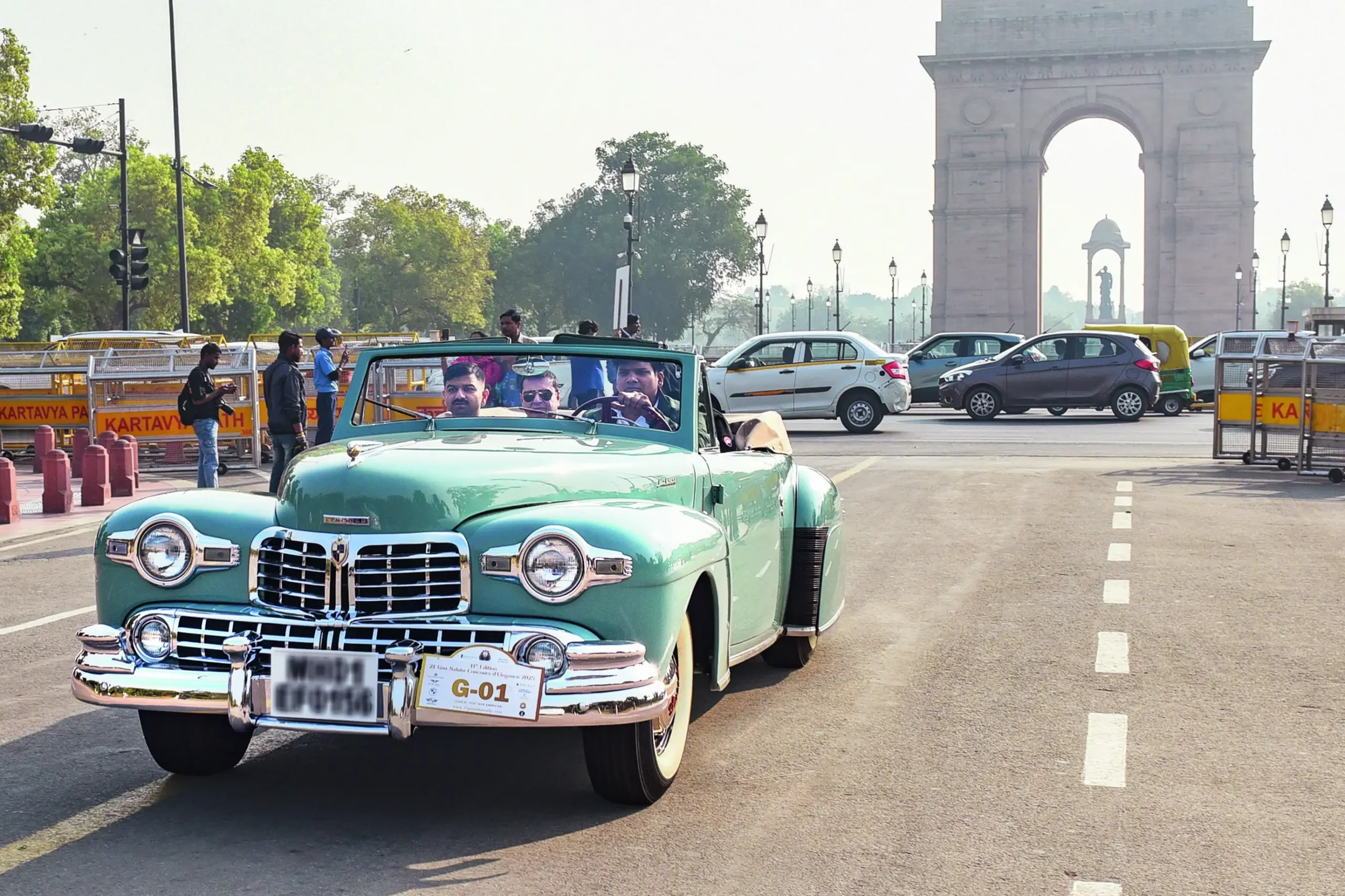
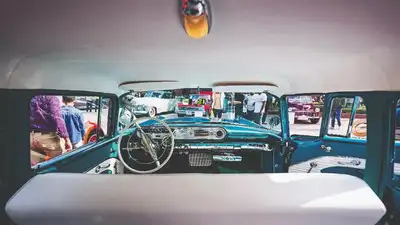
The 21 Gun Salute rally brings vintage cars, including some left-hand drive models onto the roads The challenges and the thrill of driving LHD cars Today, left-hand-drive cars in India are largely driven by seasoned enthusiasts. Because they force you to be more alert, some enthusiasts believe LHD cars are actually more fun to drive in India,. Because you can clearly see the road’s edge, “Navigating narrow roads is easier.
“An ordinary driver would struggle initially,” admits Sambit. “I drive LHD cars frequently in Dubai, where I travel weekly, and that sharpens my skills,” he adds. Echoing this, Pune-based car collector Dhananjay Badamikar says the biggest challenge remains overtaking on undivided roads. When you’re driving alone, passers-by are often surprised to see someone behind the ‘other’ wheel,” he says.
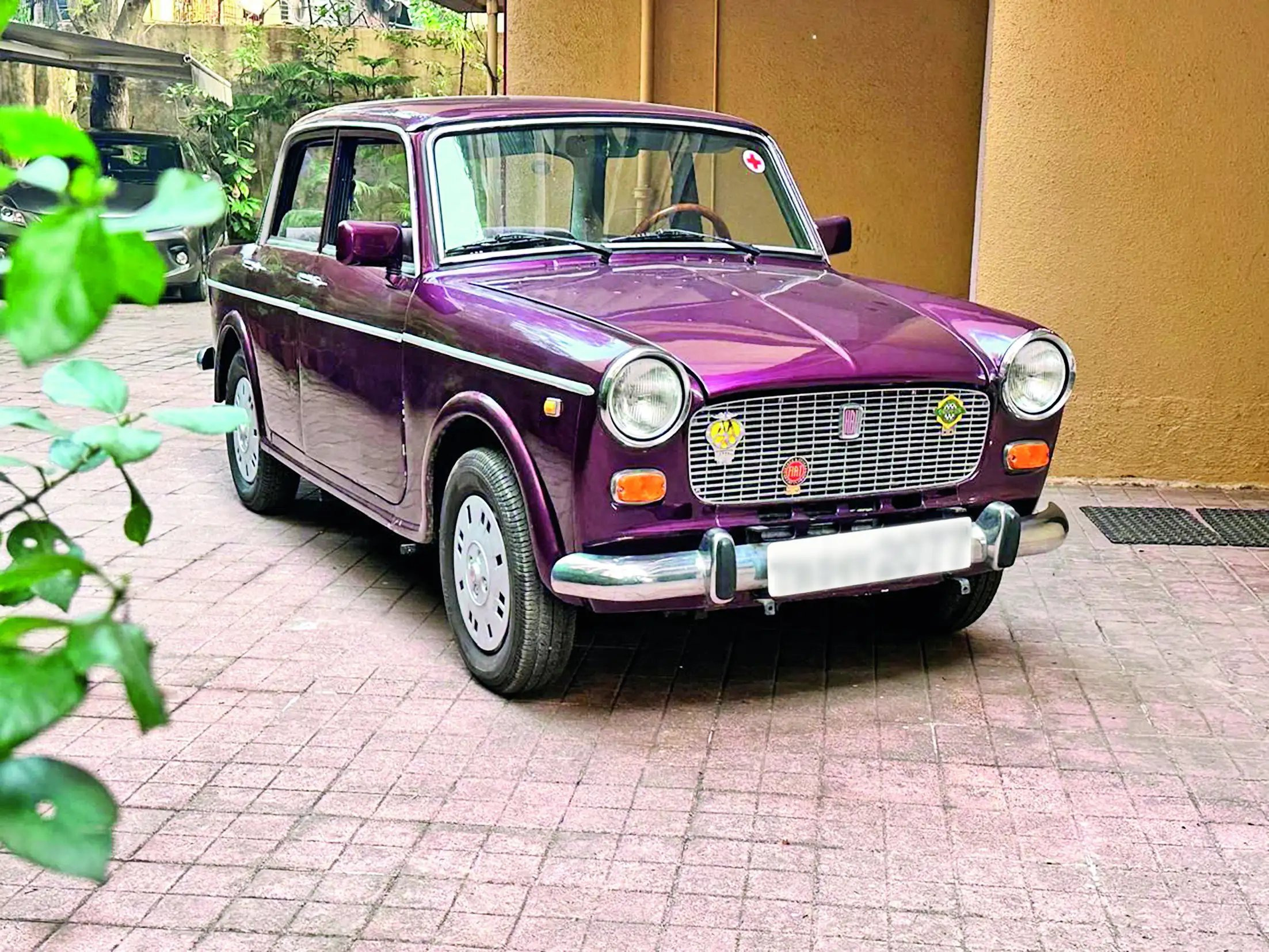
Dr Sambit Patnaik, founder of the Bombay Fiat Club, owns an enviable lineup of left-hand-drive cars, including imported Mercedes-Benz W124 and W123 models, a Fiat 1100D, Premier S1 (re-imported), Premier Padmini, Toyota Previa import and a Willys CJ-2B. However, there are no new registrations permitted now. Any imported vehicle has to be converted to right-hand drive before it can be registered in India. He adds that globally, most countries have a small number of ‘opposite drive’ vehicles, usually enthusiast-owned or consulate cars. “Since no new LHD registrations are allowed in India, violations are rare. Existing vehicles continue to run after periodic renewals, based strictly on roadworthiness. “Overtaking on single-lane roads is difficult, and one must constantly be aware of oncoming traffic while manoeuvring the car’s opposite corner during turns. Practice really makes one perfect. Regular exposure also helps. “Beyond that, it’s largely about sound judgement. There’s also a certain curiosity. Dhananjay finds LHD cars surprisingly comfortable. His collection includes a Mercedes-Benz W115, a Volkswagen Combi Bus, a Jeep, a Citroën H Van and an IMV Combi, all left-hand drive. Now get your AI Quotient. Take the AIQ test Get the latest Lifestyle News and more. Download the TOI app.
Explaining how these cars are legally on the road, he says, “Earlier, there was no restriction on the registration of left-hand-drive cars in India, which is why a handful of such vehicles are still running today. Today, left-hand-drive cars in India are largely driven by seasoned enthusiasts (Pic: @spatsgarage) You use AI every day.