
File picture
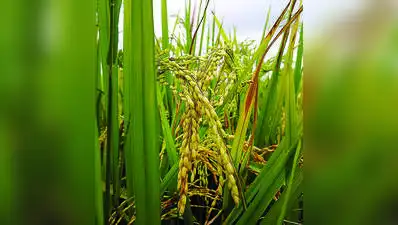
The study estimated that the additional paddy area brought under cultivation over the past 10 years alone requires 138-173 tmc of irrigation water annually, while also contributing significantly to greenhouse gas emissions. The study estimates emissions of 2.8 tonnes of carbon dioxide equivalent per acre for every paddy crop. Cultivating paddy twice a year on the same acre could push annual emissions to 5.6 tonnes. Irrigating this expanded area could require 3.9 to 4.9 billion cubic metres of water annually, based on an irrigation requirement of 1,200-1,500 mm per crop season after accounting for effective rainfall, according to the analysis. This translates to roughly 138-173 tmc of water every year. He noted that despite deficient rainfall in the previous season, paddy cultivation fell by only 11 lakh acres, indicating the challenges involved in changing cropping patterns.
Ramanjaneyulu said incentives for farmers to move away from paddy would be critical. Agricultural scientist GV Ramanjaneyulu, in his analysis ‘From Pump to Plate: Rice, Water, Power and Telangana’s Road to Water Bankruptcy’, examined the interconnected impact of paddy cultivation on water resources, electricity consumption, rice consumption patterns, exports and greenhouse gas emissions. Flooded paddy fields release methane, while the electricity required for pumping and lifting irrigation water further adds to emissions. You Can Also Check: Gold Rate in Hyderabad | Silver Rate in Hyderabad | Bank Holidays in Hyderabad | Public Holidays in Hyderabad | Hyderabad AQI | Weather in Hyderabad | Petrol Price in Hyderabad | Diesel Price in Hyderabad | CNG Price in Hyderabad | LPG Price in Hyderabad
Farm distress, he added, should have been addressed much earlier.