

Image Credits: Canva AI
Besides this, brass vessels also balance excessive body heat and retain 85 per cent of food nutrients. Because of low thermal conductivity, gradual heat transfer and mixture-retaining nature, clay pots have been used for fermenting foods for centuries. People who require a high amount of iron due to anaemia are prescribed to take iron supplements. Because it heats slowly and evenly, it is traditionally used due to its porous nature and.
Modern and thick-bottomed cookware in our kitchen has not only replaced our traditional cookware but has also taken away the technique and nutritional value of the food that we used to prepare. The non-stick pans and aluminium cookware cannot retain food moisture as clay pots can. Classic Indian texts like the Sushruta Samhita describe how utensils used to make food influence digestion, immunity, or water purification. Both Ayurvedic literature and modern sciences reflect upon the effects of cooking and storage vessels. Traditional techniques involved cooking food on chullahs that were made of clay or mud stoves fuelled by wood. Our fast-paced lives over time led us to choose modern cookware, but you don’t have to choose between healthy and convenient anymore. All you need to do is make minor adjustments and buy modern earthenware pots that can help us recreate the best of recipes handed down across generations in our family. You need to replace the stainless steel non-stick pans, aluminium cookware, synthetic alloys, and silicone or plastic storage with the traditionally used kitchenware. There are many reasons why you should use traditional cookware like clay pots, iron kadhais and brass vessels. Traditional kitchenware lasts for generations; hence, it is a better alternative to modern utensils. Moreover, technique changes texture and taste, and that depends on the kind of cookware you choose to cook and the method that you follow, as flavours develop in a pot only with slow cooking. One of the important health benefits that the claypots offer is the moisture retention that is quite required for foods like dals, rice, and some slow-cooked curries. This enriches the flavours and retains the food’s nutrients. The mineral migration depends on clay composition, food acidity and repeated use. Copper and zinc present in brass vessels leach into the food being cooked in them. This helps you maintain immunity, regulate metabolism, and improve digestion. Iron Kadhais or skillets, when used to cook food with the right amount of heat, can aid in adding iron to your diet. The release of iron is also influenced by cooking conditions, including cooking temperature, vessel type, and pH of acidic cooking environments. Even though this method of iron supplementation is quite effective. If food is cooked slowly in an earthen pot or clay pot, it gives out a faint earthy aroma in food like rice, dal, biryani, etc. Cooking in a clay pot enhances the digestibility of the food and retains its nutrients. Since it is alkaline in nature, food cooked in it is much gentler on the stomach, so it prevents post-meal acid reflux and bloating.
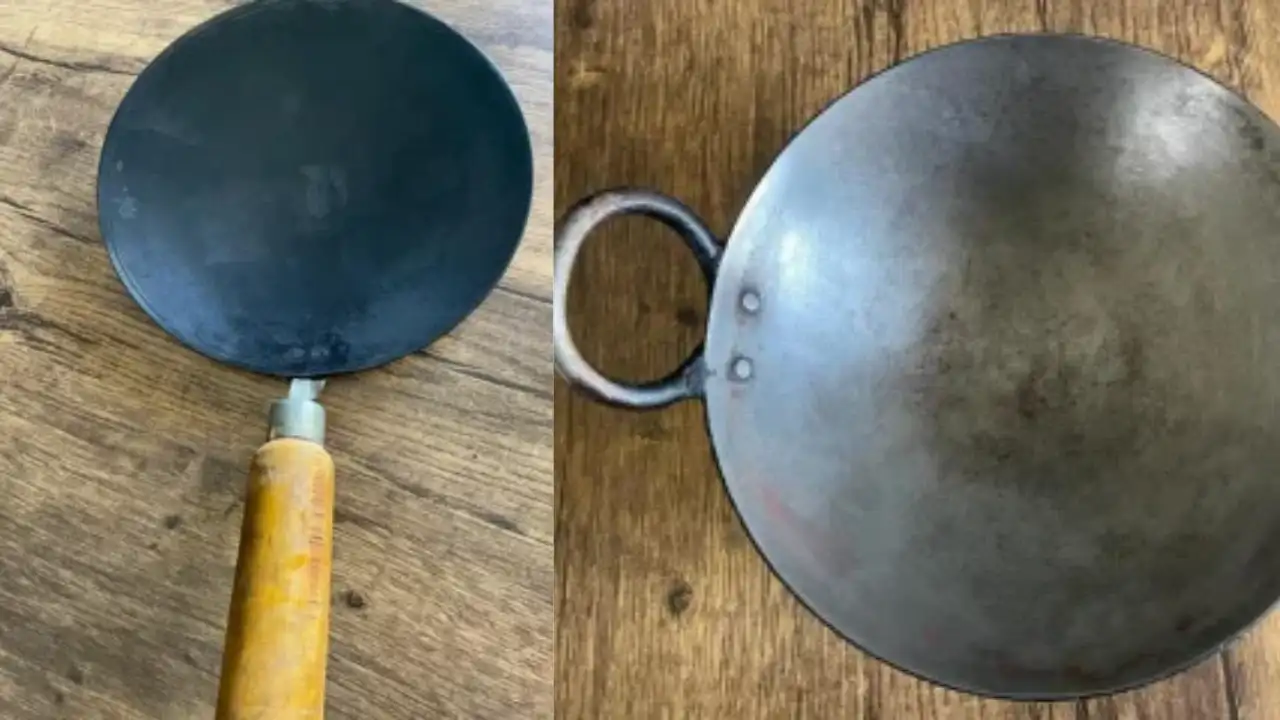
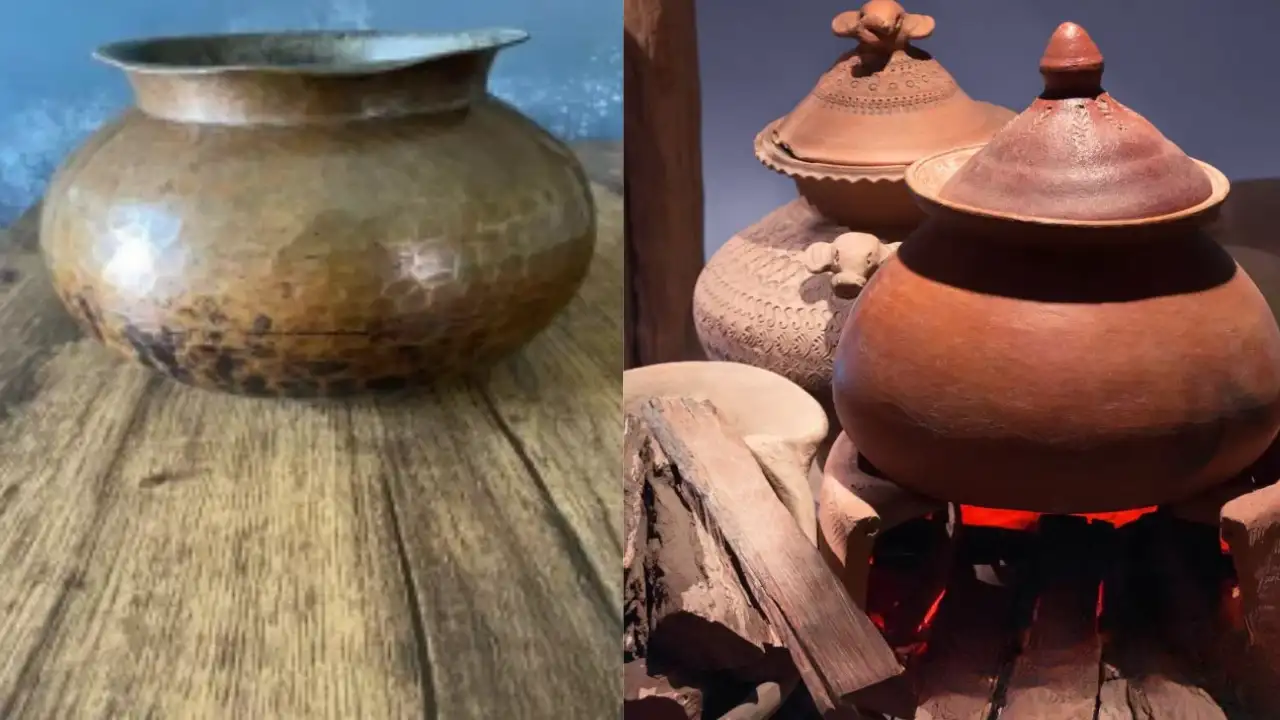
To get the best out of your new kitchenware full of traditional utensils, you need to keep a few things in mind. Remember to put a little oil on cookware like iron kadhai to prevent rust. Using such kadhais to cook acidic foods for long hours can affect their taste. Before you buy cookware like a clay pot, make sure it is not glazed, and buy only food-grade pots from trusted sellers. Also, a poorly manufactured clay pot can present a risk of contaminant migration of heavy metals. If you are buying a brass vessel, notice that it has kalai done, which is a special technique traditionally done by hand coating the inner surface of brass utensils with pure tin. This is done to avoid unwanted chemical intoxication, which can be caused by sour substances like tomatoes, tamarind, yoghurt or lemon juice after reacting with raw copper or zinc.