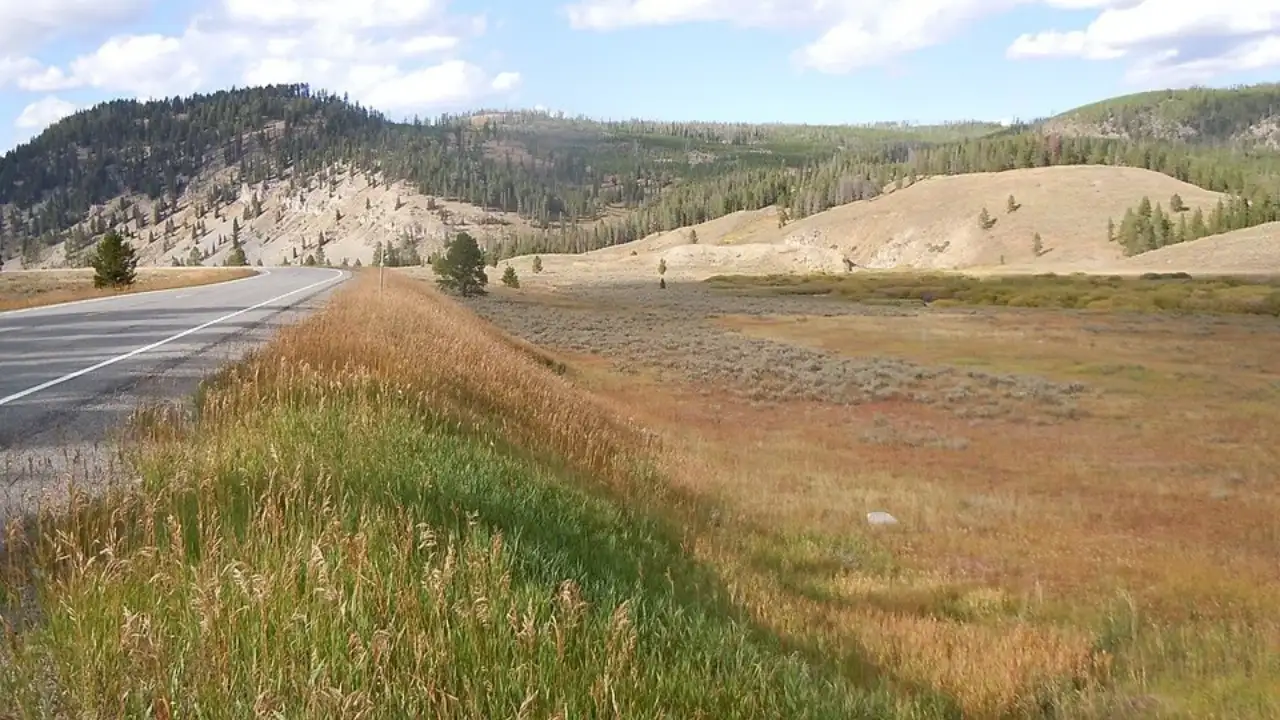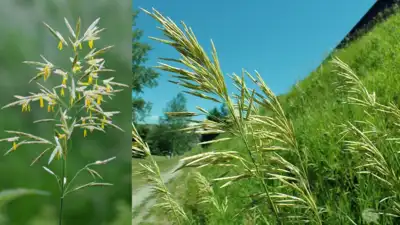
About 4,500 acres of former agricultural fields in Grand Teton National Park, Wyoming, are still dominated by smooth brome | Wikimedia Commons
About 4,500 acres of former agricultural fields in Grand Teton National Park, Wyoming, are still dominated by non-native grasses, especially smooth brome. The restoration programme has been underway since 2007, and the work involves removing established non-native vegetation and reintroducing native grasses, shrubs and wildflowers. The park’s 2007 Elk and Bison Management Plan identified sagebrush habitat restoration as a priority, with vegetation staff beginning the practical restoration process in 2009, according to the park’s current account . Grand Teton National Park reported in May 2024 that about 1,400 acres were in various stages of restoration, which included areas where native plants had become well established, and the park planned further work at the Slough South and McBride units, including additional seeding and continued monitoring.
Because smooth brome can regrow after initial removal, the work has required repeated treatment and monitoring. The process is divided into treatment units so that park biologists can manage the work and monitor results over time. The park also collects native seed locally so that plants get suited to the region, and monitoring includes documenting plant cover and counting species in established plots.
The original agricultural use has largely disappeared, but the grass is still established across the old fields, and the National Park Service says that these pastures occupy areas that are important to wildlife movement and year-round habitat. The National Park Service says that fall planting has proven to be more effective than spring planting for sagebrush restoration, with seeds remaining dormant through winter and germinating after snowmelt. Homesteaders planted the grass in the late 1800s for the production of hay for livestock during winter, and more than a century later, the National Park Service is working to restore the fields and bring back native sagebrush-steppe habitat that is used by elk, bison, pronghorn and greater sage-grouse. The grass remained after the homesteaders left Many homesteaders who settled in Jackson Hole cleared native sagebrush-steppe vegetation to grow crops and hay, with the short growing season making hay an important agricultural crop, and smooth brome ( Bromus inermis ) supplying forage that could be harvested and stored for colder months. The former hayfields are concentrated in the Antelope Flats area in the southeastern part of Grand Teton National Park. Sagebrush-steppe includes native grasses, flowering plants and other vegetation that support wildlife, such as the greater sage-grouse, while elk, bison, pronghorn and moose use the wider ecosystem for food and movement. The park would need to re-establish a diverse native plant community rather than substitute one grass species for another in order to replace the former hayfields. Smooth brome supplied forage that could be harvested and stored for colder months | Wikimedia Commons Removing the grass is only the first step Restoration crews use herbicide to clear smooth brome from selected areas, and depending on the site, prescribed burning can also help remove vegetation and reduce the layer of dead plant material. Crews seed the ground with a mixture of native grasses, shrubs and forbs (the botanical term for non-grass flowering plants), once the non-native grass has been controlled. Crews also plant nursery-grown native seedlings where appropriate, especially for shrubs and flowering plants that are slower to establish. Smooth brome can return from plants that have survived or the seed bank, so removing it once does not guarantee that it will disappear permanently, and follow-up herbicide treatments may be needed in later growing seasons. Researchers compare areas that have been restored with healthy sagebrush-steppe communities to assess whether vegetation is moving toward the desired condition. The park expects the work to continue over many years, with its objective being to establish native sagebrush-steppe vegetation that can sustain itself and support wildlife, even if some smooth brome remains in the landscape. You use AI every day. Now get your AI Quotient. Take the AIQ test.