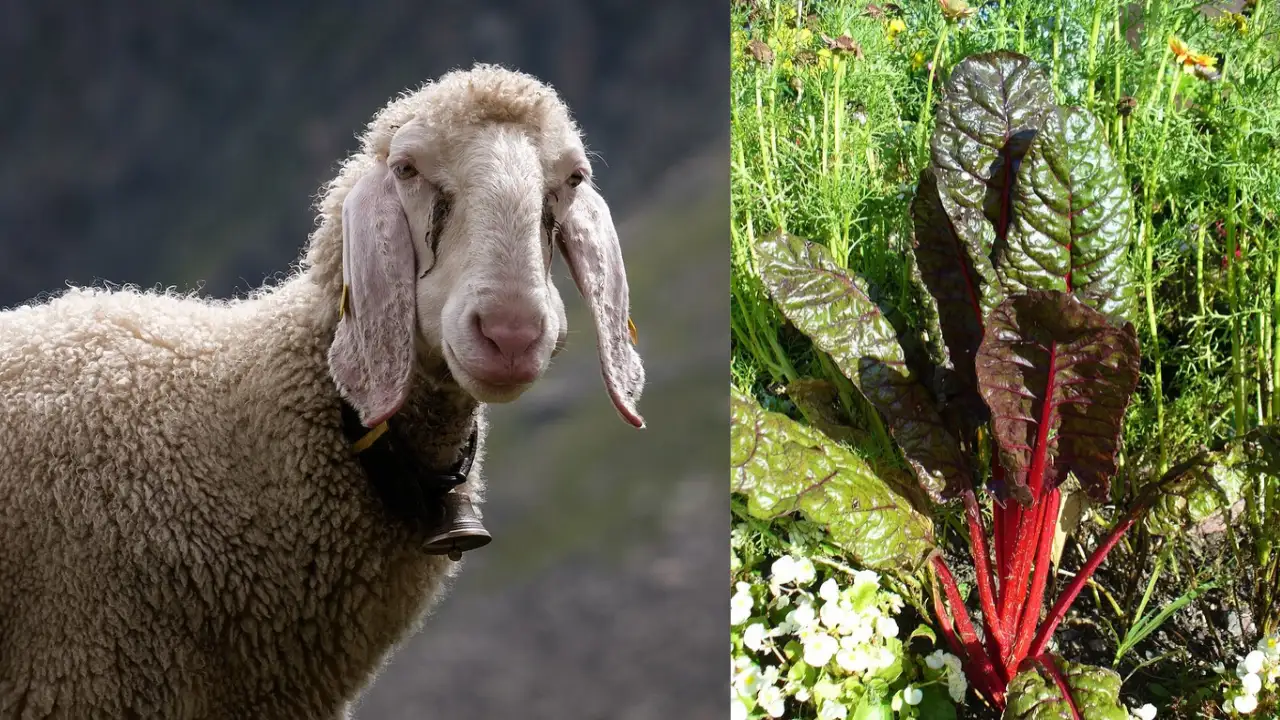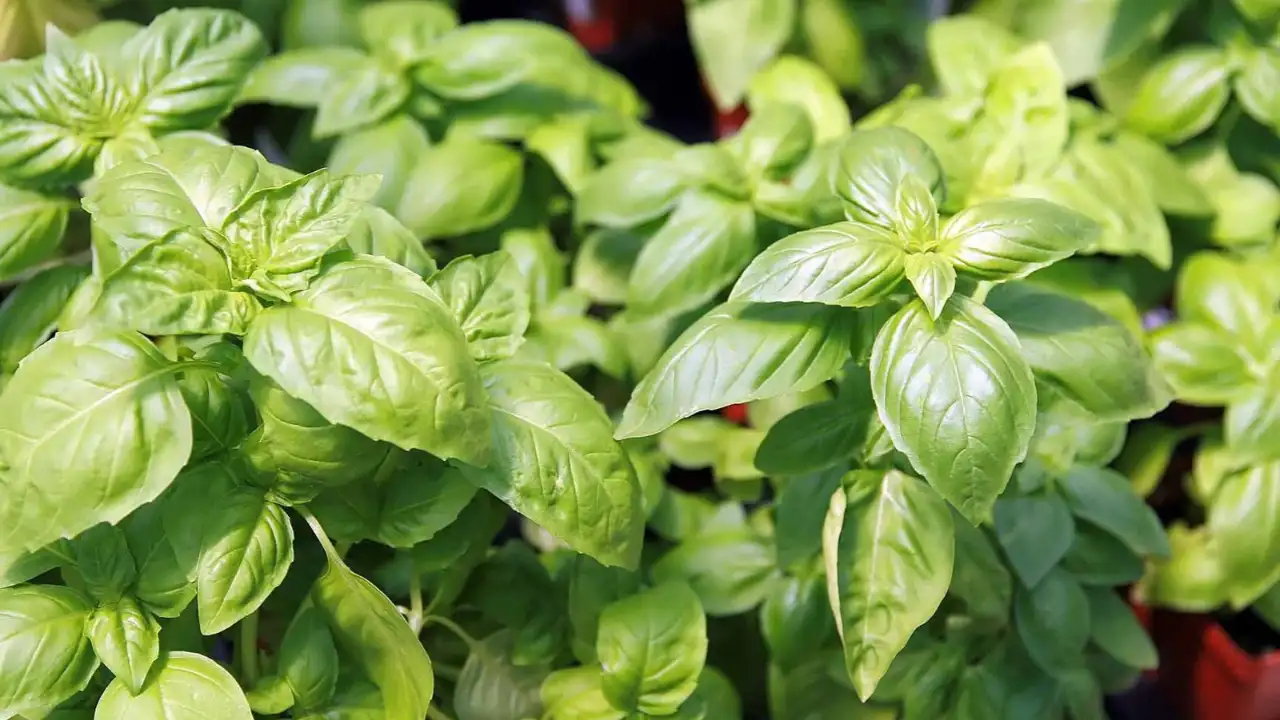
The plants were grown in potting mixtures that contained uncomposted wool waste | Wikimedia Commons
The researchers added 20, 40, 80, or 120 grams of wool waste to each pot, and tested wool with perlite, wool with peat, and wool with a combination of peat and perlite. They also harvested basil five times during the experiment, while Swiss chard was harvested four times, and across those harvests, basil produced between 1.6 and five times the total yield of the untreated control, while Swiss chard produced between two and five times the control yield. The review was published in Agronomy in 2025, and also discusses how it can be used to amend soil and growing material. A separate study published in the Journal of Environmental Management in 2020 examined sheep-farming by-products in barley production, wherein researchers reported that applying wool led to an increase in soil organic carbon and nitrogen, and produced higher barley yields than untreated plots.
Because of the addition of waste sheep’s wool in a greenhouse experiment that was conducted by researchers in Mississippi, basil and Swiss chard produced larger harvests. The study therefore does not establish that every wool treatment produced a fivefold increase or that the same result would occur in open fields. The plants were grown in potting mixtures that contained uncomposted wool waste, and total basil yields reached five times the control, and Swiss chard yields reached the same level across multiple harvests. Researchers Valtcho D. Zheljazkov and colleagues tested four amounts of wool in eight-inch pots, compared the results with plants grown without it, and assessed whether discarded wool could serve as a source of nutrients and a component of growing media. The results covered the combined harvests, and also varied with the amount of wool and the growing mixture that was used. The researchers found higher nitrogen levels in the tissues of basil and Swiss chard that were grown with wool, and the growing media also contained higher levels of nitrate nitrogen and ammonium nitrogen, which are two forms that can be absorbed by plants. Wool is made largely of keratin, which is a protein that contains nitrogen and sulfur, and its fibres break down over time. Microscopic examination at the end of the experiment found that some fibres had decomposed while others retained the majority of their original surface structure. Researchers also observed plant roots that grew directly on wool fibres, and suggested that roots might grow towards nutrient-rich areas or that root activity could help break down the material. A later review of research on wool recycling in agriculture described waste wool as a potential source of nitrogen and sulfur, and also stated that its use depends on the crop, growing conditions, and method of application. They also harvested basil five times during the experiment | Wikimedia Commons The results do not apply to every crop The Mississippi experiment focused on two plants grown in containers, and its findings cannot establish how raw wool would affect vegetables, grains, or other crops grown in different soils and climates. Also, adding a material that releases nutrients gradually is not the same as applying a standard fertiliser at a measured rate, and growers would need to account for the crop’s nutrient requirements, the properties of the growing medium and how quickly the wool decomposes. The field conditions and treatment methods were different from the Mississippi pot experiment, so the results are not directly comparable. The study provides additional evidence that wool waste may have agricultural uses beyond container-grown plants. The Mississippi findings show that uncomposted wool can support substantial yields in certain mixtures that grow in containers, and further work is needed to determine suitable application rates, how the material performs over longer periods and whether the gains hold across other crops and growing conditions.