
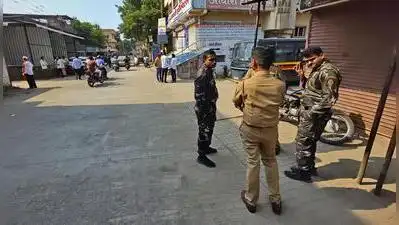
Alandi observed bandh earlier this month
Pune: A survey by Alandi Municipal Council has revealed that all 16 private coaching institutes in the temple town were operating without registration, exposing major regulatory lapses in the wake of the Diveagar beach tragedy that claimed the lives of eight Std XI students. The coaching institute linked to the tragedy reportedly owes Rs 45,634 in property tax and faces questions over unauthorised structures. Because student safety is at stake, former member of the council Rahul Chitalkar said, “A collective approach is needed, with police and civic authorities jointly assessing safety in these classes,.
“This is a wider failure of enforcement rather than an isolated violation,” resident Somnath Gaikwad said, questioning how coaching centres continued to operate without mandatory registrations, building permissions and safety compliance. Alandi Municipal Council chief officer Madhav Khandekar said notices would be issued to coaching institutes and property owners operating without the required permissions. Action will be initiated against those that fail to comply,” he said. Student safety must become a priority for all concerned agencies,” Pintu Vahile, uncle of one of the victims, said.
The survey found that none of the coaching institutes had registered with the municipal council. It also flagged issues like unauthorised constructions and pending property tax dues. Residents have criticised authorities for acting only after a fatal accident. “Establishments have been directed to obtain the necessary approvals within the stipulated period. The residents, however, argued that post-tragedy notices could not substitute preventive enforcement. These agencies should conduct a comprehensive audit of all coaching centres, verify their legal status, and make student safety a mandatory requirement. ” The incident has also reignited debate over the absence of a comprehensive regulatory framework for private coaching classes. “Parents leave their children at these institutes assuming they are safe, but there is no effective oversight of their activities or safety standards.