
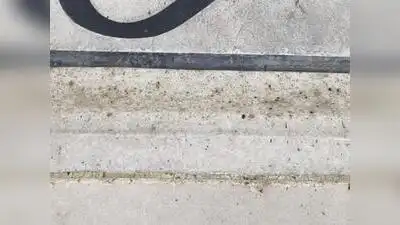
Insects breeding in the river are settling on the monument’s northern walls and leaving droppings on the marble
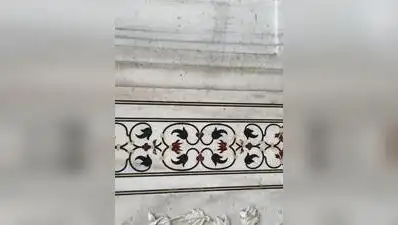

Because of pollution, “The problem has occurred in the past as well. Smita Kumar, ASI superintending archaeologist, confirmed that the agency’s chemical science branch has been directed to treat and restore the discoloured surfaces.
Since they cannot fly very high, their impact is largely confined to the Chameli Farsh and areas slightly above it,” an ASI official said. The science branch will take steps to clean the affected surfaces,” Kumar said. “Officials are making false claims about drain tapping, while the pollution continues to damage the Taj Mahal,” Gupta stated.
Agra : The iconic white marble of Taj Mahal is once again coming under threat from environmental degradation as green and black stains have reappeared on its northern facade, driven by severe pollution in the adjacent Yamuna River . Swarms of non-biting midges, identified as Goeldichironomus, are breeding rapidly in the river’s stagnant, sewage-laden waters. The insects are settling on the historic structure’s river-facing walls, leaving behind unsightly droppings on the delicate marble and red sandstone. ASI experts noted that these insect populations surge twice a year—during the post-monsoon period in Oct and during peak summer in April. During these months, Yamuna’s water level drops drastically, water flow slows to a crawl, and organic pollutant concentrations peak. “The insects thrive in heavily polluted water and silt. Local activist Sharad Gupta alleged that key waste channels—including the Mantola drain, Bhairo drain, and a drain near the Taj tannery—continue to discharge raw sewage and industrial effluent directly into Yamuna. You Can Also Check: Gold Rate in Agra | Silver Rate in Agra | Bank Holidays in Agra | Public Holidays in Agra | Agra AQI | Weather in Agra | Petrol Price in Agra | Diesel Price in Agra | CNG Price in Agra | LPG Price in Agra