
The Coalition Against MariBell 765 has expanded its legal challenge, while Wisconsin Public Radio and local broadcaster WIZM News have also reported on residents’ concerns about land use, property values and the project’s potential impact on the Driftless region, according to the VernonReporter. At the centre of the dispute is the proposed MariBell Transmission Project, a roughly 140-mile electricity corridor linking Marion, Minnesota, with Bell Center, Wisconsin. Developed by Dairyland Power Cooperative and GridLiance Heartland, the project would carry electricity at 765 kilovolts and 161 kilovolts using large steel transmission structures.
A proposed high-voltage transmission line in western Wisconsin has become the focus of a growing dispute between rural landowners and energy developers, with farmers warning that the project could reshape their properties and the surrounding landscape. For fourth-generation farmer Timothy J. Woodhouse and his extended family, the debate is about more than new infrastructure. It concerns the future of a cattle operation built across generations, and whether the proposed route could permanently alter the land on which the family lives and works.
One proposed route would pass within 300 feet of Woodhouse’s home, according to the coalition’s amended court complaint. An alternative could cut through 120 acres of cropland and pasture belonging to the family’s 2,500-acre operation. The proposed line would replace an existing 161-kilovolt transmission line with a double-circuit system capable of carrying electricity at 765 and 161 kilovolts, according to the developers’ official project website.
Wisconsin Public Radio has previously reported that some landowners are concerned about losing usable farmland, changes to the landscape and the possibility that the infrastructure will serve broader regional needs without providing direct connections to the communities along its route.
Dairyland Power has said the project is not specifically designated to supply data centres. The family is not alone in its opposition. The coalition has also identified the farm of Larry Pedretti, Woodhouse’s uncle and a third-generation farmer, as directly affected by both proposed routes. Pedretti raises beef cattle and uses a pacemaker and defibrillator, adding another layer to the family’s concerns about working around the proposed high-voltage infrastructure. The lawsuit argues that the project could interfere with agricultural operations, damage property values and affect the rural environment. It also raises concerns about noise, electromagnetic fields and possible risks to human and livestock health. These are allegations made by the plaintiffs and have not been established as findings by a court. The MariBell project forms part of a wider effort to modernise the electricity network across the Upper Midwest. However, residents have questioned whether the benefits justify the disruption to their communities.
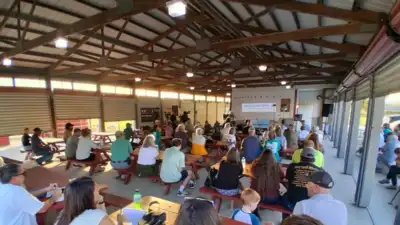
The proposed structures are expected to stand between 150 and 200 feet tall, with a right-of-way potentially extending up to 250 feet wide. The project website lists the fourth quarter of 2026 as the expected filing period. More than 100 landowners, farmers and public officials attended a rally in Genoa on October 12, organised by the coalition.
The developers say the upgrade would strengthen grid reliability, improve access to energy resources and help meet future electricity demand. They also plan to use existing transmission corridors where possible to limit the project’s footprint. The commission’s review will consider the project’s need, costs, environmental effects and proposed routes, with opportunities for public participation. Opposition has meanwhile expanded beyond the courtroom. The gathering was followed by a day of advocacy at the Wisconsin State Capitol, where residents pressed lawmakers to address the proposed transmission developments. For the Woodhouse family, the stakes remain deeply personal. The proposed line could bring towering electrical infrastructure close to their home or take productive acreage out of their farming operation. As the regulatory process advances, their legal fight reflects a wider question confronting rural communities: how to balance the need for a modern electricity grid with the rights of families whose land may be permanently changed by its expansion.
The legal challenge is unfolding before the developers’ anticipated application to the Public Service Commission of Wisconsin for a Certificate of Public Convenience and Necessity.