
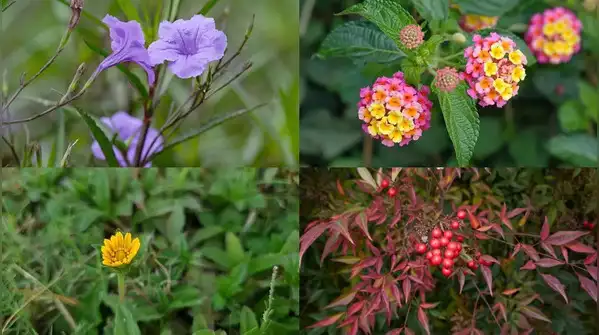
Track such species, according to the University of Florida’s IFAS Center for Aquatic and Invasive Plants. Florida’s warm, humid climate is a gardener’s dream, but it also helps some ornamental plants grow far beyond where they were planted. Many were chosen for bright flowers, fast growth and toughness, and those same traits let them escape through seeds, runners and hungry birds into wetlands, forests and roadsides. There, they crowd out native species and cost a great deal to remove. Here are eight garden plants flagged as invasive in Florida and why they are harder to control than homeowners expect.
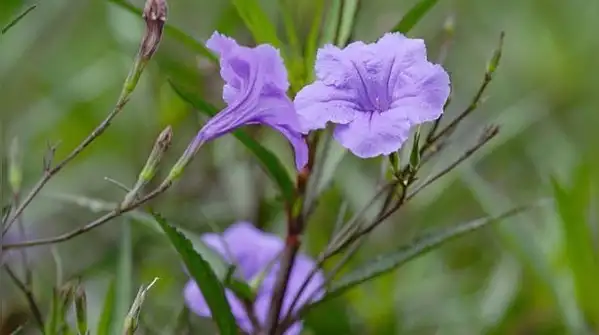
Loved for its purple, petunia-like flowers and its ability to grow almost anywhere, the Mexican petunia spreads through underground stems and seed pods that burst open and scatter seeds. It forms dense mats along ditches, wetlands and forest edges, pushing out native plants. Even small root pieces can regrow after removal, which makes control a long job. Sterile or native alternatives are often suggested for home gardens. Often grown in hanging baskets and garden beds for its soft, feathery texture, asparagus fern behaves very differently in the wild. It climbs and sprawls over native plants, smothering them. It spreads through seeds eaten by birds and through underground tubers, which makes it difficult to dig out completely. The plant also has small thorns and can irritate the skin, so wear gloves whenever you handle it.
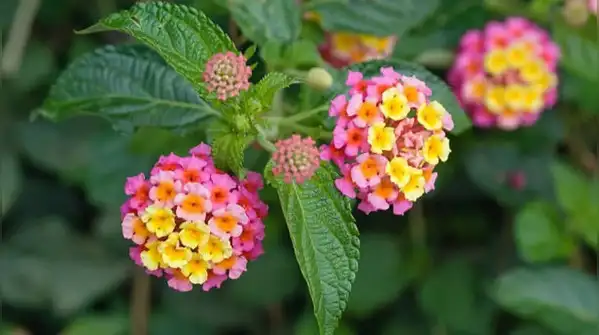
Coral ardisia is a shade-loving shrub with glossy leaves and bright red berries that look festive in a garden. Birds and other animals spread the seeds into forests, where seedlings carpet the ground and crowd out native species. Since it thrives under tree canopies, it can be especially hard to control once it has settled in. Removing seedlings early, before they set berries, is the best way to stop its spread.