
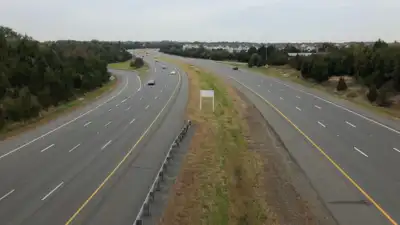
A Virginia highway near Ashburn, where state officials have tested asphalt mixtures containing recycled materials | Wikimedia Commons
Some of the test sections contained relatively high percentages of reclaimed asphalt pavement, and the report documents mixtures that contained up to 40% RAP. The researchers collected information on the pavement’s surface condition and structural performance, and also recorded construction details and material properties so that the field results could be compared with laboratory expectations. The Virginia Transportation Research Council reported that all six sections were in very good condition during the initial evaluation, and that assessment covered visible pavement condition.
Early performance is useful for identifying obvious cracking, deformation, or surface deterioration, but it cannot determine the pavement’s behavior after years of heavy traffic, temperature changes and repeated freeze-thaw cycles. A mixture can perform well soon after construction while developing problems later in its service life, and conversely, early differences from conventional asphalt do not necessarily mean a recycled mixture will perform worse. The Virginia researchers planned continued monitoring of the demonstration sections to collect additional performance data. Higher RAP percentages require closer attention to the aged binder that has already been contained in the material, and the older binder can be stiffer than the new asphalt binder, so engineers have to account for its properties when designing the new mixture. The Virginia trials also incorporated recycled plastic into some pavement mixtures, and the field work gave researchers an opportunity to examine those combinations outside a laboratory. After continued inspections, it was found that pavement performance changes with traffic volume, weather, maintenance and the characteristics of the underlying road. The six sections provided real-world test sites for that longer assessment, and researchers could compare their condition over time rather than relying only on laboratory measurements.
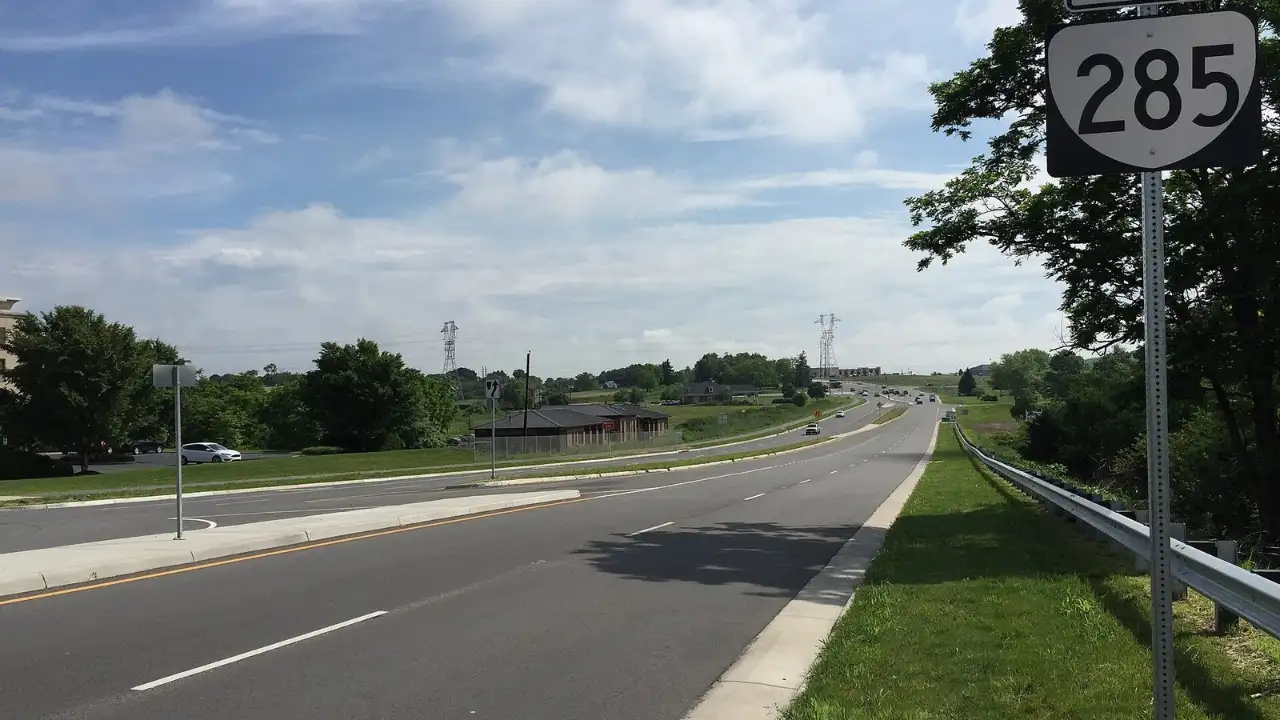
Virginia transportation officials tested asphalt mixtures that contained recycled plastic and reclaimed road material on six state-maintained road sections in 2022 and 2023. The projects used different combinations of recycled materials, which included reclaimed asphalt pavement and recycled plastics, with some mixtures containing around 40% reclaimed asphalt pavement. The Virginia Transportation Research Council rated all six sections in very good condition at the first follow-up inspection. Researchers monitored the test sections after construction and compared their condition with nearby conventional pavement. The first inspection did not establish how the mixtures would perform over the full life of a road, and the Virginia report described the early results as a first assessment, with continued monitoring required before broader conclusions could be drawn.