

(Image credit: Canva)
Especially with Diwali arriving soon, it becomes crucial to know whether the long-burning Diwali diya thali must be kept burning or extinguished. (Image credit: Canva) According to Hindu shastras, lighting of the diya is the process of bringing all five cosmic elements (pancha mahabhutas) in unison and harmony. The flame of a burning diya should not be intentionally allowed to go out through careless handling or disrespectful treatment, according to certain traditional beliefs. Puja and lighting a diya are a part of our daily rituals. The small jyot that lights up as we pray holds a special place in our homes, as we fold our hands, offer our prayers and seek blessings from the divine. More than just a ritual, lighting a diya is a small but depely meaningful way of establishing a connection with the divine. But do you ever wonder what the correct way of lighting this lamp is? Do you wait for it to eventually extinguish itself, or must you wait for the flame of the diya to die on its own? The Hindu shastras have the answers to these questions within their scriptures of knowledge, offering guidance that one may revisit from time to time. Lighting of this ghee lamp is not just the beginning of the puja, but a divine, sacred performance. This ritual involves lighting the jyot and incense sticks, folding hands in prayer, and reciting mantras, all of which need to be done in accordance with what the Hindu scriptures prescribe. Agni(Fire): the element of Agni is meant to connect the material world with divine consciousness. This burning flame of the diya acts as a force of both transformation and illumination. Prithvi(Earth): The basic element of earth is the container or clay pot that holds the diya. Jal(Water): The liquid fuel, ghee or oil, which keeps the flame alive is the representation of water. Vayu(Air): Air is represented by the oxygen that helps keep the flame burning. Akasha(space): The space and aura surrounding the glowing flame indicates the element of akasha. (Image credit: Canva) We often face the dilemma of keeping a diya or putting it out. This holds true particularly when the diya has been burning for a considerable time, or when we have to travel, or we are simply wondering if the flame can be left unattended when we have somewhere to be. The flame calls forth Agni Dev, who is regarded as the medium between the devotees and the gods. The metaphor also can be read as an insult to the sacred bond created between the divine and the devotee in this context, when the fire is extinguished. However, if one wishes to let the flame burn out naturally, it is important to remember that using less oil or ghee may help limit how long the diya continues to burn. The flame of the diya is not merely a source of light or illumination, but a manifestation of the connection that we forge with the divine. In some traditions, breaking this link would be considered discourteous. The jyot is a sacred flame, and allowing it to burn is believed to symbolise the continuity of prayer and communication with the divine. (Image credit: Canva)
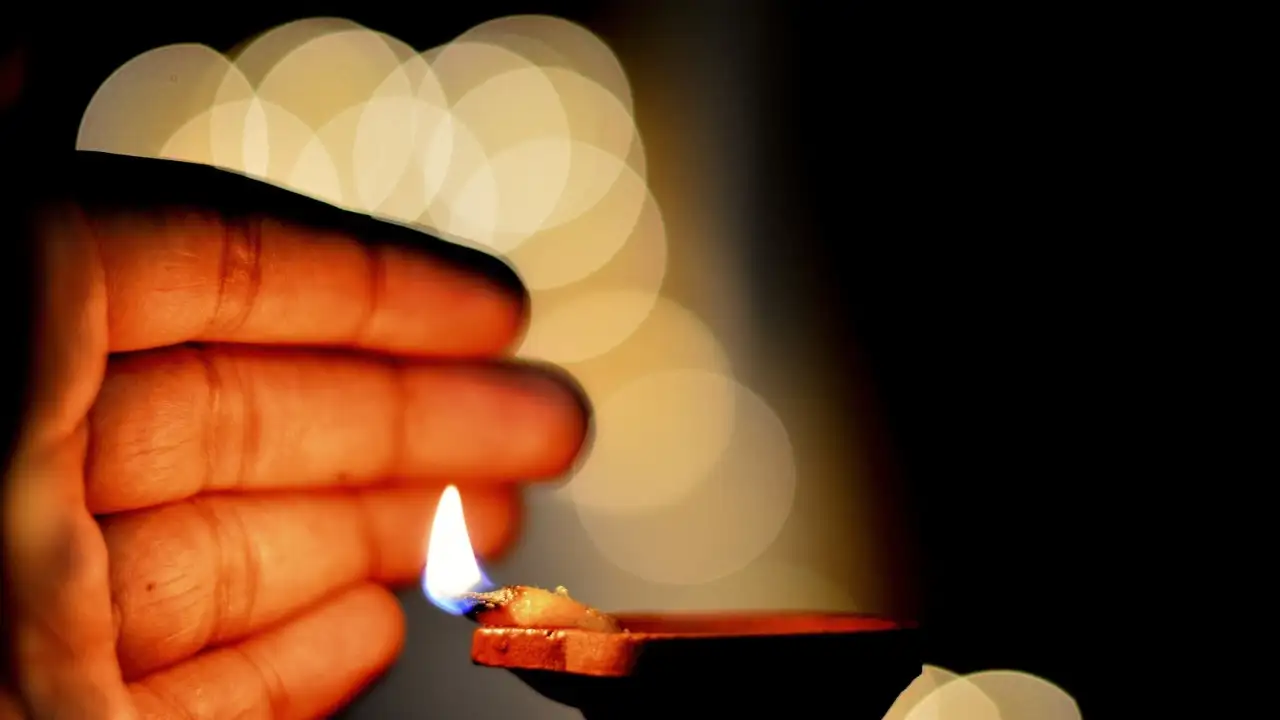
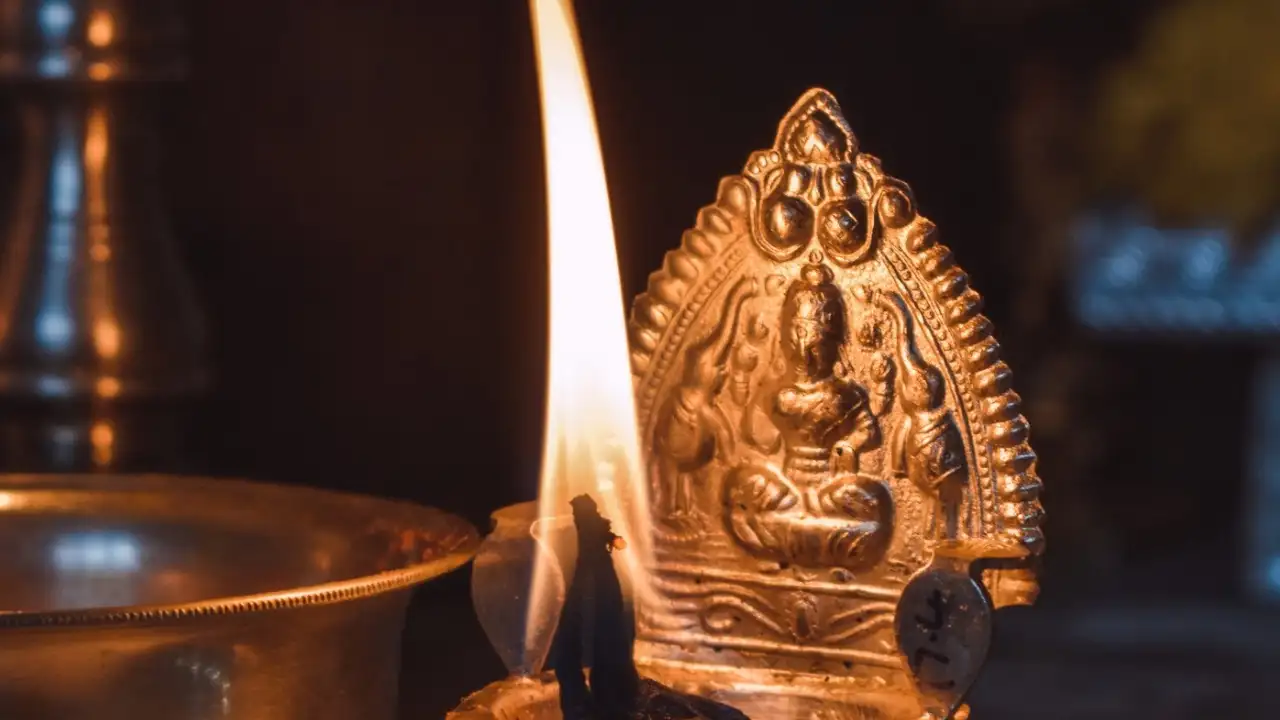
Some priests or religious practitioners may have ways of intentionally putting out the flame respectfully, although some traditions discourage this. These include gently waving the right hand from side to side or using a flower to dab at the diya but never to blow it with your mouth. Treat the act not as the closure of a conversation between you and the divine, but as a promise to return to the sacred flame. Lighting a diya is a sacred part of Hindu worship, symbolising devotion, illumination and the connection between the devotee and the divine. Some traditions might suggest letting the flame burn out on its own, but practices may vary from one household to another and religious custom to religious custom. If you have to put out a diya, do it with respect, remembering that devotion is not only in the ritual but also in the faith and intention with which it is performed. You use AI every day. Now get your AI Quotient. Take the AIQ test Get the latest Lifestyle News and more. Download the TOI app.
Before extinguishing it, fold your hands before the diya to express gratitude and chant your favourite mantra.