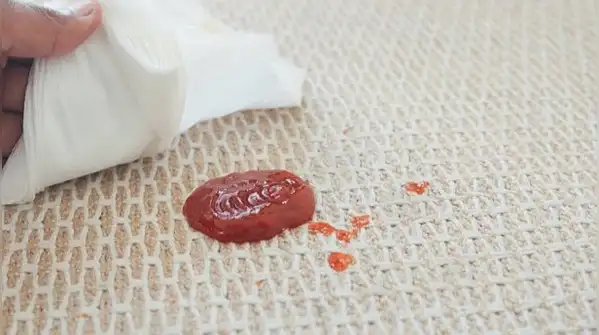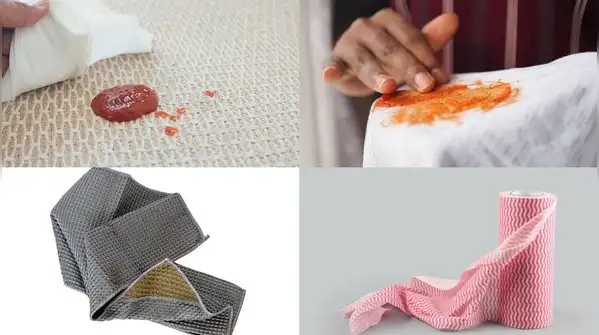
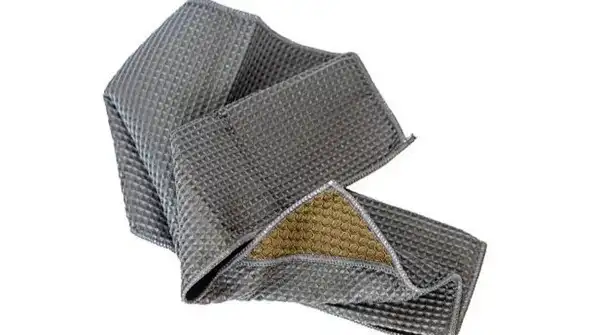
Kitchen napkins and cloths do a lot of unglamorous work. They wipe up spills, dry hands, soak up grease and sit damp on the counter for hours, which is exactly how they pick up stains, a sour smell and a surprising amount of bacteria. Reusable cloths are a good way to cut down on paper towels, but only if they’re properly cleaned. The good news is you don’t need harsh chemicals to keep them fresh. Here are five simple steps using everyday ingredients, from pre-treating stains to storing them so they stay clean.
For oily marks, rub a little dish soap straight into the stain, since soap is designed to cut grease, and let it sit for 10 to 15 minutes. For coloured stains like turmeric, tea or tomato sauce, a paste of baking soda and water left on for 30 minutes helps lift them. Use the hottest cycle the fabric can handle, ideally 60 degrees Celsius for cotton, along with your usual detergent. Soak it for 30 minutes in a basin of warm water with a cup of white vinegar, then wash it again as usual.
The sooner you tackle a stain, the easier it comes out. Rinse the napkin in cold water as soon as you can to flush out loose food. Use cold water first, as hot water can set some stains. For napkins that are really grimy or smelly, a soak does most of the work for you. Fill a basin with hot water, add two tablespoons of baking soda and a squeeze of dish soap, and leave the cloths for a few hours or overnight. For tougher stains on white or colourfast cotton, add a splash of hydrogen peroxide or use an oxygen-based laundry booster instead of bleach. Check the care label first, then rinse well afterwards. Keep towels with colour or print separate so dyes don’t bleed. Wash kitchen cloths with other kitchen linen, not with your clothes, since grease and food bacteria can transfer. This temperature helps kill germs and lifts grease. Don’t overload the drum, so the water can reach everything, and don’t use fabric softener, which coats fibres and makes them less absorbent. If you notice a lingering smell, add half a cup of white vinegar to the rinse cycle. If a cloth still smells sour or musty after washing, it usually means bacteria are still in the fibres. Sunlight is a natural helper too, since a few hours drying in the sun helps kill odour-causing bacteria and brightens whites. Never mix vinegar with bleach. For very old, thin or stained napkins that still smell, it may be time to retire them as cleaning rags. A damp cloth left in a heap is a perfect home for bacteria, so dry them completely after every wash, ideally in the sun or on a hot dryer setting. Hang cloths up to air out between uses rather than leaving them wet on the counter or by the sink. Keep a stack of clean ones handy, so you can change them every day or two, or sooner if they get messy. Use separate cloths for hands, surfaces and dishes, and wash anything that touched raw meat straight away.