
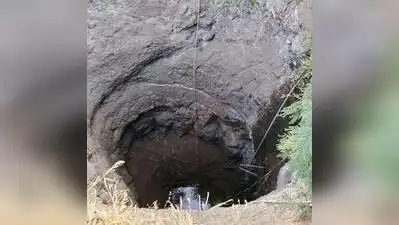
Sharad Dhanawade says most of the water hr draws from the well goes to the animals
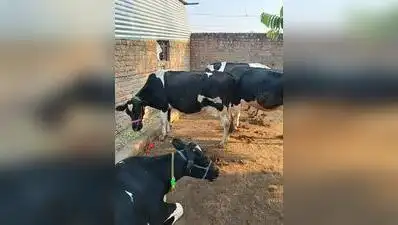
Sharad Dhanawade from Beed’s Vaitagwadi village manages to draw just 500 litres of water from his ancestral well every two to three days to sustain his family of five, elderly parents and six cattle Sharad Dhanawade says most of the water hr draws from the well goes to the animals Sharad Dhanawade from Beed’s Vaitagwadi village manages to draw just 500 litres of water from his ancestral well every two to three days to sustain his family of five, elderly parents and six cattle Sharad Dhanawade says most of the water hr draws from the well goes to the animals Kolhapur: Maharashtra ’s drought distress is intensifying by the week, with 886 govt water tankers now supplying drinking water across the state — a 15% rise since the first week of Oct. Nearly 81% of these are concentrated in just four districts — Beed (205 tankers), Ahilyanagar (196), Chhatrapati Sambhajinagar (179) and Solapur (140). The tankers are currently serving 728 villages and 2,694 hamlets in 11 districts, while the state has declared drought-like conditions in 305 of 358 talukas. In Chhatrapati Sambhajinagar division, of the 931 dams with a storage capacity of 322.78 TMC, current stock stands at 166.65 TMC, with live storage at just 41.14% — down from 88.2% during the same period last year. Across Maharashtra, 2,632 water projects are holding only 40% of their capacity, compared with 64% a year ago. For 27-year-old farmer Sharad Dhanawade from Beed’s Vaitagwadi village, the crisis is immediate and quantifiable — counted in buckets and days. He manages to draw barely 500 litres of water from his ancestral well every two to three days to sustain his family of five, elderly parents and six cattle. Borewells that once yielded water within minutes now struggle to produce a few litres after 15 minutes of pumping. I spent Rs 3,500 preparing the field for jowar, expecting rain,” Mali said. As anxiety spreads across drought-hit regions, state govt has ring-fenced water supplies for drinking purposes till Aug 2027. Satara guardian minister Shambhuraj Desai said govt had decided that, barring 10% reserved for irrigation, dam water would be prioritised for drinking needs of both humans and livestock. Additional tankers will be deployed wherever required and demands for tankers will be met within 24 hours,” Desai said.
Adding to the misery, many wells in the village contain saline water, leaving residents at the mercy of water released into Terna river, from where tankers refill their supplies. You Can Also Check: Gold Rate in Kolhapur | Silver Rate in Kolhapur | Bank Holidays in Kolhapur | Public Holidays in Kolhapur Stay updated with the latest Kolhapur news.
We use what’s left only for drinking, cooking, and washing,” Dhanawade, who quit school four years ago believing farming would secure his future, said. The crisis is being driven by rapidly depleting water reserves. “What happens after two or three weeks when not a drop is left in the well? We have no fodder for our cattle and no money to buy any. How will we survive?” he asked. “Most of the water goes to the animals. Now that future is drying up before his eyes. The story is no different in Dharashiv’s Ter village, where farmer Vyankat Mali watches groundwater disappear with alarming speed. After suffering losses in kharif season, both Sharad and Mali sowed jowar in the hope of salvaging something from the year. That hope too is fading. “From one-and-a-half acres, I harvested only 120kg of soybean. Ironically, neither of their villages currently has a govt water tanker stationed nearby. “Areas dependent solely on rainfall will receive special attention. Download the TOI App.