
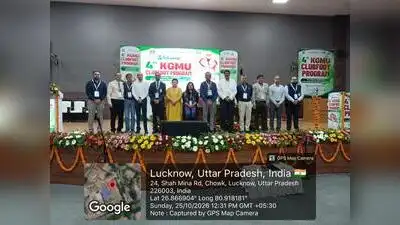
Programme underway at KGMU
Lucknow: Nearly 6,000 children are born with clubfoot in UP every year, but delayed diagnosis and treatment remain a challenge, with around one in four affected children reaching hospitals late, according to experts at King George’s Medical University (KGMU). Around 20% of cases may relapse, largely due to poor compliance with brace use, he added.
Early treatment, ideally within weeks of birth, can completely correct the deformity and help children lead normal lives, said Prof Vikas Verma, head of paediatric orthopaedics at KGMU. “Clubfoot can be corrected completely if treatment begins early and the child is followed up for five years,” Verma said. Dr Faisal Khan of KGMU said clubfoot management requires a team-based approach involving surgeons, paediatricians, physiotherapists, orthotists, nurses and social workers. “Clubfoot treatment takes years, not weeks,” he said, adding that families often discontinue treatment because of travel costs, loss of wages and doubts about outcomes.
Clubfoot, a birth defect in which the foot is twisted inward or downward, is among the most common congenital orthopaedic deformities. However, myths about its causes and treatment often delay medical care. Treatment involves a series of plaster casts, a minor procedure in some cases and long-term use of braces. He also stressed the need for research into the causes of clubfoot and training healthcare workers to improve early diagnosis and treatment. Experts at the programme stressed the need for early detection, myth-busting and long-term follow-up, saying timely treatment and consistent brace use can help children walk normally and lead active lives.