
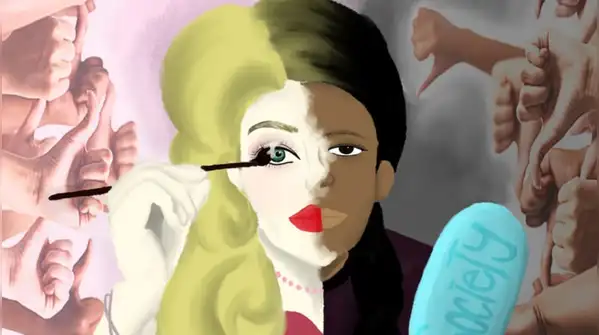
For decades, beauty advertising has relied on a deceptively simple premise: there is something about you that needs fixing. Dark circles must disappear, pores must be minimised, complexions must be brighter, and ageing must be delayed. The promise is rarely just a product; it is the possibility of becoming a better version of oneself. But what happens when consumers begin questioning whether they were ever inadequate to begin with?
In 2025, the journal Body Image published the results of a meta-analysis, which looked at 83 studies performed on 55,440 subjects and established a strong link between social comparison on social networks and body-image issues. For a long time, the beauty industry has stayed at the juncture between the urge for admiration and self-doubt. Even though the use of cosmetics is an important way of demonstrating creativity, inspiring marketing techniques often make people think of cosmetics as means to overcome one`s imperfections. This difference is essential since on the one hand, choosing a product is possible, while on the other hand, consumption is perceived as a must. The psychological aspect of this phenomenon has been examined extensively. People measure themselves against others all the time, and social media makes such comparisons happen nearly every second. Photoshop pictures, beauty filters, and the influence of algorithms make it easy for a person to judge their looks unfairly. Despite this finding, social media should not be blamed for having a negative impact on personal estimation, as studies show that getting used to standardized beauty can affect the way you perceive yourself. For beauty marketers, this environment offers an opportunity to sell more than colour, coverage or formulation. It can sell the promise of correction. A new concern emerges, a product offers a solution, and another perceived imperfection takes its place. The cycle becomes particularly powerful when the definition of an acceptable appearance keeps shifting.
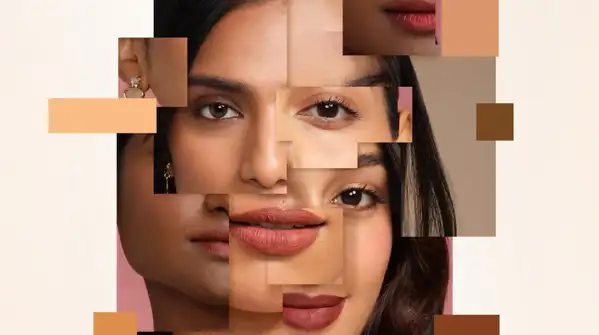
In India, where beauty standards have a long history of being tied to complexion, age and other forms of beauty, the implications carried by these messages carry weight. Digital platforms have also enabled consumers to take part in beauty culture through tutorials, product reviews and recommendations from creators that are relevant in the context of purchasing. However, increased access to beauty information does not necessarily lead to more freedom from unrealistic beauty standards.