Growing your hair long can feel like a test of patience. One month, you’re convinced it’s getting longer; the next, it looks exactly the same. And then there’s the hair fall, dry ends and frizz that make the whole process even more frustrating.
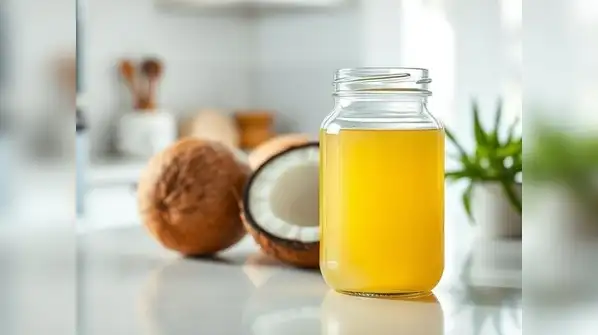
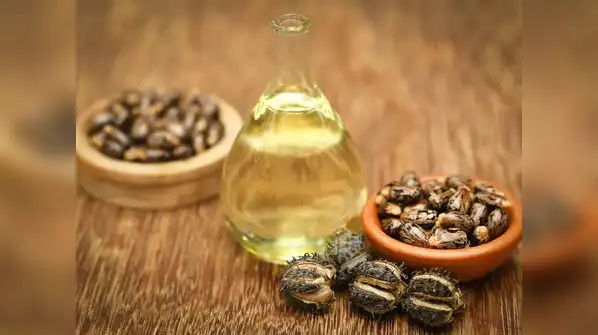
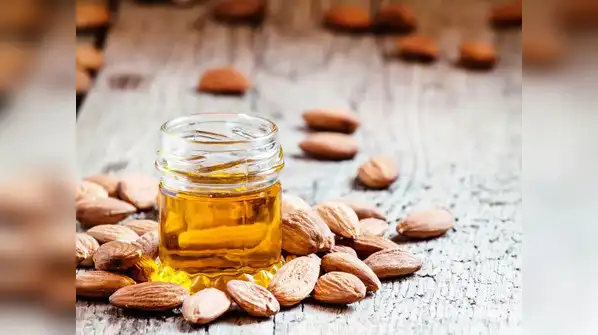
Leave it on for around 30 minutes if that suits your hair, then shampoo as usual. Because washing it out can be a bit of a struggle, the trick is not to use too much,. Before you spend a fortune on fancy hair serums, though, take a look at the oils that have been sitting in Indian households for generations. Coconut oil, sesame oil and a few other traditional favourites have long been used to keep hair soft, nourished and manageable. You don’t need to drench your hair in oil, either. Take a small amount, warm it between your palms and work it through the lengths before washing. If your scalp gets greasy quickly, focus on the lengths rather than applying generous amounts directly to the roots. Castor oil has quite a reputation in the haircare world. It’s thick, sticky and often promoted as a miracle solution for hair growth. But here’s the thing: there isn’t strong scientific evidence that castor oil makes hair grow faster or increases its density. That doesn’t mean you can’t use it. Its rich texture can help coat the hair and leave dry ends feeling softer. Try mixing a few drops with coconut or sesame oil instead of applying it straight from the bottle. Use a small amount on your lengths and wash it out thoroughly. If your hair is fine or your scalp tends to get oily, you may find lighter oils easier to manage. Sesame oil has been used in Indian haircare traditions for years, particularly as a massage oil. It’s a good option if you enjoy the ritual of oiling your hair before a wash. The oil helps lubricate the strands, making them feel smoother and easier to handle. That can be helpful if your hair tangles easily or becomes rough after shampooing. Warm a little sesame oil between your palms and massage it gently into your scalp if your skin tolerates it. You can also apply it along the lengths. Leave it on briefly before washing. Just remember that a scalp massage may feel relaxing, but there isn’t enough evidence to say sesame oil itself speeds up hair growth. Think of it as a conditioning step rather than a shortcut to longer hair. If heavy oils leave your hair feeling flat or greasy, almond oil may be worth trying in small amounts. It’s rich in fatty acids and can help soften the hair, making it easier to comb and style. This matters more than you might think. Frequent tangling and rough handling can lead to breakage, especially if your hair is already dry or chemically treated. You can rub a few drops between your palms and smooth them over the mid-lengths and ends. Alternatively, use it before shampooing as part of your regular wash-day routine. One important point: almond oil isn’t proven to make hair grow faster. And if you have a nut allergy, avoid it unless a healthcare professional confirms that the particular product is safe for you. Amla has a long history in traditional Indian haircare, and amla oils are often marketed for stronger, thicker-looking hair. They’re an appealing option if you prefer products inspired by familiar home remedies. Amla oil may help condition the hair and improve its feel, depending on the formulation. However, evidence that it directly stimulates faster hair growth in humans remains limited. The ingredients in commercial amla oils can also vary, so check the label rather than assuming every product offers the same benefits. Apply a small amount before washing, or follow the directions on the bottle. If you’re trying a new product, test a little on a small patch of skin first, especially if you have a sensitive scalp. You really don’t need to oil your hair every day or spend hours with your head wrapped in a towel. A simple routine is usually easier to maintain. Start with once a week. See how your scalp and hair respond before increasing the frequency. Use less than you think you need. A small amount is often enough to coat the lengths without making wash day difficult. Don’t scratch or scrub your scalp. Use gentle fingertip movements if you’re massaging the oil in. Be careful with overnight oiling. Leaving oil on for longer isn’t automatically better, particularly if your scalp is sensitive or prone to irritation. Pay attention to breakage. A gentle shampoo, conditioner, fewer high-heat styling sessions and careful detangling can all help you retain length. And don’t forget the basics outside your haircare routine. Getting enough protein and iron, eating a varied diet and addressing any underlying health issues can matter more for hair growth than switching between oils. If you’re experiencing sudden, heavy or persistent hair loss, it’s worth speaking with a dermatologist instead of relying on home remedies alone. Coconut, castor, sesame, almond and amla oils can all have a place in a haircare routine, but none is a guaranteed shortcut to rapid growth. Choose one that suits your hair, keep the routine simple and give your hair time. The goal isn’t to make it grow overnight; it’s to help the length you have stay healthy enough to grow out.




But the right oil can help reduce breakage, which means you may be able to retain more of the length you’re growing. Because damaged hair tends to become weak and break more easily, making it harder to retain length, that’s useful. Of course, there’s no magic oil that will make your hair grow several inches overnight. Hair growth depends on factors such as genetics, nutrition, hormones and scalp health. Here are five desi oils worth considering if you’re trying to get longer, healthier-looking hair without turning your routine into a full-time job. There’s a reason coconut oil is a staple in so many Indian homes. It’s affordable, easy to find and doesn’t require a complicated routine. Coconut oil can penetrate the hair shaft to some extent, and research suggests it may help reduce protein loss from hair.