
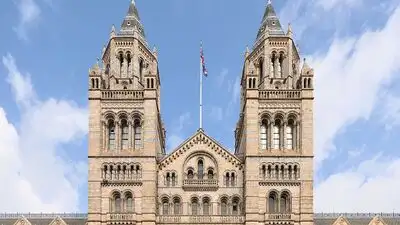
Natural History Museum on Cromwell Road, South Kensington, London. Image Credit: Wikipedia
London’s Natural History Museum has won a landmark legal challenge that reduced its rateable value for business rates from £12.92 million to just £1, marking a significant development for publicly funded cultural institutions across England. The museum was initially assigned a rateable value of £12.92 million in the 2017 Rating List, according to the Museums Association. This was subsequently reduced to £4.16 million using a method based on the estimated cost of rebuilding the property. The museum challenged that assessment, arguing that a nominal valuation of £1 better reflected the economic realities of operating the institution.
HM Revenue and Customs confirmed that the change in rating case law would need to be reflected across the museums and art galleries sector where the approach had been used. The Valuation Tribunal for England ruled that the museum should not be assessed as though it were a profitable commercial property, given its financial position and commitment to free public admission. The decision has since prompted a change in the government’s approach to valuing free-entry museums and galleries, potentially bringing substantial financial relief to institutions facing rising operating costs. The Natural History Museum’s successful appeal centred on how its property should be valued for business rates. Mills & Reeve explained that the museum’s financial accounts demonstrated that it could not operate profitably, even with government grant funding. The tribunal also concluded that there was no realistic prospect of a commercially motivated organisation taking on the building under the same conditions. However, the assessment could not rely on speculative income that the institution did not actually receive. The government funding provided to the museum was conditional on free public admission and could not simply be treated as rental income available to a hypothetical commercial tenant. The October report explained that the government’s revised approach followed the tribunal’s rejection of notional receipts in the Natural History Museum case.
Free-entry museums and galleries across England are expected to benefit from a change in the way their business rates valuations are calculated, according to the Museums Association. The implications extend well beyond the Natural History Museum.