
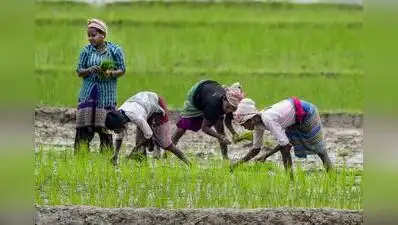
There are similar instances in the past, such as full-fledged crop holidays declared by farmers in erstwhile undivided Andhra Pradesh and the BRS govt’s 2021 call to reduce paddy cultivation
Hyderabad: While the Congress govt has officially not used the term ‘crop holiday’, its appeal to farmers to desist from paddy cultivation during Yasangi is reminiscent of similar instances in the past, such as full-fledged crop holidays declared by farmers in erstwhile undivided Andhra Pradesh and the BRS govt’s 2021 call to reduce paddy cultivation. The 2011 crop holiday movement began in Konaseema in East Godavari district, where farmers decided not to cultivate paddy after suffering losses despite a bumper harvest. The movement spread to other districts, with farmers in then Khammam district choosing to suspend cultivation in over 37,000 acres citing delays in procurement, inadequate prices and shortage of fertilizer. The unsown area was spread across 29 villages in nine mandals of the district. In Sept 2021, it urged farmers to reduce paddy cultivation during Yasangi after the Centre indicated it would not procure parboiled rice from Telangana in the coming season. Agriculture department figures reported at the time showed paddy cultivation during Yasangi falling from 50.36 lakh acres in 2020-21 to 34.21 lakh acres in 2021-22. Oilseed cultivation increased from 3.46 lakh acres to 4.55 lakh acres, while pulses rose from 4.42 lakh acres to 5.06 lakh acres.
You Can Also Check: Gold Rate in Hyderabad | Silver Rate in Hyderabad | Bank Holidays in Hyderabad | Public Holidays in Hyderabad | Hyderabad AQI | Weather in Hyderabad | Petrol Price in Hyderabad | Diesel Price in Hyderabad | CNG Price in Hyderabad | LPG Price in Hyderabad Stay updated with the latest Hyderabad news. Delayed procurement, inadequate storage, poor prices and shortages of seeds and fertilizer had left many farmers struggling to recover their investment and prepare for the next season. The protests forced the then Andhra Pradesh govt to respond. It appointed a committee headed by former chief secretary Mohan Kanda to examine the reasons for crop holidays and suggest measures to prevent their recurrence. The episode highlighted how farmers could be pushed to abandon cultivation when returns, procurement and access to essential inputs became uncertain. A decade later, the BRS govt faced a different challenge. Farmers were encouraged to consider alternatives such as pulses, groundnut, sunflower and millets. The appeal triggered concern among farmers who had already prepared for paddy cultivation or lacked confidence in alternative crops. Many were unsure whether other crops would suit their land, fetch remunerative prices or find assured buyers. In several areas, the sowing window for some alternatives had also become a constraint. Despite the govt’s appeal, farmers in major paddy-growing districts, including Nalgonda, Suryapet, Nizamabad, Siddipet, Khammam and Karimnagar, continued to weigh the risks of switching crops against the relative familiarity of paddy cultivation. In areas with irrigation facilities and access to groundwater, some farmers were reluctant to abandon paddy without reliable alternatives. Download the TOI App.