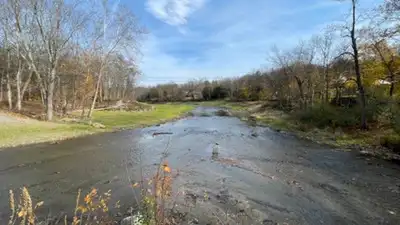
Restored Paulinskill River (source: dep.nj.gov official site )
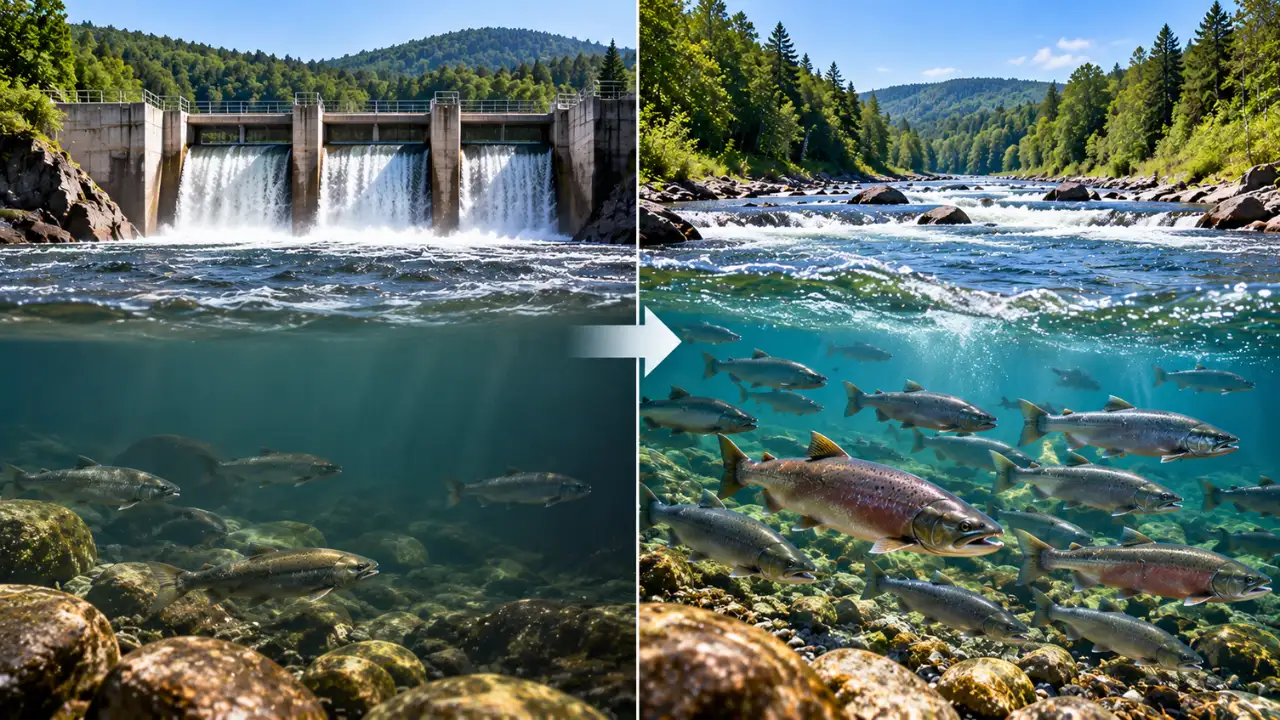
The dam was finally removed in 2019, giving migratory fish the opportunity to swim upstream again. Now, a scientific study published in 2026 has found encouraging signs of recovery, including juvenile American eels, sea lampreys and adult American shad in areas above the former dam. For years, dams have hindered the natural course of rivers, preventing fish and other aquatic life from moving freely and causing damage not only to river ecosystems but also to the environment and overall water quality. One such dam that stood in the way of a New Jersey river was the Columbia Dam.
Many dams today no longer serve their original purpose, and yet they continue to require costly maintenance.
The findings come from a long-term study published in Frontiers in Ecology and Evolution on April 13, 2026. After the dam’s removal in 2019, the 2026 study documented encouraging signs among several migratory species that had previously faced a barrier at the dam. To find out, scientists looked beyond the fish and studied how the river itself was changing after the Columbia Dam came down in 2019.
Researchers monitored the Paulins Kill River in New Jersey over nine years, examining conditions before, during and after the dam’s removal to understand whether the restoration was actually helping the river and its aquatic life recover. The health of fish populations within a river system, particularly migratory species, is a common indicator of river health. Along with eels, sea lampreys also migrate through river systems, and their reproduction involves building nests in riverbeds where they lay their eggs. The study’s findings of adults, larvae and nests upstream suggest that the restored river reach is being used for more than simply passage through the area. American shad, meanwhile, are migratory fish that travel from the ocean into freshwater rivers to reproduce. Fish returning to a river is one thing, but does removing an old dam also make the water healthier? The scientists also monitored water temperature, dissolved oxygen, turbidity and aquatic invertebrates at different points along the river. This allowed them to examine whether removing the dam had changed the physical conditions of the water, as well as the organisms living in it.
The presence of adult shad upstream adds to the evidence that removing the dam has helped reconnect habitats that were previously difficult for migratory fish to reach.