
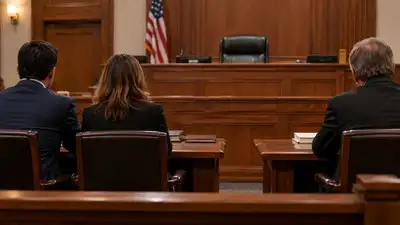
The dispute began after the seller rejected the couple’s repeated requests for a price reduction. (Representational photo)
Roger Lewis and Nicole Susser found a home in Franklin Village and agreed to pay $1.275 million for it in November 2020. But a request to lower the price by $150,000 after an inspection led to a disagreement that lasted nearly six years. The couple never got the house and were eventually ordered to pay more than $1.55 million. On Friday, October 23, the Michigan Court of Appeals overturned that judgment.
The trouble began when the couple raised concerns about the condition of the property, according to the judgment document available on Justia. Buying a house was supposed to be a new beginning for a Michigan couple looking for more space for their growing family. They wanted the seller, Robert Blumberg, to reduce the price. He refused, and even when they lowered their request twice, he did not agree. Lewis and Susser eventually decided they were willing to buy the house for the original price. But by then, Blumberg wanted to cancel the sale. Questions about his former wife’s name appearing on the property’s ownership records made the situation even more complicated. The disagreement eventually reached court, with both sides blaming each other for the failed purchase.
The judges therefore overturned both the ruling against Lewis and Susser and the financial judgment that followed. However, the decision does not mean the couple have finally won the property dispute. The appeals court has not decided which side broke the original agreement. That question remains open as the case returns to the lower court. You use AI every day. Now get your AI Quotient. Take the AIQ test.
Lewis and Susser signed the purchase agreement on November 22, 2020. They first asked for $150,000 off the price. When Blumberg refused, they reduced their request to $75,000 and then $35,000. On December 6, he signed paperwork to cancel the purchase and return the buyers’ deposit. The purchase was supposed to be completed between January 11 and 15, 2021, with the buyers getting possession immediately afterwards. On January 25, 2021, the couple sued Blumberg, asking the court to make him honour the agreement. They discussed another closing in March 2021, but could not agree on all the conditions. On March 15, Blumberg attended a title company with his former wife and others. The lower court awarded also Blumberg $1.275 million for the unpaid house price, $255,000 in interest and the couple’s $20,000 deposit, along with additional interest and costs. However, the judgment allowed the buyers a credit of up to $1.275 million if Blumberg sold the property to someone else. They said Blumberg had already made it clear, before the January 2021 deadline, that he would not complete the sale under the original terms.
Documents to transfer the house were signed, but Lewis and Susser did not attend.
Blumberg later told the jury that the requests had angered him and made him want to withdraw from the deal, according to the court ruling. Instead, they told his representatives that they were ready to buy the property without a discount. The buyers said they had never agreed to complete the purchase under those terms. The court said the jury should have been told about a legal principle called anticipatory repudiation.
A jury initially ruled in favour of Blumberg, but the appeals court has now found that mistakes during the trial affected the verdict. The case will return to the lower court for further proceedings. The house was being sold in its existing condition, but the agreement allowed them to have it inspected before completing the purchase. The inspection raised what the couple described as major problems. Neither offer worked. Lewis and Susser, however, did not sign it. Another problem emerged when the property’s ownership records were checked. Blumberg’s former wife was still named on the title, and he had been advised that this could prevent him from completing the sale under the existing agreement. Blumberg was willing to consider selling at the original price, but wanted to find another home before moving out. He would not promise when he could complete the transaction. Lewis and Susser wanted to stick to the dates already agreed upon. Their lender cleared them to proceed, but the sale never happened. During the case, it emerged that Blumberg’s divorce judgment had already dealt with the ownership issue. His former wife’s additional signature was not needed to transfer clear title. Even after the lawsuit began, both sides tried to find a way to complete the sale. One disagreement involved responsibility for any damage to the property if Blumberg stayed there briefly after the sale. Blumberg maintained that he was ready to sell and that the couple had failed to go ahead. He later filed claims against them, and the case went to trial. The jury found that Lewis and Susser had broken the purchase agreement, while Blumberg had not. Lewis and Susser challenged the ruling, and the appeals court found two problems with the way the trial had been conducted. The first concerned the unsuccessful discussions held after the lawsuit began. The judges found that information from those settlement talks had wrongly been used to help decide who was responsible for the failed sale. The second concerned an argument made by the buyers.
Put simply, if someone clearly indicates they will not fulfil a contract before the agreed deadline, the other party may no longer be required to carry out certain obligations.