
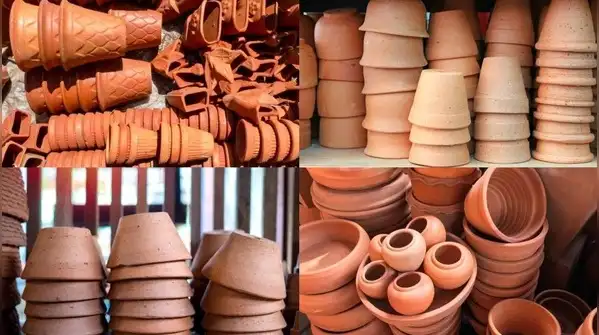
Walk into any nursery and you’ll see two kinds of pots side by side: the cheap, lightweight plastic ones and the earthy, reddish-brown clay ones. Plastic pots are convenient, and there’s nothing wrong with them. But experienced gardeners often swear by good old terracotta, and there’s a solid reason for it. Clay is a natural, porous material, and that small difference changes how a plant’s roots and soil behave. Whether you grow herbs on a balcony or succulents on a windowsill, here are five reasons clay pots often do a better job.
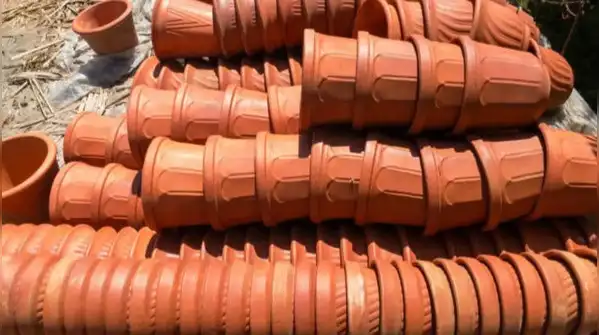
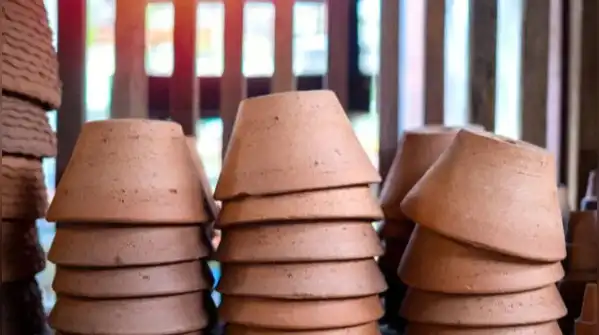
Thick fired clay acts as a natural buffer against temperature swings. On a hot day, evaporation through the walls helps keep the soil, and the roots, a little cooler, while in a cold snap, it insulates them a bit as well. That’s useful on a sun-baked Indian balcony in summer, where a thin plastic pot can heat up quickly and stress the plant. Steadier temperatures mean less stress, and a plant that’s less stressed grows better.
Because it dries faster, you’ll need to water more often, and moisture-loving plants like ferns may do better in plastic. A clay pot is made from natural fired clay, with no plastic involved, and a well-kept one can last for years. It also looks good. The warm, earthy colour suits almost any plant, and it develops a lovely weathered patina over time. In India, terracotta also has a long tradition of being made by local potters, so buying one supports craftspeople, and when it finally breaks, you can reuse the pieces as drainage material in other pots.Clay isn’t perfect for every plant, of course. Clay can also crack if it’s dropped or left out in freezing weather. But for succulents, herbs and any plant that likes its roots a little drier, a simple clay pot is hard to beat. This article is intended for general informational purposes only. Watering needs vary by plant, climate and pot size, so check the soil moisture before watering. Clay pots are heavy and breakable, so handle them carefully, and check your balcony’s weight limit before placing large planters. Consult a local nursery for advice on the best pots for your plants.