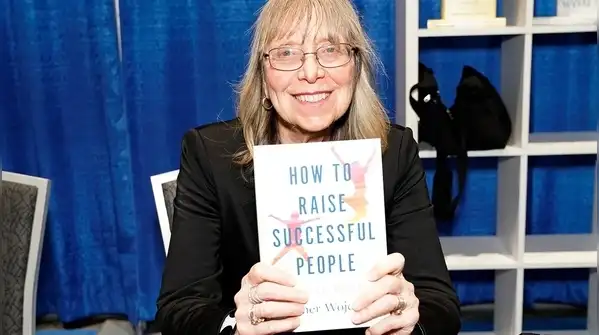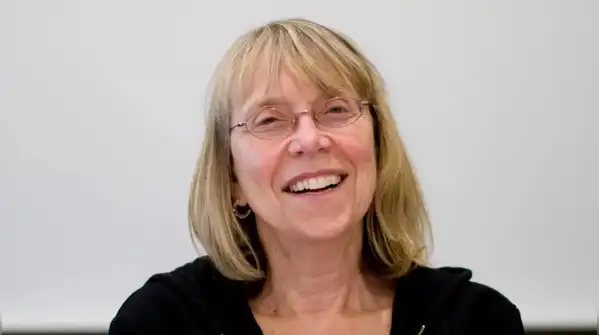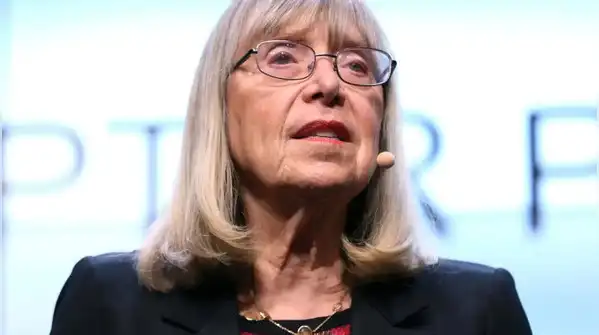
Esther doesn’t just talk about these principles; she’s built an entire philosophy around them, one that’s been called the TRICK method: Trust, Respect, Independence, Collaboration, and Kindness, according to Fortune. How do you raise kids who go on to shape tech, science, and medicine? Esther Wojcicki’s answer is surprisingly simple: don’t hover, don’t push, and definitely don’t micromanage. Instead, give them room to breathe. Susan Wojcicki, the former CEO of YouTube; Anne Wojcicki, co-founder of 23andMe; and Janet Wojcicki, a professor and pediatrician at UCSF — all Esther’s three daughters grew up under a parenting style built not on strict schedules, but on trust and respect.
Since 2026, her TRICK method has seen a fresh wave of attention, popping up in interviews with Fortune and others. Susan, after stepping down as CEO, passed away in August 2024, leaving a legacy in tech and a big hole in her family’s heart. In her 2026 Fortune interview, she described how Susan faced setbacks at Google Video, only to pivot and champion YouTube’s success. At 85, she’s still sharing her insights in interviews and in the documentary ‘The Godmother of Silicon Valley’.
She says it’s about trusting your children to figure things out, letting them stumble, and helping them grow from it. She says parents should stop mapping out their child’s future and start noticing what makes them tick. She says kids should learn compassion, gratitude, and forgiveness. With the rise of AI, Esther says kids still need college. She says parenting isn’t about micromanaging or grooming kids for a checklist future.
Esther’s known as the ‘Godmother of Silicon Valley’ for a reason. For decades, the well-known educator has been challenging the mainstream playbook for raising kids, as well as for teaching in general. In a world where parents feel compelled to oversee every assignment and every playdate, Esther stands out. Parents, she insists, shouldn’t helicopter their way through childhood. Kids need the freedom to be themselves, to mess up, and to discover what sparks their passion. Her five principles aren’t just words; they’re lived experience. She talks openly about raising successful kids, seeing failure as a teacher, and preparing young people for an unpredictable world shaped by AI. What exactly is TRICK, you ask? In her book ‘How to Raise Successful People’, Esther lays out five straightforward but powerful values. Here’s how they work in real life: Trust, for Esther, means believing in your child’s ability to handle things. It’s not about ignoring mistakes but letting your kids try, fail, and learn. If parents worry too much, kids get scared to do anything. Esther argues that giving children space doesn’t mean abandoning them; it means letting them build confidence and understand consequences. Esther is big on treating kids as individuals. Every kid has different talents. Listen to them, take their dreams seriously, and support their unique path. Don’t force them into a mold. Respect means valuing their opinions and letting them develop beyond family expectations. Probably the boldest part of Esther’s philosophy. She gave her daughters responsibility early. In Geneva, for example, she sent Susan and Janet, just five and four years old, to buy bread. That might sound risky, but Esther believes these little jobs build confidence fast. Kids who learn to manage tasks become resilient adults. The point isn’t to drop all supervision overnight, but to encourage independence step by step. Esther believes families work better when everyone has a say. Forget dictating rules; instead, get kids involved in planning chores and solving disputes. This approach teaches negotiation and empathy, and she carried it right into her classroom. Her journalism students worked in teams, took ownership, and even taught each other. In a world that values creativity and teamwork, collaboration matters as much as following rules. Esther’s last principle ties it all together. Kindness starts at home, not just with strangers. It’s not enough to raise high-achieving kids; they have to understand their role in the community and their responsibility to others. Per Wired, Esther was born in New York and made her mark as a journalist and educator. She spent over forty years teaching English and journalism at Palo Alto High School, turning a single journalism class into a huge Media Arts Program. Her classroom turned out some familiar faces: NBA’s Jeremy Lin, actor James Franco, and plenty of others who learned to think for themselves. At home, Esther and her husband Stan, who taught physics, brought that same independent spirit to their family. Susan became one of Google’s earliest hires, eventually leading YouTube. Anne started 23andMe, making genetics more accessible. Janet found her calling as a pediatrician and researcher at UCSF. Esther still talks about kindness and what it took to nurture achievement. Her daughters’ stories continue to inspire, but Esther’s real message is that the values matter more than the resume. One lesson Esther keeps coming back to is that failure isn’t a disaster. It’s just another step. Anne tackled bankruptcy head-on with 23andMe, eventually saving and advancing her vision through her nonprofit work. These stories show Esther’s belief: persistence and adaptability matter more than never failing. It’s not just about academics; the campus experience builds interpersonal skills, independence, and the ability to work in teams. Esther Wojcicki’s philosophy is a breath of fresh air. It’s about trusting them, teaching resilience, and showing that kindness isn’t optional. Success, in her view, begins when kids feel confident to carve out their own path, and when they use their skills to make life better for others.