Image credits: Canva AI
Because people feel valued when you thank them, it also helps your relationships,. Because of everything else, thich Nhat Hanh teaches interbeing , the idea that everything exists.
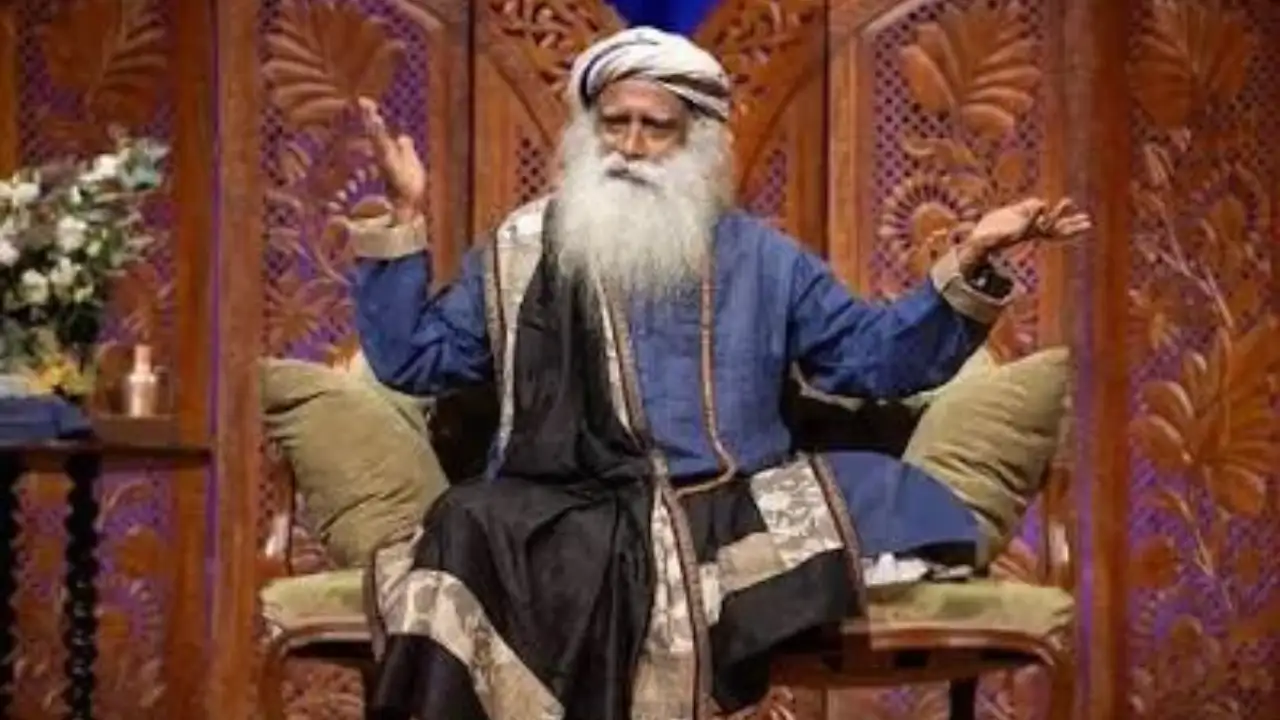
Sadhguru describes it as a state of being that reconnects you with life, and he says it shows up on its own once you stop believing you’re independent. A grateful person is rich in happiness, he says, while an ungrateful one can’t find real peace, however much wealth or status they collect. Gratitude is the feeling of appreciating the good things in your life, big or small. It might be a kind gesture from a friend, a beautiful day, or a moment when someone helped you out. When you stop to notice these things, your attention shifts away from what’s missing or stressful and toward what’s going well. Studies link a regular gratitude habit with lower stress, better sleep and greater happiness. Gratitude isn’t something you force or tick off a list. Most of us spend our days weighing what we have against what we want, and that leaves us anxious, greedy and short on contentment. Sadhguru, in his podcast, suggests stopping to notice how little of your life you produce yourself. You can’t go a single moment without air, you eat food grown in soil you never tended, and you drink water that reached you through other people’s hands. The Dalai Lama’s view comes through in The Book of Joy , built on his conversations with Archbishop Desmond Tutu. His main point is that nobody is self-made. We rely on a huge, mostly unseen network of people, from the farmers who grow our food to the workers who build our shelter. Gratitude, as the book describes it, is recognising everything that holds us in the web of life and makes this moment possible. Seeing that takes the edge off the isolated, fearful ego and leaves room for compassion toward everyone. He suggests a simple morning habit: when you wake up, appreciate that you have a precious human life. In Peace Is Every Step , he asks readers to look closely at ordinary things. A sheet of paper or a bowl of food holds the rain, the sun, the soil, and the labor of the people who made it. Once you see that, thankfulness comes easily, so gratitude starts with seeing clearly. He ties it straight to happiness. In Two Treasures, he writes, “Just by practicing gratitude, we can find happiness. His practice is hands-on. In The Miracle of Mindfulness, he describes breathing in and out while thanking your eyes, heart, lungs, and liver for working well right now, which makes gratitude something you feel in your body. Each of these books come at gratitude from a slightly different angle, but they point the same way.