
Representative image
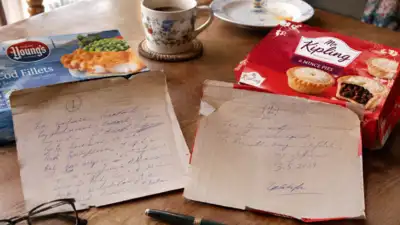
A British man’s handwritten will, drafted on the cardboard packaging of a frozen fish box and a mince pie packet, has been ruled valid by the High Court, clearing the way for a diabetes charity to inherit his estate worth approximately £180,000. Malcolm Roy Chenery, who lived in York, England, recorded his final wishes on two separate pieces of food packaging shortly before his death in May 2021. His estate included a three-bedroom house, money, jewellery and a large collection of ornaments and pottery. He named the British Diabetic Association, now known as Diabetes UK, as a principal beneficiary, while allocating his ornaments and pottery to the Hornsea Collector’s Society. The unusual format prompted legal questions over whether the two pieces constituted one valid will. Diabetes UK sought to have both pieces admitted to probate as Chenery’s final will. If the court had rejected the documents, his estate would instead have been distributed under the rules governing intestacy, which apply when someone dies without a valid will.
On 8 November 2024, Master Katherine McQuail of the High Court’s Chancery Division ruled that the two pieces of cardboard should be admitted to probate as Chenery’s last will. The case was therefore not simply a dispute between the family and the charity. The claim also had support from members of Chenery’s family, some of whom explained that diabetes had affected relatives. This helped establish why the charity might have been a meaningful beneficiary for him. she later indicated that she would not actively oppose the claim and would leave the decision to the court Although one sister had initially raised concerns about the circumstances.