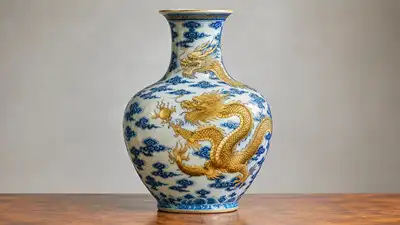
AI Representation: A rare Qianlong-period Chinese porcelain vase, decorated with gold and silver cranes and bats. Image credits: Chatgpt
This vase was sold at Dreweatts auction on 18 May 2022 for a hammer price of £1.2 million, according to the auction house. The final price reached £1,449,000 after adding the buyer’s premium. A Chinese porcelain vase spent years as an ordinary household decoration in an English family’s home. The owner purchased it for a couple of hundred pounds decades ago, not realising that the vase was related to the imperial Court of the Qing Dynasty of China. It was kept in their kitchen without realising its potential appeal to collectors of Chinese antiques. The unique design of the vase attracted the attention of an expert in antiques, who found a six-character Qianlong seal mark on the base of the vase.
US Midterm Election Results 2026
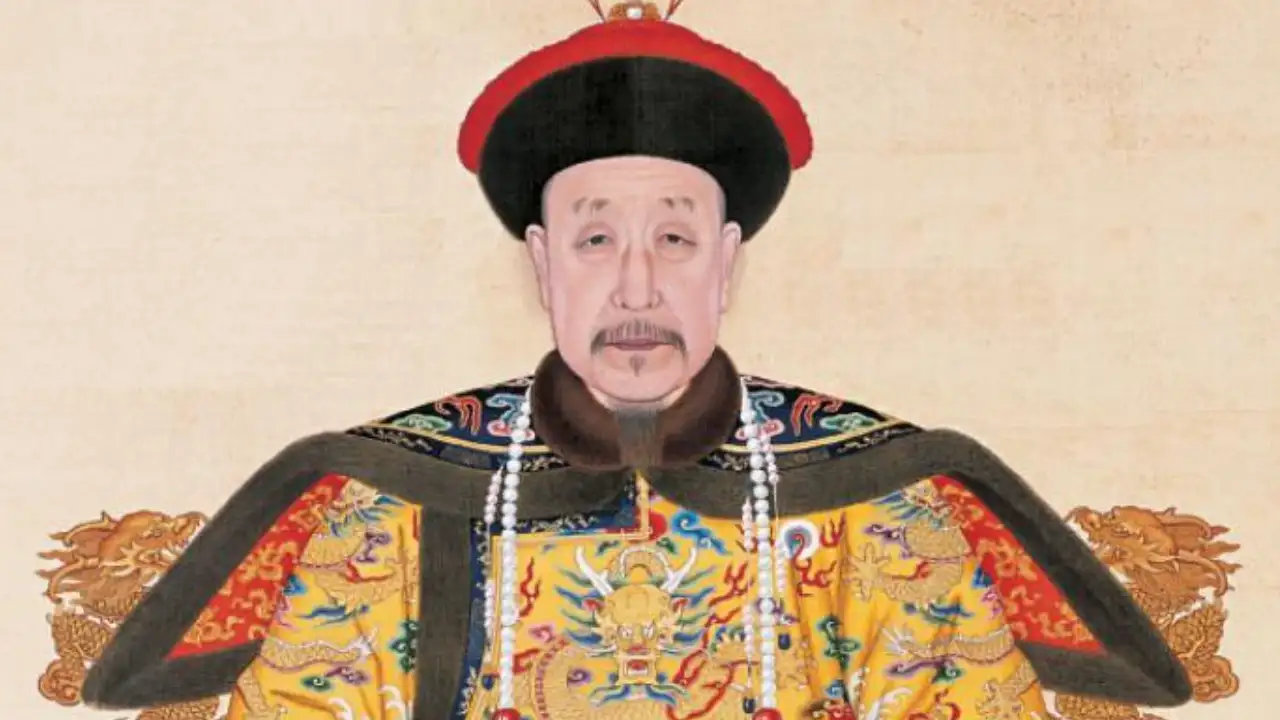
This emperor was the ruler of China between 1735 and 1796 and belonged to the Qing dynasty. It said a vase like this needed at least three kiln firings, one for each glaze and enamel: over 1200° C for the cobalt blue, then lower temperatures for the turquoise inside and the gold and silver enamels. It puts an estimate of £100,000 to £150,000 on the vase, excluding fees. The sale took place on 18 May 2022, with bidders from China, Hong Kong, the USA and the UK taking part. The vase was sold for a hammer price of £1.2 million, well above the estimated range. When the buyer’s premium was considered, the vase sold for £1,449,000. Its Asian Art results also list the final sale price of £1,449,000.
Because he liked how it looked, newstead said the surgeon bought it simply.
Dreweatts said an English surgeon bought the vase for a few hundred pounds in the 1980s. The item was an example of Qianlong period imperial porcelain, according to Dreweatts. Newstead said the international interest made for very competitive bidding.
The family had no receipt, so the exact date and price of the purchase are not known. After the surgeon died, the vase passed to his son, who kept it in the kitchen of the family home in the English Midlands. On closer observation, the six-character seal mark was discovered on the bottom of the vase, belonging to the Qianlong emperor. The mark assisted in establishing the connection between the vase and imperial porcelain from the time of this Emperor. It was categorised as a blue-glazed, silver and gilt ‘Bat and Crane’ vase with tianqiuping form. It is also an example of the interest of the Qianlong emperor in Chinese ceramics and other historical artefacts. Decorations on the vase were also one of the reasons for its popularity. The vase was decorated with silver cranes, bearing symbols of the Eight Immortals of Daoism. Cranes and bats were depicted to express notions like longevity and good fortune, which were typical for the style preferred in the Qianlong court. Dreweatts highlighted the unusual pairing of gold decoration with slightly raised silver against the cobalt-blue glaze. It also knew of no other documented Tianqiuping decorated with this combination of gold and silver. After recognising its importance, Dreweatts prepared the vase for its Chinese Ceramics and Works of Art auction in Newbury, Berkshire. An international buyer bought the vase by telephone. The official Dreweatts auction announcement records the vase’s Qianlong-period attribution, its distinctive decoration and its original auction estimate.