Image Courtesy: Smithsonian Magazine
It was back in 1944. The couple had married in 1942, when they were both just 19 years old. Raymond returned safely from the war, and their marriage lasted for another 53 years.
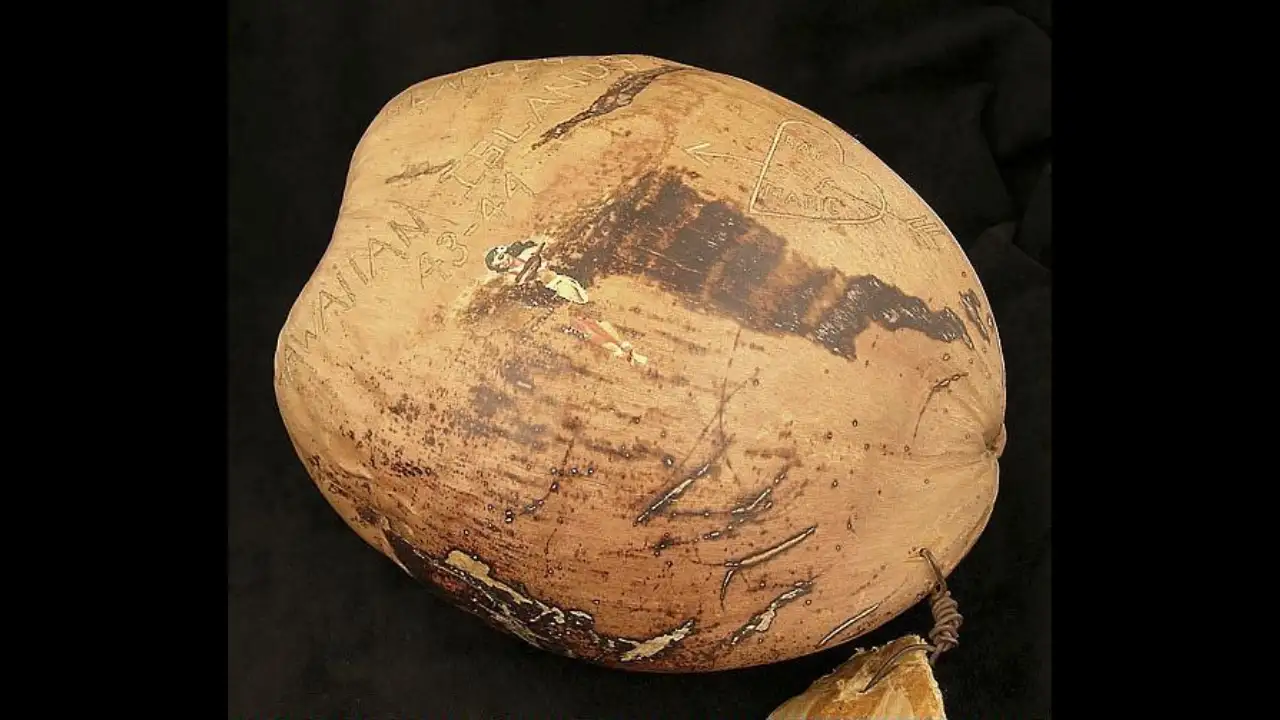
Because of its bright red colour and intoxicating taste, not only do they look like little red hearts, their history dates back to Ancient Rome where it was considered the symbol of Venus, the goddess of love,. Strawberries are popularised as one of the most romantic fruits in the world. But, what if I tell you, one of the most romantic stories is that of coconuts? Marie Boudet had received mail. Surprisingly, she found a coconut. It was sent by her husband, Raymond, who was currently a US Navy serviceman stationed in Hawaii during the Second World war. A closer inspection led her to discover something heartwarming. Carved into the back of the giant seed pod was a heart pierced by an arrow, with the names Ray and Marie nestled inside it. Coconuts, however, have enjoyed a much longer postal career. Sending an unwrapped coconut through the mail remains legal, making it something of a novelty in the Hawaiian Islands. Tourists can still send coconut postcards to friends and family on the mainland, often with a little message and a wish-you-were-here sentiment carved or written onto the fruit. Unlike the usual postcard that gets tucked away in a drawer, these tropical souvenirs arrive with their own natural packaging. They are also considerably harder to mistake for junk mail. Image Courtesy: Smithsonian Magazine Raymond’s unusual love letter eventually found a home in the collection of the Smithsonian’s National Postal Museum. When Marie donated the coconut, she included a note about the keepsake and the marriage it represented. Marie reflected on how the coconut had survived for so long, much like their relationship, which had weathered the distance and uncertainty of wartime. There is something rather lovely about ordinary things becoming the ones you cherish the most. Raymond’s coconut travelled thousands of miles, carrying a small declaration of love from a serviceman stationed overseas to his young wife back home. More than half a century later, it was still around to tell their story. Strawberries may have the reputation, but perhaps coconuts deserve a little recognition in the romance department, too. You use AI every day. Now get your AI Quotient. Take the AIQ test.
US Midterm Election Results 2026
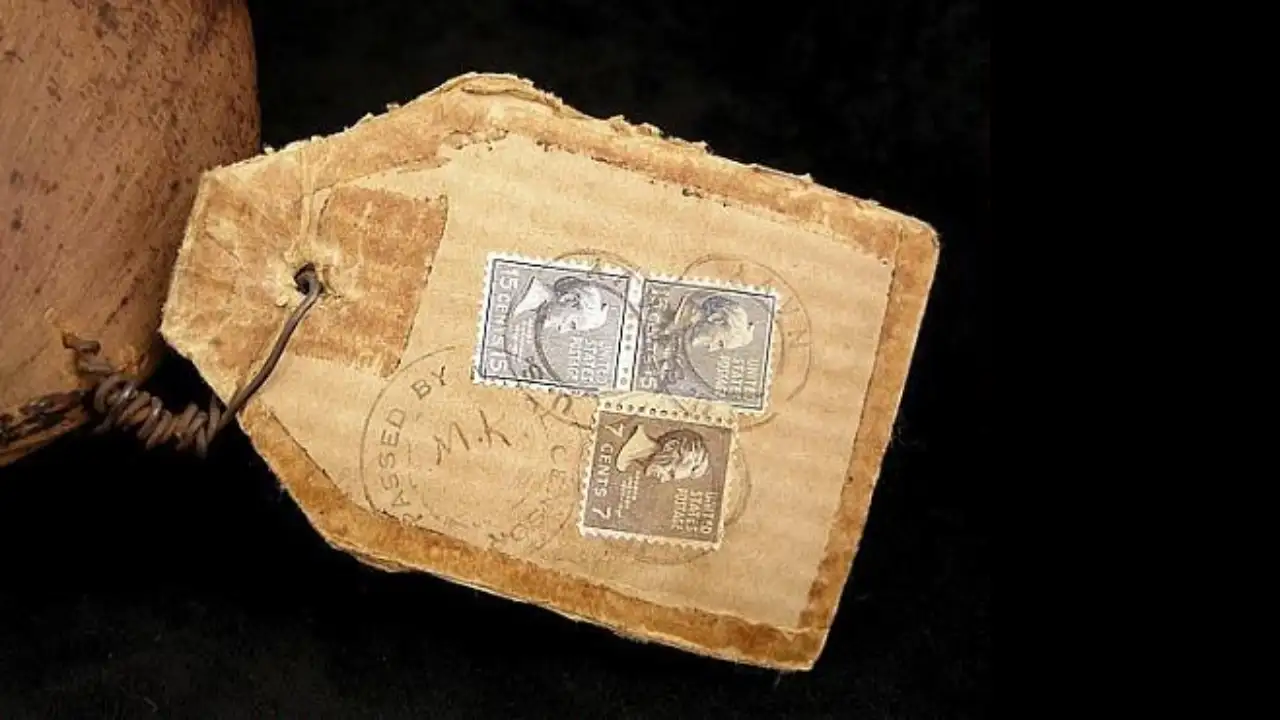
US election results: Flooding forces relocation of 21 polling sites in Florida US House election: Democrats need 3-seat gain to end Republican majority US Senate election: Can Democrats flip the Senate as Trump faces crucial test? The message was accompanied by another inscription, marking the Seabees’ presence in the Hawaiian Islands between 1943 and 1944. The postage cost 37 cents and was canceled by the U.S. The stamps are from the 1938 Presidential Series: a seven cent Jackson and two fifteen cent Buchanan stamps. Since the introduction of parcel post in 1913, people have found rather creative ways to use the service, mailing everything from food and animals to objects that would otherwise seem entirely unsuitable for a postman’s bag. The baby weighed just under the parcel limit, and his journey cost his parents only 15 cents.
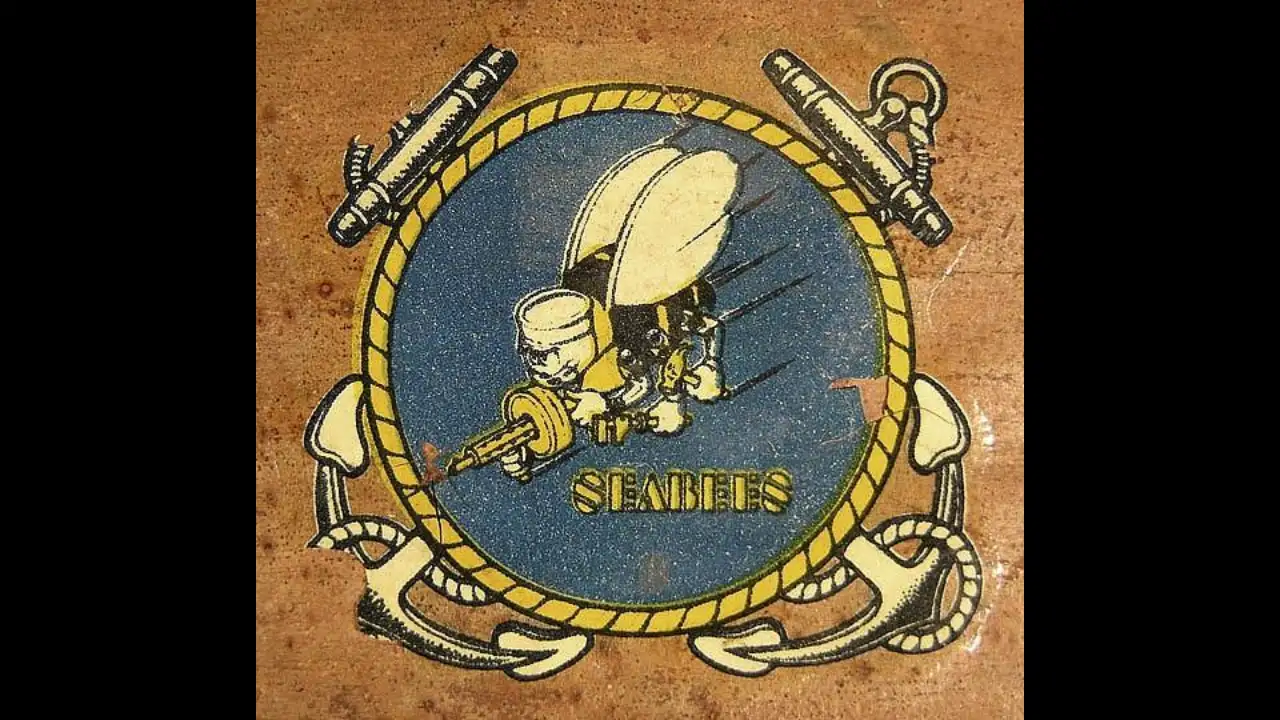
Because it was cheaper than purchasing a train ticket, in one well-known incident in 1913, an Ohio couple sent their eight-month-old son to his grandmother through the mail. Regulations prohibiting the mailing of people were introduced soon after, putting an end to what was perhaps the most literal interpretation of special delivery. A paper decal of a hula girl playing the ukulele added a rather tropical touch to the love letter. Image Courtesy: Smithsonian Magazine The front of the coconut was addressed to Mrs R. Boudet in Springfield, Massachusetts. Raymond had even attached the postage tag himself, wiring it to the fruit before sending it off. Navy, the Navy Censor, and the U.S. Department of Agriculture. Its return address indicated that the coconut had travelled by naval ship, through the Fleet Post Office in San Francisco, California, before making its way to his wife. Image Courtesy: Smithsonian Magazine Raymond was a member of the 99th Naval Construction Battalion, Company A, popularly known as the Seabees. These construction battalions were responsible for building and repairing naval aviation bases, shore facilities and other military infrastructure during the war. Their insignia, depicting a bee holding construction tools and surrounded by anchors, was also affixed to Marie’s coconut. Raymond spent around a year and a half stationed in Hawaii before being deployed to the Philippines, on the island of Samar. His battalion was tasked with building a hospital camp in preparation for treating wounded American soldiers who might return from a potential Japanese invasion. With much of his time spent away from home, the coconut was a rather unconventional way of sending a little reminder of himself across the Pacific. It was neither conventional, nor was it a particularly easy object to slip into an envelope. But then again, love letters need not always follow postal etiquette. Sending unusual objects through the postal service is hardly a modern phenomenon. In fact, the postal service was once even used to send children.