(Image credit: Canva AI)
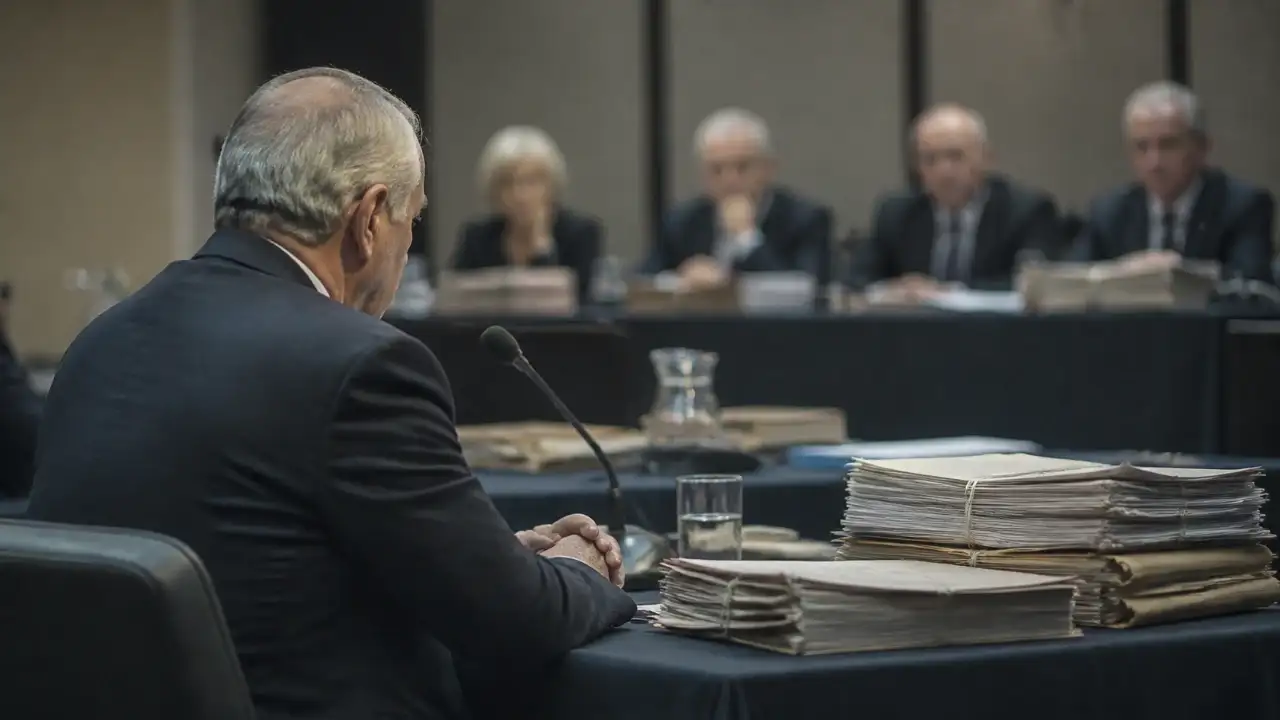
Chaired by High Court judge Dame Janet Smith, the first reported victim dates back to 1975 with the killings having continued until June 1998, according to the first report of the Shipman Inquiry . However, it was the death of an 81 year-old woman, Kathleen Grundy, that eventually caused suspicion. Grundy, a former mayor of Hyde, was found dead at her home on June 24, 1998.
The inquiry therefore went only to examine not only Shipman’s actions but also the institutions that had failed to recognise the warning signs , the false note keeping of the patient records and the issuance of death certificates and a major one being the permissions granted for cremation. But Woodruff believed the document was forged and first reported it to the police. His crimes stretched across several medical practices, beginning in Todmorden, West Yorkshire, where he worked after qualifying as a doctor, and continuing in Hyde, Greater Manchester, the final location of his crimes. His victims were predominantly elderly women, although men and younger patients were also among those he killed. The inquiry established that his usual method involved administering a lethal dose of an opiate, most frequently diamorphine, a drug also known as heroin that has medical uses as a powerful painkiller. In many cases, the deaths appeared to be natural, making it difficult for families and authorities to recognise a pattern. The fact that Shipman was a practising doctor also meant that his presence at the time of death was not, by itself, considered unusual. Her daughter, Angela Woodruff, a solicitor, became suspicious when she discovered a will supposedly made by her mother, which named Shipman as the sole beneficiary of her estate.
For more than 200 patients, what began as an ordinary consultation with a trusted family doctor would end in a horrifying crime. Harold Shipman, a general practitioner who worked in England for nearly three decades, was convicted of murdering 15 patients in 2000. But as investigations progressed, what was revealed was far too ghastly: Shipman was found to have been responsible for the deaths of at least 215 of his patients, with the final public inquiry estimating that the figure could have been around 250.
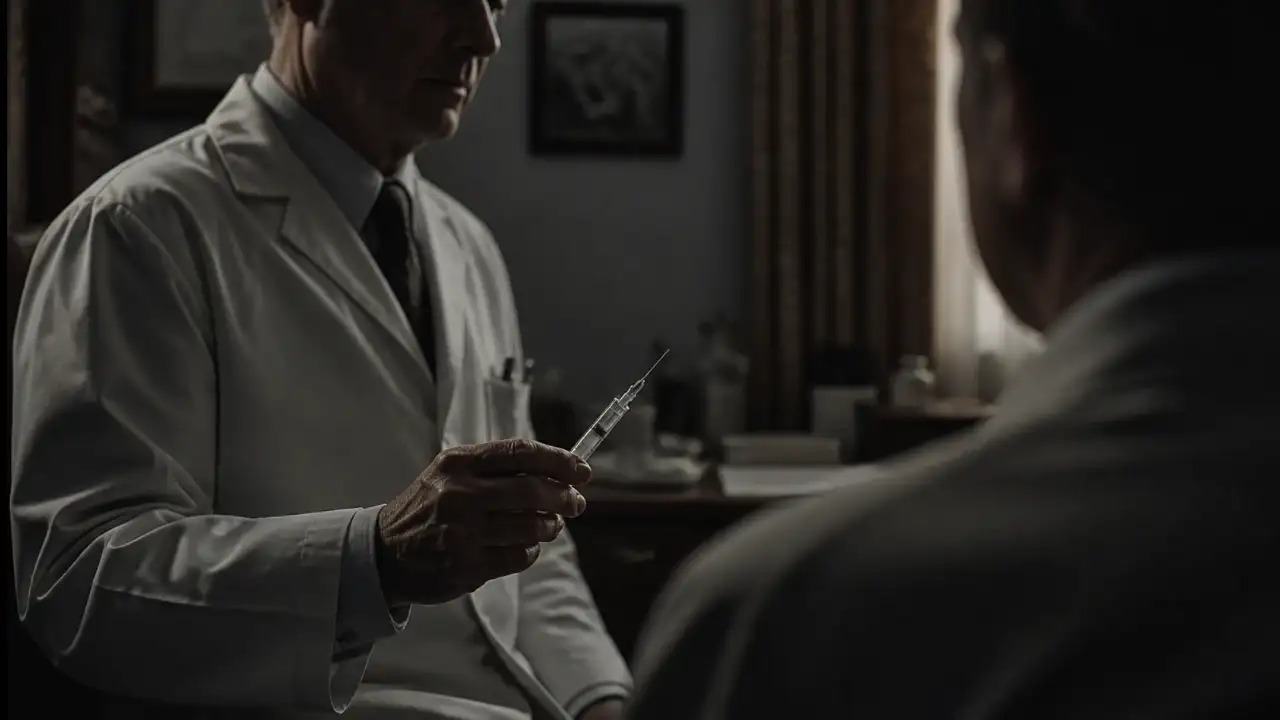
A doctor with an injection is there to protect you. But what happens if the injection turns lethal in the same hands of a doctor, and no less than someone trusted enough to be your family doctor. To his regular patients, Shipman was not a face you forget, but in fact a face that you like. As a family doctor, he had access to the patients’ homes, where he was often called upon to treat elderly people and made medical judgements that were rarely ever questioned at the time. Shipman was not an unfamiliar face to the people who visited his surgery. As a family doctor, he had access to patients in their homes, was often called upon to treat elderly people and was in a position where his medical judgement was rarely questioned.