
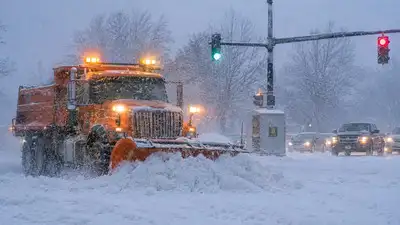
Representative image of a snowplough clearing a city junction during a storm, a scene like the ones Utah’s connected-plough test was built for. Image Credits: ChatGPT
The state tested connected snowploughs on 5 winter corridors around Salt Lake City, according to the US Department of Transportation’s ITS Deployment Evaluation . Equipped routes showed greater reductions in crash rates, up to 3.87, than matched routes, 1.82, both measured in crashes per million vehicle miles travelled. The field trial ran from October 2019 to March 2020.
The speeds of the ploughs themselves didn’t change, partly due to differences in snowfall and how fast the ploughs can go. Snowplough drivers also anecdotally reported that ploughs stopped less often and that the system was a help overall. Anyone who has crawled through a snowy morning commute probably knows how one red light can slow things down, even for the trucks sent to clear the road. Utah decided to try a fix. Each of the five equipped corridors was paired with similar roads without the technology, and the data was collected on the same snow days on both. Why the results need careful reading The numbers are encouraging, but they don’t prove that technology alone is responsible for the decline. The study added crash analysis after the original plan. The authors say some data sets had little data, so statistical significance was unclear. They also note their findings do not account for the full benefits of the system. The weather, the traffic, and driver behaviour all change from one winter to the next.
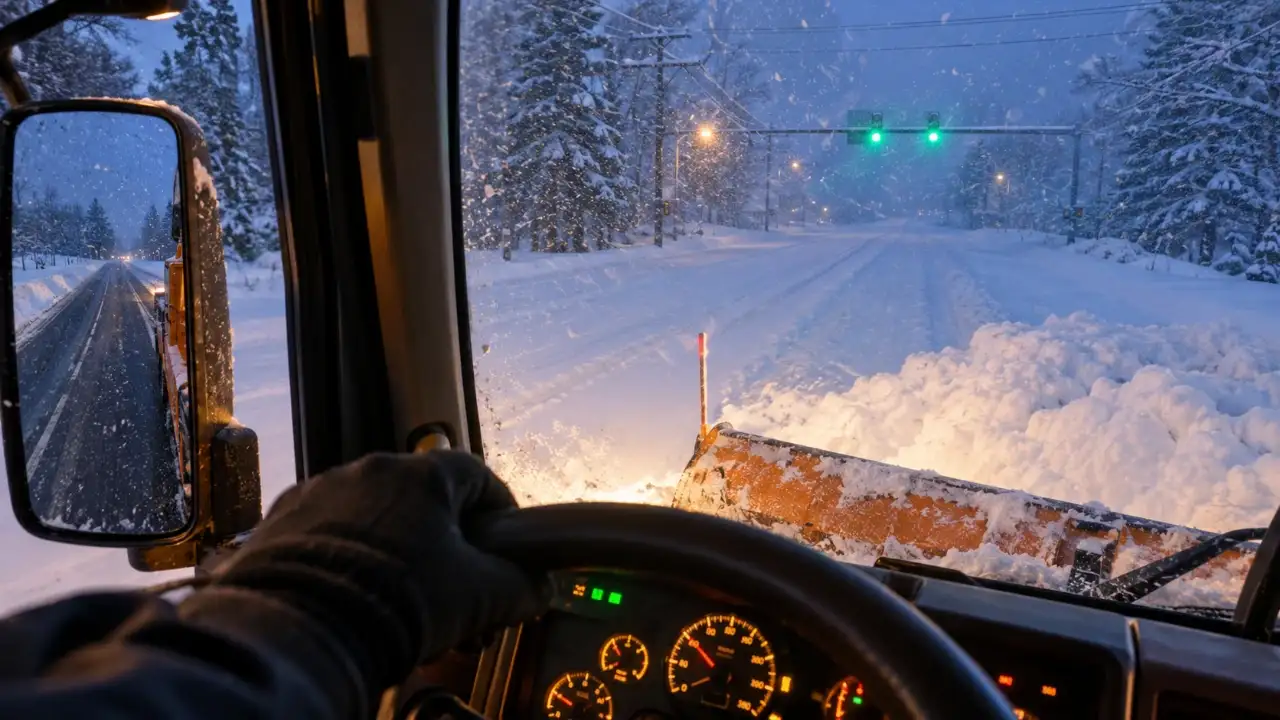
The US Federal Communications Commission has since turned its attention to cellular V2X, the report says. There’s reason to worry about winter crashes. The research the team reviewed found crashes were more likely the longer it had been since a plough last passed, so keeping ploughs moving matters. Utah’s test hints at a possible benefit, and the authors recommend more research. The test used a radio standard known as dedicated short-range communications. For now, Utah’s field test offers a measured early glimpse into how connected snowploughs could help make winter travel safer.