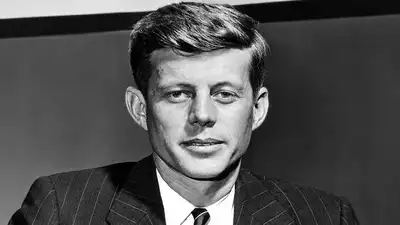
John F. Kennedy in a black-and-white portrait. Image credits: Wikimedia Commons
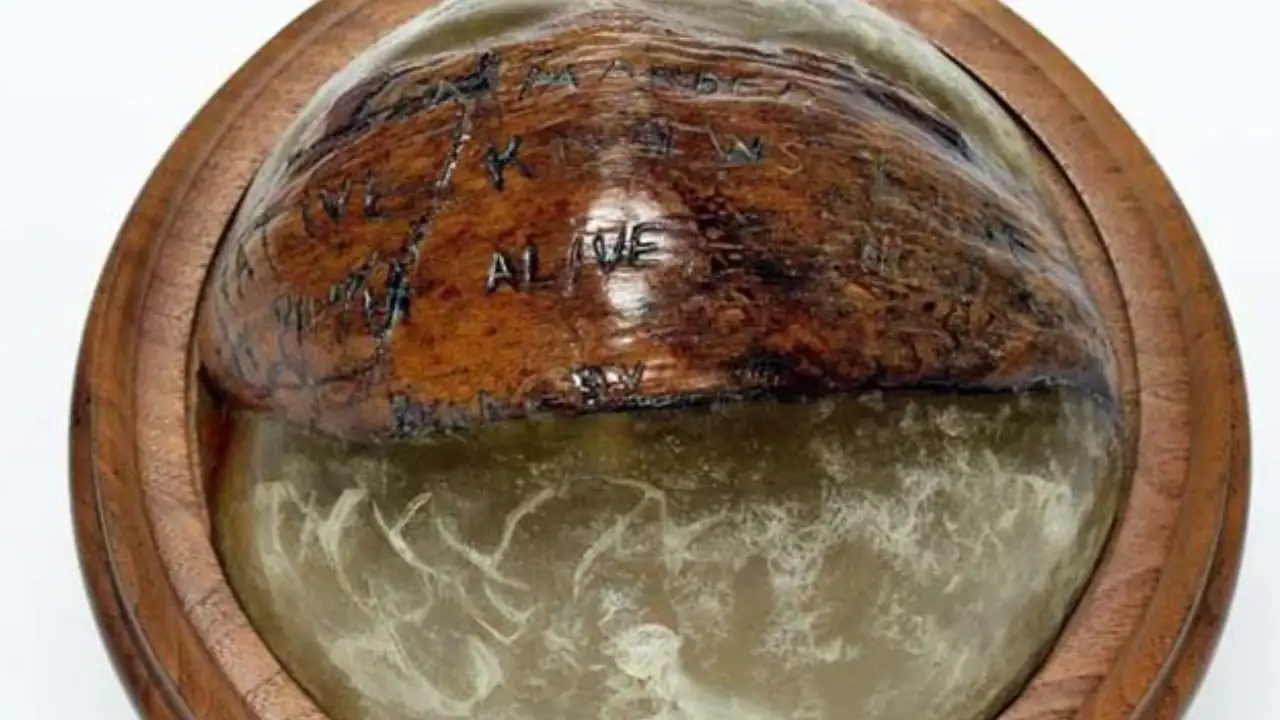
In August 1943, his patrol torpedo boat was hit by a Japanese destroyer, causing him and his men to be stuck in the water. All 11 survivors, Kennedy included, were rescued, thanks to the coconut. Kennedy took command of the motor torpedo boat PT-109 on April 23, 1943, according to the U.S. This note gave information regarding the exact location, stated that there were 11 men still alive, and that there was a man who would help in navigating a boat around the area. The note said, “NAURO ISL… COMMANDER… NATIVE KNOWS POS’IT… HE CAN PILOT… 11 ALIVE… NEED SMALL BOAT… KENNEDY. This was his own memento of the events that happened in 1943 with the help of Gasa and Kumana.
The Story of PT-109 Still Captivates,” Gasa suggested using a green coconut husk; the two islanders delivered Kennedy’s message and Kennedy and Ross had earlier tried and failed to find American patrol boats, according to the National Archives article “Sixty Years Later. A small coconut shell became an unusual reminder of one of the most difficult experiences in John F. Kennedy‘s World War II days. Before becoming the 35th President of the United States, Kennedy was a US Navy officer who operated in the Pacific during World War II. As help seemed impossible, Kennedy and his men needed to come up with something in order to reach the Allies. A man from the nearby island suggested that they use a coconut husk for writing the message. Kennedy wrote their story on the coconut and it was delivered to the Allies by two Solomon islanders. Later on, Kennedy placed the coconut in a wooden and plastic holder and used it as a paperweight in his office. Navy History and Heritage Command. The boat served in the Solomon Islands, where the US forces aimed to prevent Japanese vessels from delivering supplies to the Japanese soldiers in the area. Such an operation carried out by the Japanese was called the Tokyo Express. Kennedy put a note on the shell of the coconut. Gasa and Kumana delivered the coconut to the coastwatchers from the Allied side. Lieutenant A. Reginald Evans, who happened to be posted in the area, received the message. The message gave the coastwatchers the information they needed. The coconut message stayed with him, even after being rescued. Later on, Kennedy preserved the coconut shell inside a wood and plastic case, which was used as his paperweight on his desk at the Oval Office when he was the President. The National Park Service’s account of Kennedy‘s World War II service includes a photograph of the preserved coconut and confirms that he used it as a paperweight in the Oval Office.