

A bighorn ram, the species at the centre of New Mexico’s Peloncillo transplant story. Image Credits: Pexels
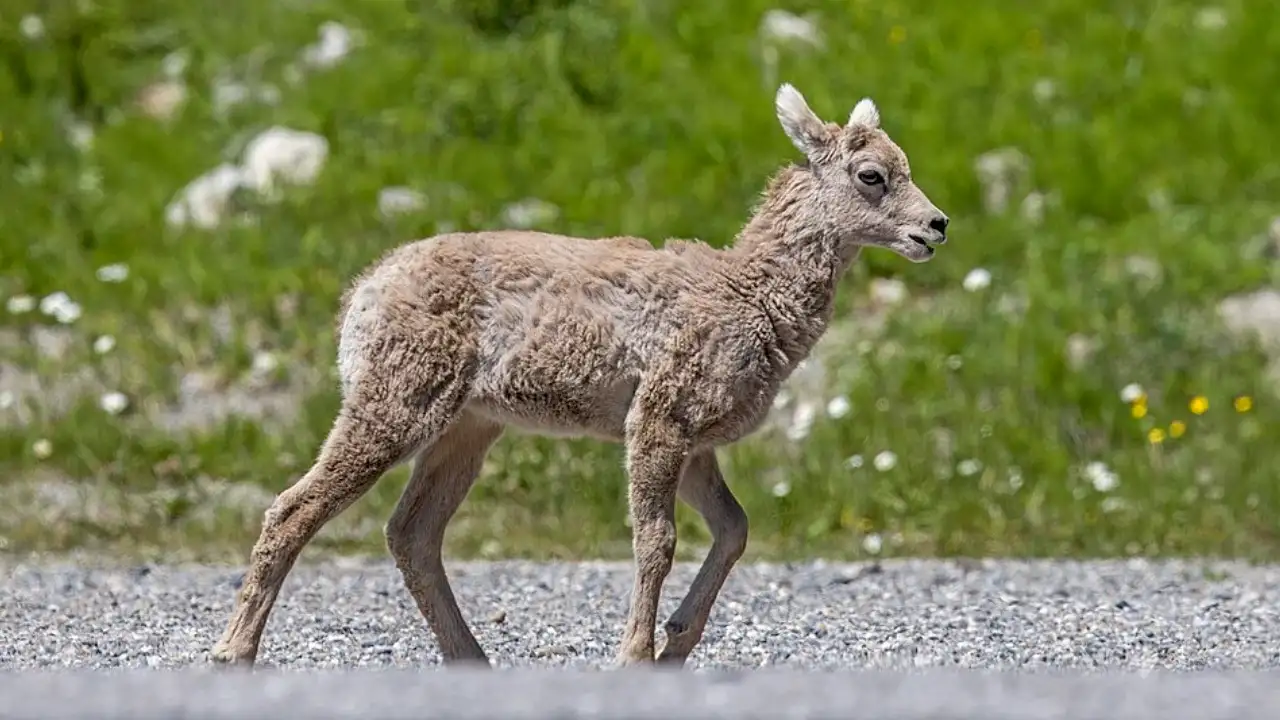
In January 1991, biologists set up an experiment. They released six radio-collared rams from Red Rock into the Peloncillos and monitored them until 30 June. Except for one ram, all met the existing herd of 38 sheep, a count higher than the fall 1990 estimate of 30.
Because of low lamb survival in the southern Peloncillos, with the ratio of 35 lambs to 100 ewes, she also said the herd was still not increasing. No clinical signs of pneumonia were observed in any of the sheep, including lambs, and all the released rams were alive at the end. The main objective was to see whether the resident lambs and the new rams contracted clinical pneumonia from the Arizona sheep already present in the flock. The researchers predicted that rams would die within four months if pneumonia was still active, based on the deaths of the early 1980s. They didn’t. Fisher wrote that the herd was presently considered clinically free of pneumonia. This suggested that there could be other problems. What later research adds
Fisher’s report does not say that domestic sheep were involved in the 1981 deaths, so this research is background on how the disease works, not an explanation of what went down in the Peloncillos. Padilla and colleagues published in Ecosphere in 2025 shows that from 2007 to 2022 the team had sampled 466 bighorn sheep from 19 New Mexico populations. The ratio of young sheep to adult females fell by 20% to 69% in the seven populations where it declined, and the drop was seen in both desert and Rocky Mountain populations after exposure to the bacterium. The germ that caused the 1981 deaths isn’t named in Fisher’s report, so we can’t tell if it was the same bacterium.
Frances Cassirer and team, in the Journal of Wildlife Management , reports of pneumonia outbreaks in wild bighorns due to contact with domestic sheep have been supported through captive tests.
‘Pneumonia in Bighorn Sheep: Risk and Resilience,’ by E, according to the review. It says that a bacterium known as Mycoplasma ovipneumoniae, which is regularly found in healthy domestic sheep and goats, seems to be the main source of the disease. More recent studies have provided insight into why contact between sheep is so dangerous. The review also notes that once a bacterium enters a bighorn population, it can remain there for decades. A more recent study by Colton J. The authors suggested that these herds may be limited by lamb survival. Later studies showed that contact followed by illness is a known risk, and that it can have lingering effects in a herd.