
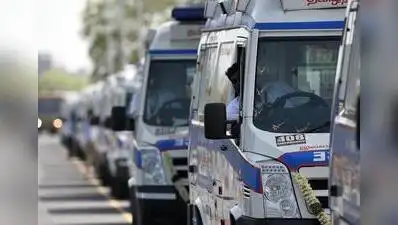
Photo B A Raju
Chennai: Callers to the 108 emergency ambulance service will no longer have to explain where they are. Officials say the change could cut response time – the time an ambulance takes to reach a patient in crisis – by up to three minutes. Ambulances are placed in hotspots, high-accident grids or areas with a high number of emergency calls, but return trips from some of these places can take longer.
A German resuscitation registry analysis of 10,853 cardiac arrest patients, published in Deutsches Arzteblatt International in 2018, found the chance of survival fell 5% for every extra minute the ambulance took to arrive. A PLOS Medicine study of 24,365 trauma patients in Japan, Korea, Malaysia and Taiwan found no link between longer pre-hospital time and death within 30 days, but each 10-minute delay in total pre-hospital time raised the odds of a poor functional outcome at discharge by 6%.
We are doing what we can to reach the patient early and reduce overall transport time,” he said. “We may not be able to intubate the patient at the nearest hospital, as the emergency rooms may not be equipped. Faster ambulances matter most in cardiac arrest and severe injury, studies show.