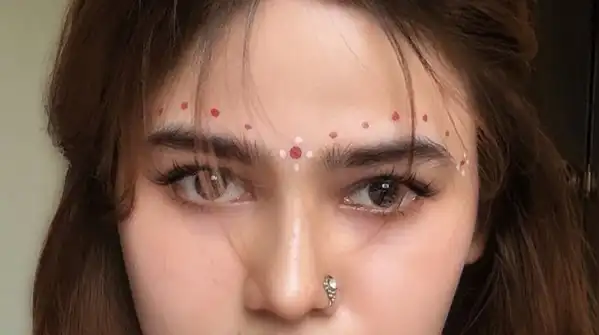
In India, kumkum has been applied on the forehead while performing pujas, festivals, marriages, and everyday rituals for centuries. It can be put inside temples, applied during prayers, worn with traditional accessories, or even put on someone else’s forehead as a blessing. It is made by using turmeric powder with slaked lime, where the chemical reaction involved is interesting, as curcumin is yellow in colour, but under neutral or acidic conditions, it turns red.
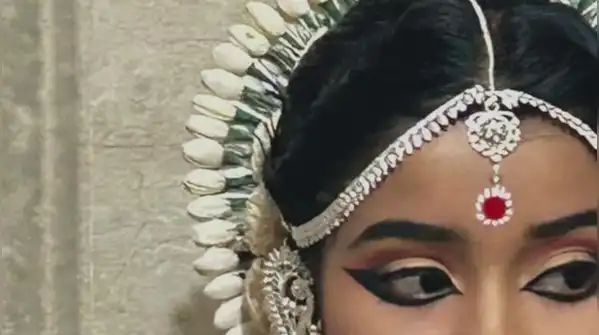
The forehead has always been an important part of Indian culture and traditions, where kumkum is usually applied in the centre but also takes different forms depending on the culture and rituals being followed. It is mentioned that in Indian culture, kumkum was mainly popular among men, especially priests and other devotees wearing it for tapasyas and religion-related activities. It was not a beauty element, but over time, women started wearing it for devotional purposes, which then became an everyday mandatory touch.