
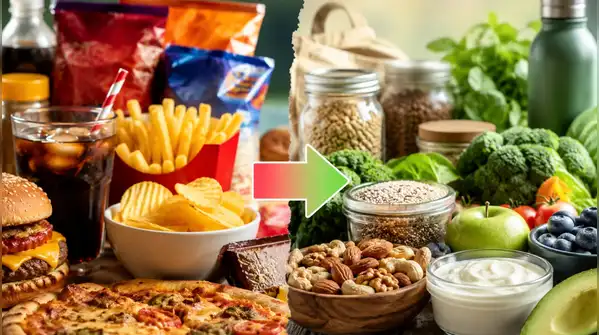
A 2026 healthy-snacking survey covering more than 6,000 respondents found that 86% considered protein important when choosing snacks, while 62% prioritised clear ingredient information. Here are 10 foods seeing growing interest in India in 2026, and what they are gradually pushing aside. The Indian grocery basket is quietly changing. The shift is not necessarily about abandoning traditional food, but about buying familiar ingredients in newer, more functional forms. Protein, gut health, cleaner labels, convenience and better-for-you snacking are increasingly influencing what lands in shopping carts . That explains why some foods that were once niche, expensive or associated with fitness shelves are moving into everyday kitchens.
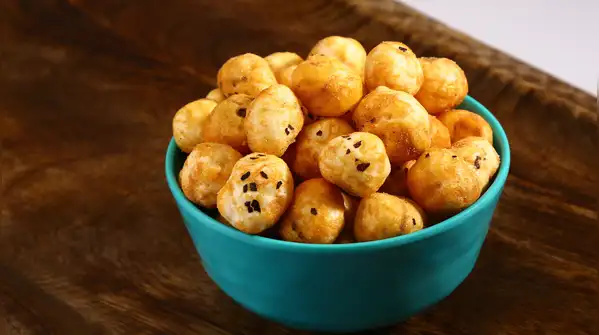
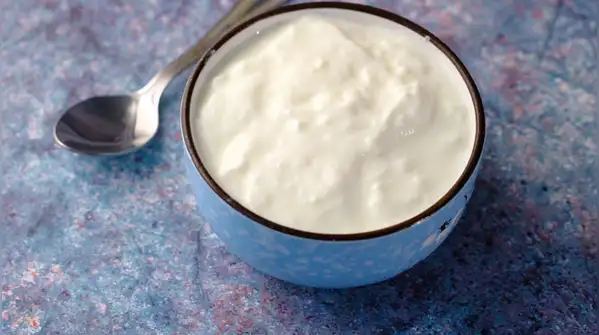
Makhana has gone from fasting food to everyday snack. Roasted, flavoured and packaged in increasingly elaborate varieties, foxnuts are now a common alternative to fried namkeen and potato chips. Their appeal lies in the combination of crunch and a health-food image, particularly as Indians look for snacks with protein and fibre. The replacement – Potato chips, bhujia and fried namkeen, especially for between-meal snacking. The humble yoghurt category is becoming more protein-conscious. Greek-style yoghurt, strained yoghurt and high-protein versions are increasingly finding space in urban refrigerators, helped by the broader shift towards protein-rich everyday foods. The replacement – Sweetened flavoured yoghurt and dessert-like dairy snacks. Almonds, walnuts, pumpkin seeds, sunflower seeds and mixed-seed packs are increasingly being treated as everyday snacks rather than ingredients reserved for festive cooking. Their association with protein, healthy fats and fibre fits neatly into India’s increasingly nutrition-conscious snacking culture. The replacement – Cream biscuits, cookies and other routine tea-time packaged snacks. Quinoa remains a relatively premium purchase, but it has found a place in salads, bowls and meal-prep menus. Its appeal comes partly from its reputation as a protein-rich grain and partly from the growing popularity of customised bowl-style meals. The replacement – Plain white rice in some health-focused lunches and dinner bowls, rather than rice disappearing from Indian kitchens altogether.
The biggest change in 2026 may not be that Indians are suddenly eating completely different foods. It is that the reason for buying food is changing. A snack now needs to be crunchy, convenient and preferably protein-rich. A drink is increasingly expected to offer something beyond taste. Breakfast has to be quick but filling. Even traditional ingredients such as makhana and millets are being repackaged around modern ideas of wellness.