
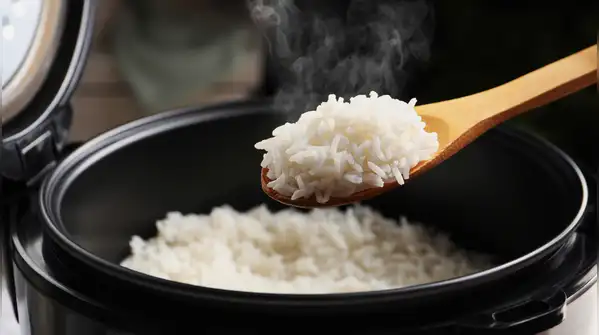
The reason is not simply that the rice has “lost moisture”. Reheating it often seems to make things worse. A natural process called starch retrogradation changes the texture of cooked rice as it cools, making it firmer and less fluffy. The good news is that refrigerated rice can usually be revived with the right combination of moisture and heat. Scroll down to read more.
There is something uniquely disappointing about opening the refrigerator, finding yesterday’s perfectly cooked rice and discovering that it has turned into a dry, clumpy mass.
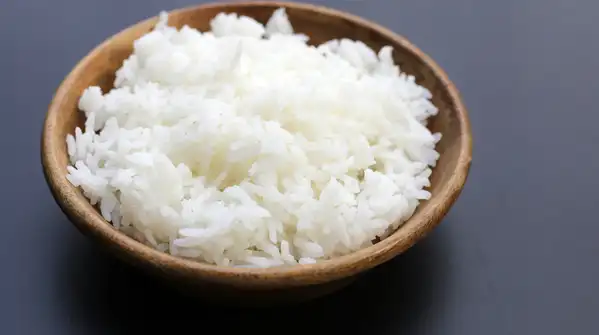
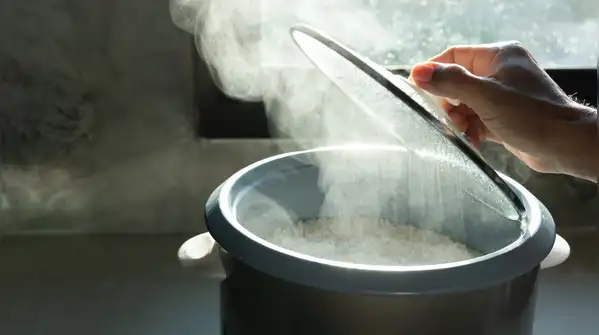
Because it traps steam around the grains instead of allowing the water to evaporate immediately, covering the rice is important. Because they are less likely to turn mushy when tossed with vegetables, seasoning and oil, slightly drier grains can actually work well for fried rice. The microwave can actually be one of the best methods for restoring leftover rice, provided you prevent the moisture from escaping. Transfer the rice to a bowl and separate the grains as much as possible. Add a splash of water, cover and heat in short intervals, stirring or fluffing between them. Heat it until it is steaming hot throughout, particularly if it has been refrigerated. Sometimes the smartest way to rescue dry rice is not to make it taste exactly like freshly cooked rice, but to give it a new purpose. Use it for fried rice, lemon rice, curd rice, pulao or rice cutlets, depending on the texture and ingredients available. Texture is only half the story with leftover rice. Cooked rice can contain Bacillus cereus, a bacterium whose spores can survive cooking. If cooked rice is left at room temperature for too long, bacteria can multiply and produce toxins that reheating may not destroy. For this reason, refrigerate leftover rice promptly rather than leaving it sitting out for hours. When reheating, make sure it is steaming hot throughout, and only reheat the portion you plan to eat. So, that hardened container of rice in your refrigerator is not necessarily destined for the bin.
A little water, trapped steam and the right reheating method can bring much of its softness back, while a quick transformation into fried rice or another dish can give yesterday’s leftovers an entirely new life.