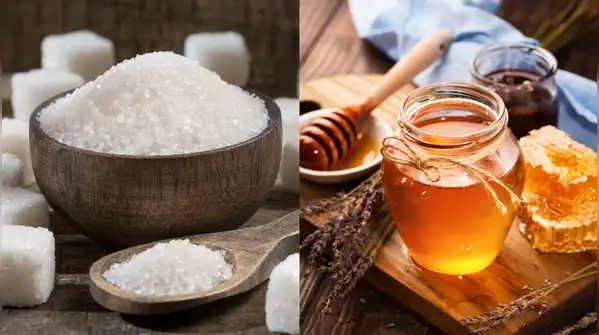
The price has shot from Rs 50 per kg to Rs 58 per kg and is also expected to rise further to Rs 61, according to APMC traders.
The retail price of sugar has risen by a shocking eight rupees per kg this week in parts of Mumbai, according to the latest report. The sharp rise is driven by lower availability for domestic consumption and higher demand ahead of the festival season, according to a TOI City report. Sugar is an integral part of the daily diet of Indians. From tea and coffee to sweets and desserts, this sweet condiment not only adds flavour to dishes, but also contributes to the caramelized hues of the dish. But suddenly, the spike in the retail price of sugar has shocked people across states. Keeping the rising prices in view, here we have listed nine natural Indian sweeteners that can be added to the Indian pantry and the right way to use them.

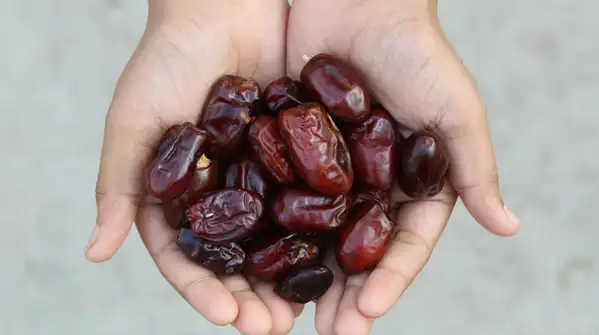
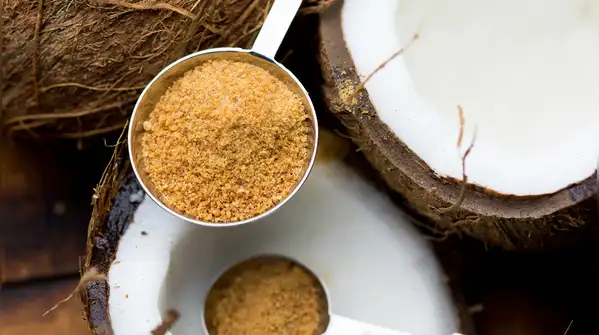
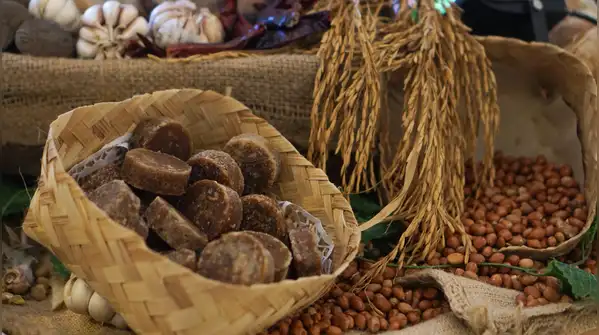
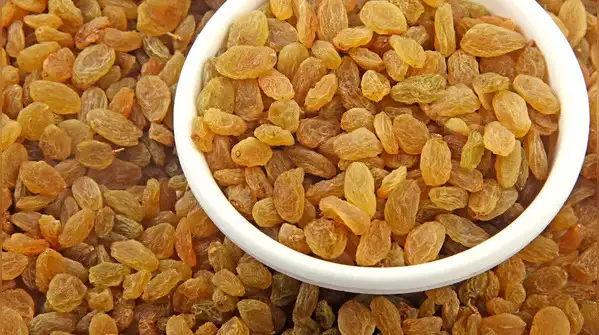
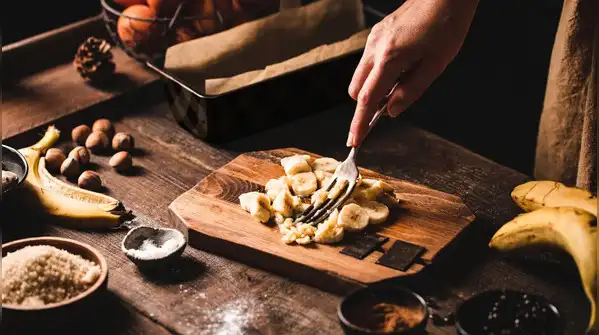
Also known as gur, it is one of India’s most familiar traditional sweeteners and is made by concentrating sugarcane juice or, in some regions, palm sap, it has a deep, caramel-like flavour. How to use: One can simply replace sugar with jaggery in all Indian sweet dishes and also in chai, coffee, chutneys, marinades and savoury dishes that need a touch of sweetness. It is a natural and Ayurveda-approved sweetener that has long been used in Indian households. Its floral flavour varies depending on the flowers from which bees collect nectar. How to use: It can be drizzled over curd, fruit, porridge or toast. It can also be added to homemade salad dressings and marinades. They are naturally sweet and rich in sugars and have a soft, sticky texture that makes them particularly useful in desserts. They can provide sweetness along with fibre and minerals. How to use: They can be soaked and then blended into paste or puree and used as a sweetener in desserts, sweets, smoothies, milkshakes and energy bites. This is made by concentrating dates into a thick syrup, date syrup offers a convenient way to add fruit-based sweetness. How to use: One can use the syrup as a topping for pancakes, dosa, porridge or yoghurt. It can also be stirred into smoothies or used in sauces and homemade desserts. It is produced from the sap of coconut palm flowers and has a mild caramel flavour, which can be used in place os regular sugar. How to use: One can substitute it for sugar in tea, coffee, baked goods and desserts. It can also be used in recipes such as granola and homemade snack bars. They are simply dried grapes but their concentrated natural sweetness makes them a useful ingredient that can be used in place of sugar. How to use: All you need to do is, soak and blend raisins into homemade sweet sauces or chutneys, or add chopped raisins to porridge, yoghurt and desserts. These are dried figs, or anjeer, and have a naturally sweet, slightly nutty flavour and chewy texture. They can be used for sweetness in place of sugar. How to use: Soak dried figs and blend them into smoothies or dessert mixtures. Fruits like ripe banana, mango, and chikoo can provide sweetness without requiring additional refined sugar. They can be used in place of sugar in desserts and sweets and even cakes and cookies. How to use: Mashed banana can sweeten oatmeal, pancakes and homemade baked goods. Ripe mango or chikoo can be blended into yoghurt, smoothies and desserts.