
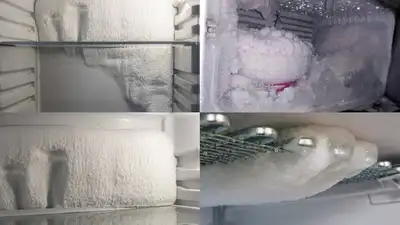
Opening the fridge to find water droplets clinging to the shelves, or worse, a small puddle sitting under the vegetable drawer, is one of those small household annoyances that quietly gets worse the longer it’s ignored. It’s worth knowing upfront that a little condensation isn’t automatically a problem; some moisture on the back wall or right after the door’s been open is completely normal and usually clears up within the hour. What actually signals trouble is condensation that keeps coming back no matter how often you wipe it down, soaks into food, or pools on shelves long after the door’s been shut. Here’s what’s actually causing it, and what genuinely fixes it.
Somewhere between 35°F and 38°F, roughly 2°C to 4°C, is generally considered the sweet spot, and it’s worth using an actual appliance thermometer to confirm this rather than trusting the dial alone, since dial numbers don’t always reflect the real internal temperature accurately. An incorrectly set fridge is a surprisingly common, easy-to-overlook cause. Setting it too warm means interior surfaces aren’t cold enough to keep moisture from condensing, while setting it too cold can cause excess frost buildup on the back wall that later melts during the defrost cycle and overwhelms the drainage system, creating its own moisture problem in the process.
Uncovered containers and freshly washed produce quietly contribute more humidity than most people realise. Fruits, vegetables, and leftovers naturally release moisture as they sit, and left uncovered, that moisture builds up in the surrounding air rather than staying contained. Wiping produce dry before storing it, wrapping leftovers tightly, and keeping food in airtight containers or sealed bags rather than open bowls all help keep that added humidity from ever becoming a problem in the first place. Most fridges rely on a small drain to carry away water produced during the automatic defrost cycle, and when that drain gets blocked with food particles or debris, the water has nowhere to go except pooling inside the fridge instead. If you suspect a clog, unplug the fridge first, then gently clear the channel with a pipe cleaner or thin wire. One thing worth specifically avoiding: don’t pour hot water directly into the defrost drain to try to melt a blockage, since manufacturer guidance warns this can actually cause internal damage to the appliance rather than fixing the problem. This is the one people rarely think to check. If a fridge isn’t sitting level, the internal drainage system can’t work the way it’s designed to, and water that should flow toward the drain pan instead pools at whatever the lowest point happens to be. Placing a bubble level on top of the fridge and adjusting the front levelling feet by a turn or two can restore proper drainage and meaningfully cut down on interior moisture, often solving a problem that seemed far more complicated than a simple tilt. Most fridge condensation problems trace back to one of these same few causes; working through them roughly in order- seal, temperature, food storage, airflow, drainage, and levelling- usually turns up the actual culprit without needing to call in help. Keeping food genuinely fresh really does start with keeping the inside of the fridge properly dry.