
fashion reiterates the use of Madras in South India or the design of the kimono in Japan While taking inspiration from various regions of the world. But if you give it a little thought, fashion elements are not merely aesthetic decisions, apart from being good-looking patterns, they also tell us a lot about history, trade, and crafts. Fashion loves a great story of revival, but if we talk more specifically, the trends that are called modern fashion today have long existed in Asian closets.
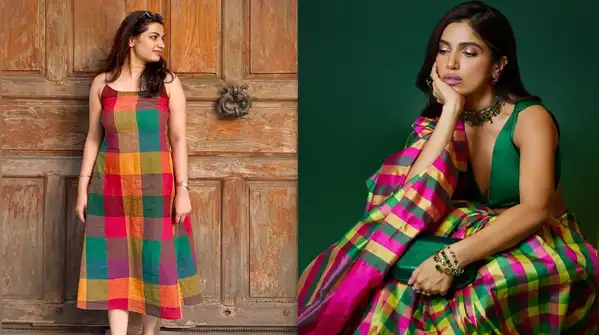
The term that best describes the garment is farshi, which means that the cloth sweeps the floor. These days, Madras checks are more often associated with colourful summer shirts, American preppy attire, and smartly dressed holidaymakers. Yet the history of Madras check fabric goes back to South India, specifically to the area of modern-day Chennai. Generally light and airy, Madras checks were made of cotton and ideal for the hot and humid climate. The first checked cottons were used locally for garments such as lungis and then travelled internationally. The fabric later made it to West Africa, the Caribbean, Europe, and the Americas. It attained its maximum popularity in the United States in the 1950s-1960s, when it got associated with Ivy League style and preppy fashion. The design of the kimono, which has a unique silhouette, has influenced fashion designers outside Japan, most notably during the Japonisme movement towards the end of the 19th century. Hence, Western fashion creators have researched the depiction of Japanese clothing and designs within their work, thus transforming the Japanese kimono into an essential part of Western fashion. This use of the kimono sleeve has a lot of advantages. They give freedom of movement, while a person does not have to wear tight clothing. A long time ago, before women adopted wide varieties of trousers and palazzos, people in South Asia knew how to create fabulous bottom-wear garments. One great example of the art of bottom wear is the farshi salwar that originated with the Mughal Empire. The sharara is another costume that displays flare at the leg or is divided. It was used in North Indian and Muslim royalty, depicting an architectural look.