
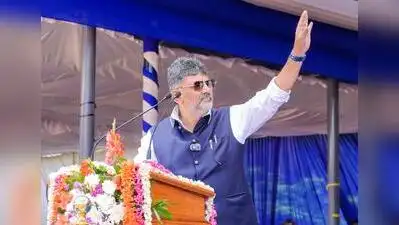
Political observers say the payoff for chief minister DK Shivakumar’s move could be substantial in the 2028 assembly polls if parents see transparent fee structures and a curb on add-on charges
Political observers say the payoff for Shivakumar’s move could be substantial ahead of the 2028 assembly polls if parents see transparent fee structures and a curb on add-on charges.
“If the sub-committee targets only a few high-profile schools while sparing politically connected institutions, it will quickly lose credibility,” Patil said. Chief minister DK Shivakumar ’s decision to set up a cabinet sub-committee, headed by health minister UT Khader, to examine private-school fees and wider education reforms could prove significant, political observers say, provided it produces action rather than another shelved report. Middle-class voters, they say, may forget many cabinet decisions — but they will remember who helped control what it costs to educate their children. But MN Patil, political commentator, points to an uncomfortable reality the reform must confront: Several politicians, across parties, own or have links to educational trusts and colleges.
Congress politicians are historically prominent in the sector.
The panel’s task, he said, is to build a transparent system distinguishing legitimate expenditure from profiteering, not merely announce a hike ceiling. He said while Karnataka need not replicate Delhi, it could adapt its principles. Vishwas Shetty, policy analyst, cautioned against a blunt fee cap, warning it could trigger litigation or hurt budget schools in smaller towns that cannot be equated with elite Bengaluru institutions. He cites Delhi’s experience under the previous Arvind Kejriwal govt, where school accounts faced scrutiny and legislation later mandated transparency and parent participation in fee fixation.