
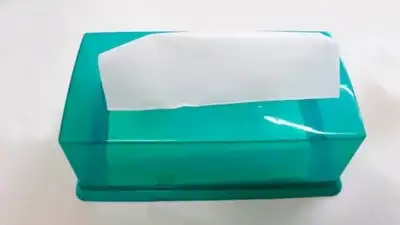
Every kitchen seems to have one, that overstuffed drawer or cupboard where plastic bags from the vegetable vendor, the grocery run, and the pharmacy all pile up together into a tangled, crumpled mess nobody wants to dig through. The average household ends up with hundreds of these bags a year, and short of throwing them straight into the bin, most people just let them accumulate into an ever-growing heap under the sink. There’s a genuinely clever fix hiding in something you’re probably about to throw away anyway, an empty tissue box, repurposed to dispense plastic bags exactly the way it once dispensed tissues, one at a time, no digging required.
The logic here is simple once you see it: a tissue box is already engineered for exactly this kind of one-at-a-time dispensing, with an opening specifically shaped to grip and release a single sheet while holding the rest back. Plastic bags, it turns out, behave remarkably similarly to tissues when folded correctly, thin, pliable, and just the right size to pop up through that same slot. Rather than buying a dedicated bag dispenser or a fabric holder, an empty box you were going to recycle anyway does the exact same job for free. This trick works best with thinner, slightly worn plastic bags rather than especially thick or stiff ones, since more pliable material folds and threads through handles far more easily. If a bag gets stuck on the way out, the box’s opening might simply be a touch too small, and gently widening the slit usually solves it. If multiple bags come out bunched together instead of one at a time, it usually means the weaving wasn’t pulled snug enough between each pair, so taking a little extra care while chaining them together pays off every time you reach in afterward.