

Jaaved and MJ
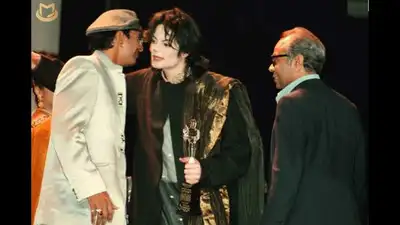
As Michael Jackson would have turned 68 on August 29, it is this shared understanding of performance that makes Jaaved Jaaferi’s memories of the King of Pop particularly fascinating — from discovering his music on VHS tapes to eventually sharing a stage with him in New York. Jaaved Jaaferi explains why Bollywood is bringing back big ensemble cast films like ‘Dhamaal 4’ and ‘Welcome To The Jungle’: ‘I suppose we are going back to the circus’ He remembers Off the Wall and Billie Jean as some of his earliest introductions to MJ. Because there was no access, “The first time I saw him was in the early 80s. Because indian television didn’t have that kind of access,” recalls Jaaved, we used to watch it at some friend’s house. So that was the first exposure to Michael Jackson and obviously we just loved what he was doing.
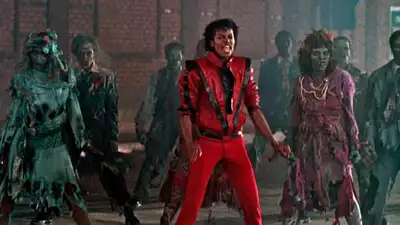
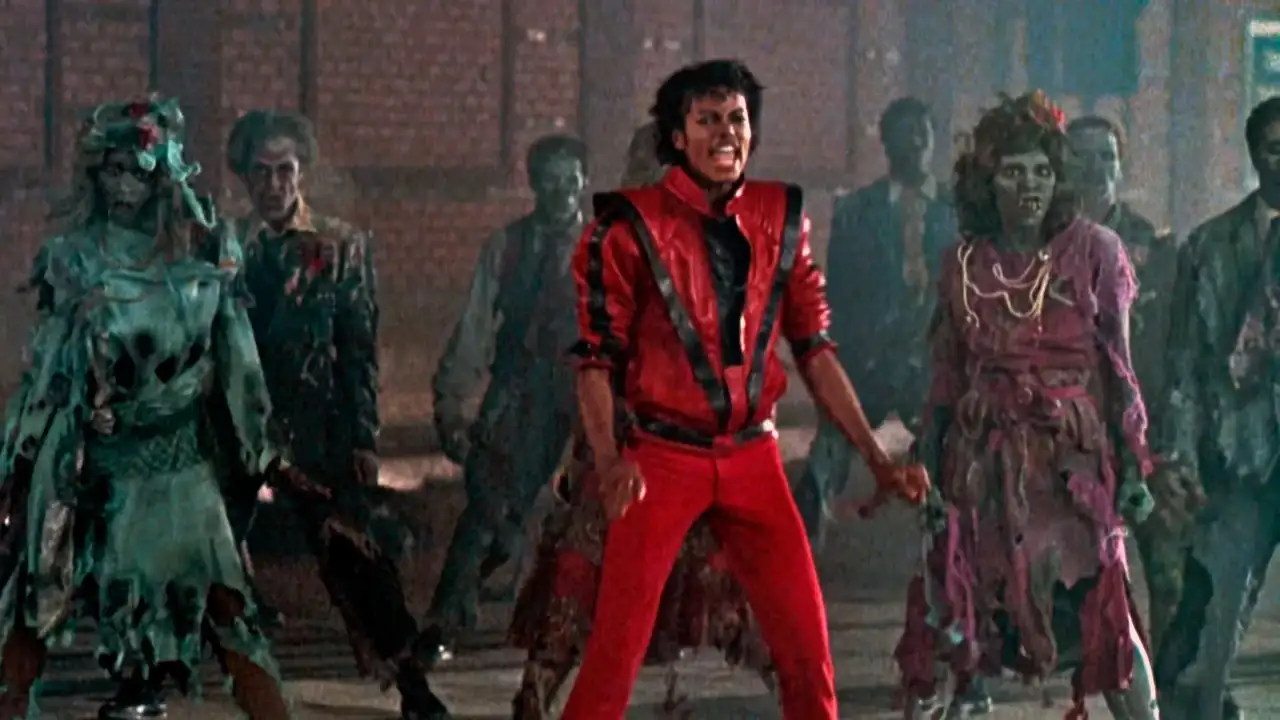
It was an added element to a performer, which somewhere he understood could give you an added advantage to quite a level,” he says. Jaaved Jaaferi Michael Jackson as a performer MIchael Jackson’s thriller Jaaved and MJ Jaaved Jaaferi Michael Jackson as a performer MIchael Jackson’s thriller Jaaved and MJ There is an interesting connection between Jaaved Jaaferi and Michael Jackson . Both understood dance not simply as choreography, but as a part of the larger language of performance. For Jackson, movement, music, costume, staging and storytelling came together to create a spectacle. For Jaaved, dance became one of the defining threads of a career that has moved from the stage to films, television and popular culture, from Meri Jung to Boogie Woogie and beyond. He was among the early faces to bring dance and breakdance into mainstream Indian entertainment, at a time when the form was still finding its place in the country. So when Jaaved talks about Jackson, he does so not just as a fan who grew up watching the King of Pop, but as a performer who understands the work that goes into making an audience remember what it has seen. His first glimpse of Jackson came in the early 1980s, when international music was still difficult to access in India. There was no YouTube, no streaming and no easy way of discovering an artist from the other side of the world. The only access we had was sometimes on VHS tapes, Top of the Pops or something. Then came Thriller, Beat It and the songs that would become part of the vocabulary of an entire generation. Jaaved and his friends were already into dance, and MJ’s videos gave them something new to watch, learn from and eventually perform themselves. “We used to perform in college on those songs and whatever little bit of the videos we had seen on VHS. What Jaaved saw in MJ was not simply a great singer who happened to be a great dancer. He saw someone who had understood the meaning of being a complete performer. “He was what we call a performing artist. He was primarily a singer, but dancing was like the cherry on top. Michael Jackson as a performer

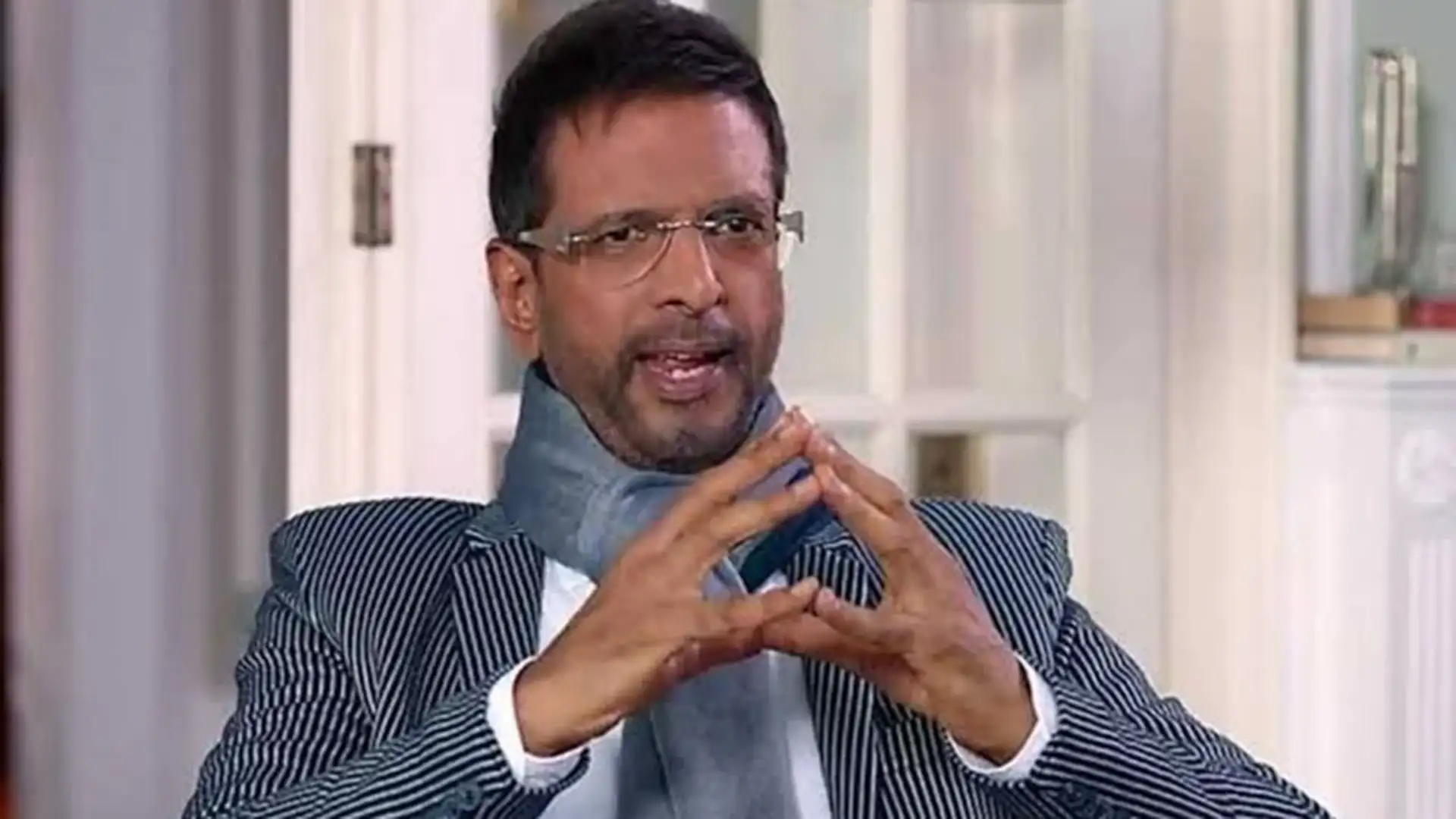

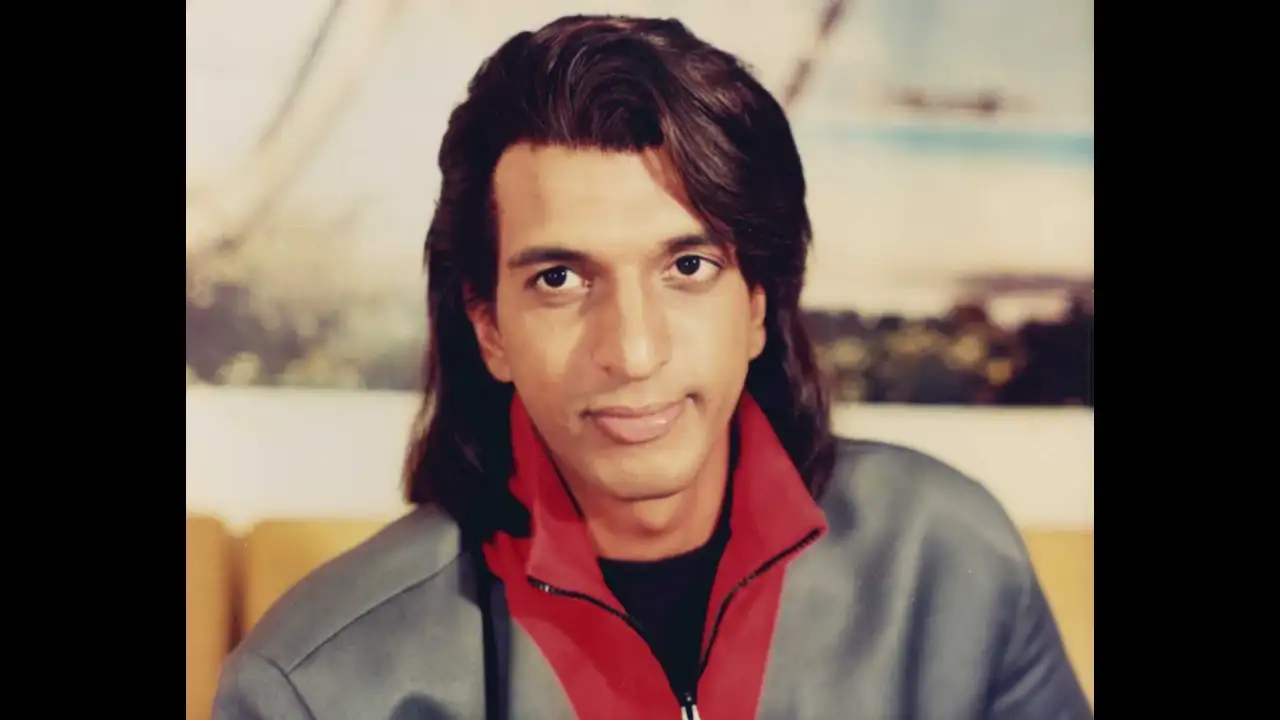
Young Jaaved Jaaferi in 100 days It is also why Jaaved believes Jackson’s legacy cannot be separated from the way his music was presented. He was among the first Indian television personalities to bring his own voice and personality to music television, and Boogie Woogie, which he hosted and judged from 1996, helped establish dance as mainstream television entertainment in India. “I have to give my 100%.
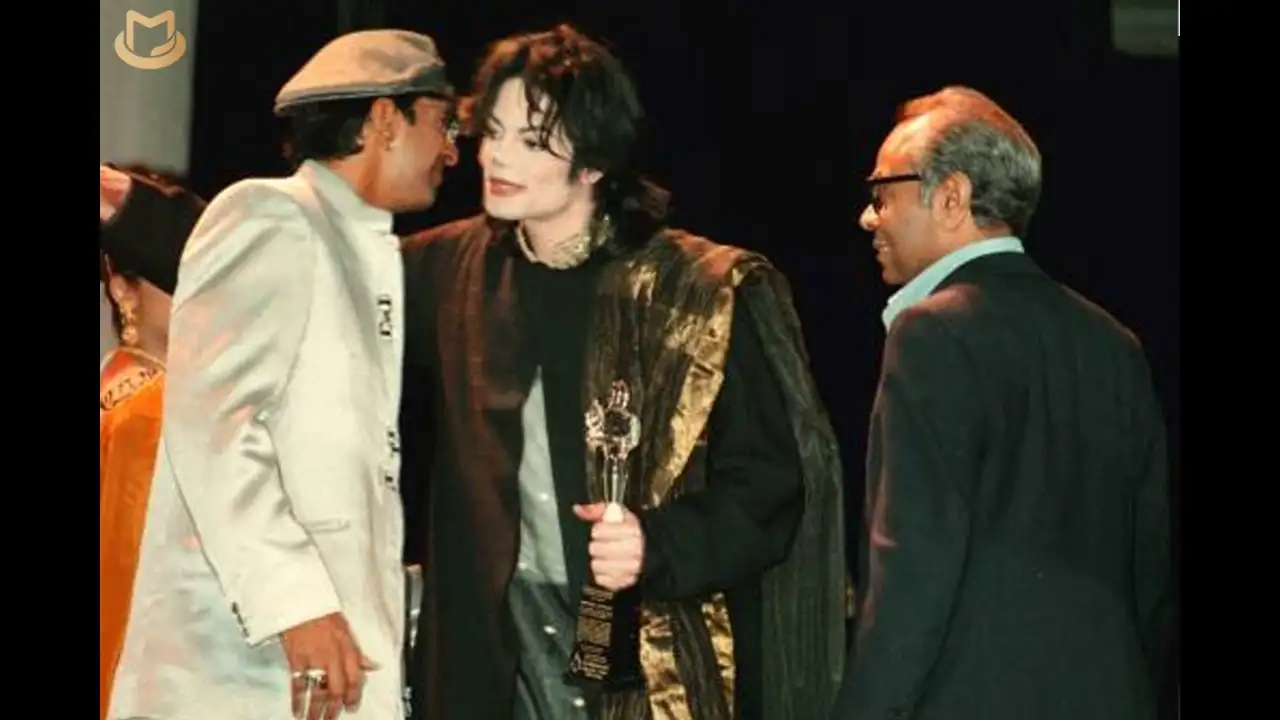
Because i was hosting, “By the time he left, I was on stage. Because everything is on record, “You don’t need to introduce MJ to the young. Jaaved introduced him, and by the time Michael was leaving, Jaaved was still on stage.
“If you look at internationally, across the world, people actually like Michael Jackson as a performer and a dancer,” he says. You give to your craft,” Jaaved says. “You could see that, the amount of rehearsal, the amount of thought process in just putting up a show, a stage show…” For him, the performer has a responsibility to give the audience more than the bare minimum. He remembers introducing MJ “in a very nice way”, before the two shared a hug. The internet has become such an amazing library of everything,” he says.
Jaaved places Michael within a longer history of performers who used movement on stage, pointing to artistes such as James Brown, Chuck Berry and Elvis Presley, while also acknowledging the influence of Fred Astaire and Gene Kelly. But Michael “took those influences and created something much larger. He adds, “He packaged himself as a performer. So when you’re going to watch a show, it’s not just singing. He put a whole audiovisual extravaganza along with a lot of movement and dance. It was whole packaged entertainment. That, for Jaaved Jaaferi, is where Michael Jackson really stood apart. “There were other performers before him, like Elvis, of course. But Michael Jackson took it to another scale. If there is one aspect of MJ’s work that Jaaved keeps returning to, it is the detailing. The big moments may be what audiences remember, but the Indian veteran performer is interested in the smaller decisions that make those moments work. He points to MJ’s use of props, locations and situations, and the influence of the classic musical films he had absorbed. There are echoes of West Side Story in the way Jackson constructed his performances. Jaaved observes, “You could see that in his videos and performances. And I think that for me was the strongest point, which I really liked is his approach. And it was the detailing — even in a single movement, the way he used music so inventively. The songs were hugely successful, but the videos and performances gave them another life. “The popularity of those songs have been enhanced to quite an extent by his videos and his performances. So it’s not just his singing, it is his performances to those songs, whatever videos he worked out. Jaaved even points to Madonna as one of the artists who later took a similar approach, creating elaborate performances built around costumes, dance and storytelling. But in his view, MJ was the pioneer. There was also another side to MJ that Jaaved recognises — the ideas and messages contained in his songs, whether around children, the environment or racial discrimination. But when asked what stayed with him personally, he comes back to the performance. MIchael Jackson’s thriller That connection is particularly relevant when looking at Jaaved Jaaferi’s own career. His journey has always involved more than simply performing a role. It is perhaps from that experience that his appreciation for Jackson’s preparation becomes clearer. “It is what you give. You don’t take it nonchalantly. I have to give. It should be…” He pauses, before explaining what that means to him. There is one memory that makes Jaaved’s connection with Michael particularly personal. After years of watching him on VHS and performing to his songs, he eventually found himself sharing a stage with him in New York. Jaaved was hosting an award function where Jackson was being honoured by an Indian organisation. Their actual interaction was brief. So we just had that brief moment where we exchanged comments. “And then there was a nice hug. And that’s it. And then he had to leave. Jaaved and MJ There was no extended conversation, no exchange of numbers and no opportunity for Jaaved to show Michael his own moves. But perhaps the brevity makes the memory even more vivid: the dancer who had grown up watching MJ through a VHS screen suddenly found himself introducing him on a stage in New York. For a new generation discovering Jackson through the internet rather than VHS tapes, Jaaved believes the access may be different, but the work remains there to be judged for itself.
“Because there are some people who may say, I’ll sit on a stool and sing a song.
“Even today’s kids, Gen Z, Gen Alpha, if they watch, they will, to some level, connect and appreciate what he has done. ” And perhaps that is what Jaaved Jaaferi’s memories of Michael Jackson ultimately come down to. “In India, we say, the attitude of the artist should be, ‘What am I giving back to my fans? They come to watch me sing. Am I just going to sit in my shorts and just sing a song? Or am I going to put up an act which will give them an extra something? Questioned Jaavd. That idea of going beyond what is expected may be the closest point of connection between Jaaved’s own philosophy and the MJ he admired. “How can I give my best? In what way can I give my best?” he asks. Fair enough. They’ve not done anything extra. They’ve just… they’ve not gone the extra mile. For Jaaved, that extra mile is ultimately for the audience “for the people who appreciate your work. Fashion changes. Dance changes. The way audiences consume music changes. But Jackson’s work remains available to anyone willing to look. “Michael Jackson has lasted quite a lot. Not simply the moonwalk or the songs, but the seriousness with which a performer approaches the audience standing in front of them. For Jaaferi, the lesson is simple: “Going the extra mile for your fans, for the people who appreciate your work. It is a philosophy he has carried through his own long and varied career. And one that, decades later, he still sees reflected in the work of Michael Jackson. Looking for trusted parenting advice? Follow TOI Parenting Circle on Instagram for expert guidance, relatable stories, and practical tips delivered every day.
If you look at his lifespan as an artist, I think even today, there’s a lot of appreciation for what he has done,” Jaaved says.