
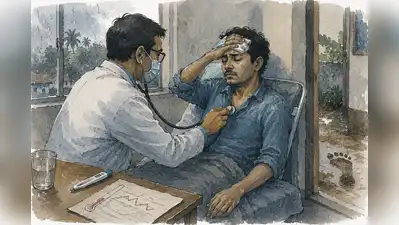
The district reported 35 deaths from communicable diseases in 59 days, against 29 deaths in 62 days last year
Leptospirosis accounted for 19 deaths, followed by H1N1, which caused seven deaths in Ernakulam during the 59-day period this year, according to the data. Most deaths due to communicable diseases are reported among people with comorbidities such as diabetes and severe cardiac illness. Deaths due to fever, probable West Nile virus infection, influenza A and B, hepatitis A, dengue and severe acute respiratory infection (SARI) accounted for the remaining fatalities.
Officials at the district medical office said comorbidities, delayed diagnosis and delayed treatment were the major factors contributing to the fatalities. We have already started containment measures,” said a senior official. Dr Rajeev Jayadevan, convener of the research cell of the Indian Medical Association (IMA), Kerala , said a significant number of people in the general population may have already been exposed to leptospirosis, experiencing either mild or no symptoms. This can lead to delayed diagnosis, with patients sometimes being sent home with medication for viral fever,” he said. He said timely diagnosis and treatment were essential to prevent fatalities as multiple communicable diseases emerge in the district.
Most of the deaths were caused by leptospirosis, a bacterial infection, followed by H1N1 influenza. “We have been conducting audits of each fatality. Delayed treatment following a delayed diagnosis is another factor contributing to fatalities in the district. “What we see in clinics or hospitals is only the tip of the iceberg. A large number of people experience mild or no symptoms from leptospirosis and may not seek medical care. Among those who visit a clinic with fever or body pain, some may not mention contact with wet soil, the main reservoir of leptospira bacteria. “Unlike viral fever, which often settles on its own, leptospirosis does not always resolve naturally. By the time the patient feels worse and returns to hospital, the bacteria may have spread to vital organs, causing serious damage. Starting antibiotics at this late stage may not always save the patient. However, if antibiotic treatment is started early, soon after the bacteria enters the body through the skin, there is a much better chance of recovery,” Dr Jayadevan added. H1N1, which spreads through the air, typically peaks during the monsoon.