
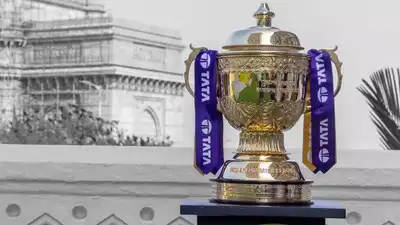
IPL Trophy (Photo Credit: BCCI/IPL)
Its seven-year deal for exclusive US distribution of NFL Sunday Ticket — worth a reported $2 billion a season — works both as a value-add for YouTube TV subscribers and as a standalone product sold through YouTube channels.
And that’s not healthy,” Shankar said. More recently, Netflix co-CEO Ted Sarandos told The Economic Times that the streaming giant was interested in live sport, including cricket, but had no intention of becoming a “conventional full-season sports broadcaster”. “At some point, the economics have to make sense,” Shankar says.
“Ten years ago, you would have multiple and serious media companies (around four) competing for major sports rights. You’d have four or more companies genuinely fighting for properties. YouTube increasingly treats sport not as a series of standalone rights acquisitions but as the anchor of a broader pay-TV and subscription ecosystem. If so, a property like the IPL sits squarely in Netflix’s territory. The storytelling potential of an India-first sports property speaks to a billion-plus domestic audience, a vast global diaspora, and to markets where cricket remains one of India’s most effective exports and a quiet instrument of soft power. For that to happen, the responsibility must lie with the federation itself to market what is, by any measure, a high-value product.
Today, increasingly, it feels as if we are the only ones standing.