
Because its changes are visible, technology tends to attract attention.
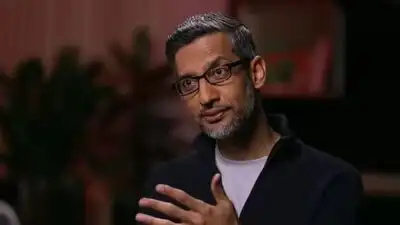
His observation, “I’m optimistic, not because I believe in technology but because I believe in people,” puts the emphasis somewhere unexpected. A new phone arrives, software gains another capability, or an unfamiliar tool suddenly becomes part of everyday work. The people behind those changes are easier to overlook. Engineers build the systems, companies decide how they are used and ordinary users determine whether those ideas actually become useful. Sundar Pichai has often spoken about technology in that wider human context. It is not the machines themselves that give him confidence, but it is the people who create, adapt to and make decisions about them.
Because a new piece of software arrives, clear communication, judgement, problem-solving, collaboration and understanding what another person actually needs do not disappear simply. A machine can process information. A piece of software can automate a task. Artificial intelligence can produce an answer in seconds. None of those abilities automatically tells us what problem should be solved, whether the answer is reliable or how the technology ought to be used. Specific technical skills can become outdated. Software changes. Companies introduce new systems. Tasks that once took hours may eventually take minutes. But some human abilities remain useful across those changes. Technology can create problems as well as solve them. Artificial intelligence can produce inaccurate information. Automation can disrupt established jobs. Digital services can raise questions about privacy and security. Believing in people leaves room for those difficulties. It means trusting that people can examine the consequences, identify weaknesses and make adjustments. Sometimes that might involve improving a product. At other times, it could mean introducing safeguards or deciding that a particular application is not appropriate.
Those abilities are less visible than the technology itself, but they remain part of the process. A person who understands a tool but cannot judge when to trust it is limited. So is someone with excellent judgement who refuses to understand the tools available to them. The two skills increasingly sit together. The quote has a practical side for anyone whose work is being affected by automation or artificial intelligence.