
PC: BBC
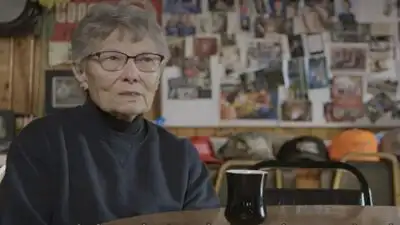
Elsie Eiler, 84, lives in a trailer beside the town’s small tavern, which she opens for customers who travel from miles away. Once home to about 150 people during its railway-era heyday, Monowi now depends on one resident to keep its name, lights and doors alive. During the 1930s, around 150 people lived there, with shops, restaurants, a school and even a prison. BBC reported, Eiler’s father’s funeral in 1960 was the last held in the town’s wooden church. The school closed in 1974. By 1980, only 18 people remained. When Rudy died in 2004, the population fell from two to one. Around $500 in annual taxes comes from Eiler herself, helping pay for the town’s three street lamps and its water supply. Many of the customers come from communities 20 or 30 miles away. People from Lincoln and Omaha, roughly 200 miles away, have also made the journey to visit her. The nearest family member lives about 90 miles away in Ponca, Nebraska, while others live much farther away, including in Arizona and the Netherlands.
Five miles from the South Dakota border, a dirt road winds through the Nebraska prairie towards a town that has almost vanished. Monowi still has its street signs, a few battered buildings and three lampposts, but there is only one person left to see them each morning. She pours the drinks, cooks the food and keeps the books. She is also Monowi’s mayor, clerk, treasurer and librarian. In a place where the old church stands empty and weeds have begun to swallow the remains of houses, Eiler’s routine has become an unusual thread connecting the town’s past with its present. Eiler’s unusual position came about gradually rather than through some sudden disappearance. Monowi had once been a small but active railway community. The railway brought movement through the town, while farming supported the families who lived nearby. The post office disappeared later in the decade, followed by the remaining grocery shops. By the middle of the 1970s, Eiler’s own children had left to find work elsewhere. Two decades later, just Eiler and Rudy were still living there. They continued working at the tavern together, even as the surrounding buildings emptied. That left Eiler with an extraordinary collection of civic responsibilities. Monowi is an incorporated place, meaning Eiler is not simply the last person living in an abandoned settlement. She remains responsible for the machinery of local government. Each year, she puts up a notice for the mayoral election at the tavern. Then she votes for herself. She also prepares the town’s municipal road plan so it can receive state funding. The arrangement becomes even more unusual when alcohol and tobacco licences are involved. Applications arrive at the village secretary’s office. Eiler is the secretary. She signs the documents in her capacity as clerk, then receives the licences as the owner of the tavern. She even keeps an eye on the vacant residential lots, just in case somebody decides to move in and increase Monowi’s population from one to two. For all the talk about Eiler living alone, the Monowi of her everyday life is not particularly empty. Her home is only a few steps from the tavern. At about nine each morning, except on Mondays when she takes the day off, she walks over and opens the doors. Some travel much farther. The tavern has become the kind of place that rural pubs and cafés often are: somewhere people exchange local news, mark family occasions and run into people they have known for years. Eiler keeps four guest books at the tavern, filled with signatures from people who have travelled from around the world. The attention was never something she had planned for. She simply happened to remain where she had always lived while the population around her dwindled away. The publicity brought attention to a part of Nebraska that might otherwise have remained largely unknown. There is also something slightly strange about the contrast. Monowi has almost disappeared as a residential community, yet the last person living there has made it a destination. Eiler has family elsewhere. She has two children, five grandchildren and two great-grandchildren. But leaving Monowi would also mean leaving behind the friendships, routines and familiar places that have accumulated over a lifetime. She has spent decades in the same landscape. The tavern connects her with people she has known since they were young, and Rudy’s books remain within reach. For Eiler, the argument for staying is not complicated. This is the place where she grew up, the place where she married, raised her children and worked beside her husband. As long as she is able to remain there, she wants to. Catch the latest World News and Live updates. Download the TOI app.
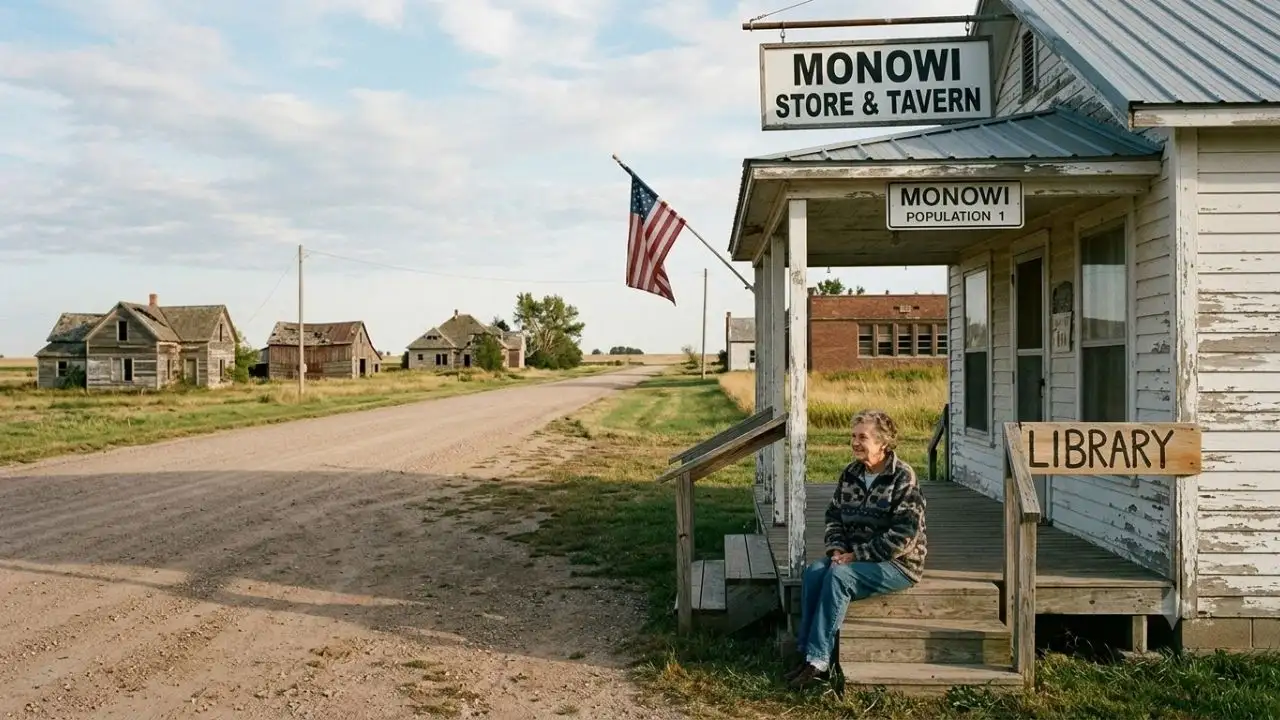
She and Rudy married when she was 19 and raised two children. They reopened it in 1971. He ordered a 320-square-foot building and packed his collection of around 5,000 books and magazines inside.
Rudy joined the US Air Force and served in France during the Korean War, according to the BBC. After Rudy’s death, Monowi overtook nearby Gross, Nebraska, which had two residents, and became the only incorporated town in the United States with a population of one, according to the Census information cited in the source. Eiler grew up close by, on a farm only a short walk from Monowi. Her connection to the place went back to childhood. She met Rudy, the man she would eventually marry, at the local one-room schoolhouse. They later travelled by bus to secondary school seven miles away, before their lives briefly took them in different directions. Eiler went to Kansas City, where she found work with an airline and hoped eventually to become a stewardess. The city did not suit her. Monowi was home, and she returned. Their connection with the tavern became another part of that long attachment to the town. Rudy suggested restoring an old bar that had once belonged to Eiler’s father. The changes were not unique to Monowi. Across the Great Plains, rural communities struggled as farming conditions deteriorated and local economies weakened after the Second World War. Families left, businesses closed and the services that once held small settlements together gradually vanished. Monowi followed that pattern piece by piece. Graduation announcements, baptism invitations and Christmas cards are pinned to the bulletin board. Sunday evenings bring a game of Euchre, with players sometimes travelling for an hour to take part. Eiler cooks burgers, hot dogs and gizzards while customers sit around the bar and catch up. Eiler has watched children grow up and eventually arrive with children of their own. That history gives the tavern a role that goes well beyond serving food and beer. So when people ask whether she feels lonely, her answer is simple. People are always arriving and leaving. Just beside Eiler’s home and the tavern stands another reminder of the life Monowi once had. It is Rudy’s Library, a modest shed created from his personal collection. Rudy had been an enthusiastic reader, and before his death he wanted his books to become available to other people. The family completed it afterwards. Eiler’s children wired the lights, nephews installed shelves and grandchildren painted the sign. The shelves contain everything from Goethe to old issues of National Geographic.
He died before the project was finished. Today, visitors can borrow books simply by taking the key from the tavern and using the library on an honour system.